In recent decades, dental implants have transformed from a specialized procedure into one of the most common and successful solutions for missing teeth. As technology continues to evolve, the future of dental implants looks brighter than ever—ushering in an era of faster healing times, longer-lasting materials, and even bioengineered tooth regeneration.
Whether you’re a dental professional or a patient exploring a natural-looking and functional tooth replacement, understanding the latest innovations in implant dentistry can help you appreciate just how far this field has come—and where it’s headed next.
A Brief Look at How Dental Implants Have Evolved
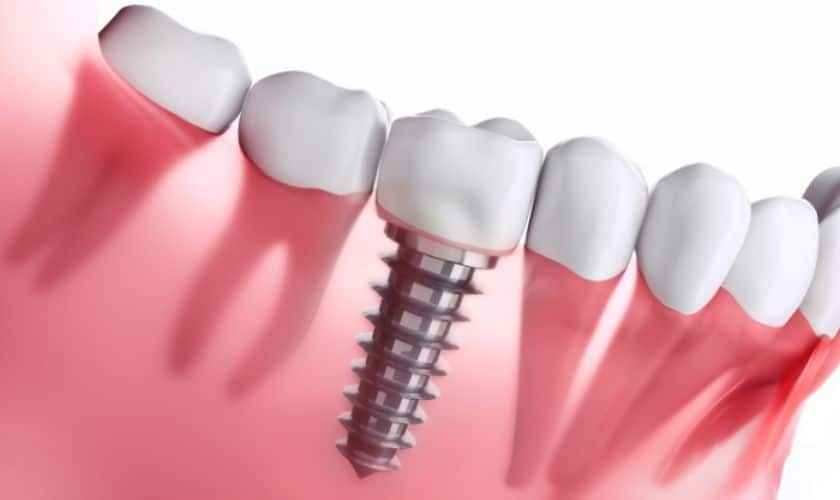
Traditionally, dental implants consisted of a titanium post surgically placed into the jawbone, topped with a crown that mimics the look and feel of a natural tooth. While this design remains the gold standard today, researchers and manufacturers have continuously refined implant systems to improve their biocompatibility, integration speed, and overall success rates.
Early implants often required several months of healing time before the final restoration could be placed. Today, thanks to advanced surface treatments, improved imaging, and guided surgery, patients can enjoy new teeth in a fraction of the time.
1. Next-Generation Materials: Stronger, Smarter, and More Biocompatible
One of the most exciting developments in modern implantology involves the materials used to make implants. Titanium remains popular due to its durability and ability to fuse with bone, but newer options are offering even greater benefits.
Zirconia Implants: The Metal-Free Alternative
Zirconia (zirconium dioxide) implants are becoming increasingly popular for patients seeking metal-free options. These ceramic implants offer exceptional strength, corrosion resistance, and natural aesthetics—making them an ideal choice for individuals with metal sensitivities or for use in the visible front teeth.
Beyond aesthetics, zirconia’s smooth surface reduces plaque accumulation, lowering the risk of peri-implantitis (inflammation around the implant). As research progresses, zirconia implants are poised to become a mainstream alternative to traditional titanium systems.
Nanotechnology: Enhancing Osseointegration
Nanotechnology is revolutionizing how implants bond with bone. By engineering implant surfaces at the nanoscale, scientists can encourage faster and stronger osseointegration—the process by which bone cells attach and grow around the implant.
Nano-coated implants improve cell adhesion and healing, allowing for shorter recovery times and more predictable outcomes. The result is a natural-looking and functional tooth replacement that feels indistinguishable from the real thing.
2. Digital Dentistry and Artificial Intelligence: Precision Like Never Before
The integration of digital technologies such as 3D imaging, AI-assisted planning, and computer-guided surgery has dramatically improved the precision and predictability of implant placement.
3D Imaging and Virtual Treatment Planning
Cone beam computed tomography (CBCT) allows dentists to create detailed 3D models of a patient’s mouth, jawbone, and surrounding structures. With this data, clinicians can virtually plan implant placement, ensuring the optimal position for both function and aesthetics.
This digital planning minimizes surgical errors and reduces chair time, improving patient comfort and surgical outcomes.
AI-Powered Diagnostics and Predictive Analytics
Artificial intelligence is making implant dentistry smarter. By analyzing large datasets of patient outcomes, AI can predict success rates, identify potential complications, and even recommend personalized treatment plans.
AI-guided workflows also streamline communication between dental professionals, labs, and manufacturers, ensuring every component fits perfectly.
3. 3D Printing and Customization: Tailoring Implants to the Individual
Additive manufacturing—or 3D printing—is rapidly changing how dental implants, abutments, and prosthetics are made. Instead of relying on one-size-fits-all components, 3D printing allows for fully customized implants that perfectly match a patient’s anatomy.
Custom-Fit Implants for Complex Cases
In cases of significant bone loss or unusual jaw shapes, 3D-printed implants can be designed to fit precisely into the patient’s bone structure. This not only enhances stability but also improves long-term success rates.
The ability to create patient-specific surgical guides, implant fixtures, and even bone graft scaffolds makes 3D printing one of the most transformative technologies in implant dentistry today.
4. Regenerative Dentistry: Growing the Future
Perhaps the most fascinating area of research involves regenerative dentistry—using stem cells and growth factors to regrow bone and even natural teeth. While still in early stages, breakthroughs in tissue engineering may soon make it possible to regenerate lost dental tissue, creating a truly biological replacement for missing teeth.
Stem Cell-Based Implants
Scientists are experimenting with combining stem cells and bioactive scaffolds to encourage natural bone and tissue growth around implants. These “biohybrid” systems could reduce the need for synthetic materials and make implants even more biocompatible.
In the long term, stem cell therapies may enable complete tooth regeneration—eliminating the need for artificial implants altogether.
5. Smart Dental Implants: The Next Frontier
Imagine an implant that not only replaces your missing tooth but also monitors your oral health. Smart implants, equipped with micro-sensors, are being developed to detect early signs of infection, monitor bite force, and even measure bone density around the implant.
These connected devices could send real-time data to your dentist, allowing for early intervention before problems become serious. With advances in wireless technology and biocompatible electronics, smart implants could soon redefine preventive dental care.
6. Minimally Invasive and Immediate-Load Techniques
Modern surgical protocols are focusing on reducing discomfort and shortening treatment times.
Flapless and Guided Surgery
Minimally invasive, flapless surgery—guided by 3D imaging—reduces trauma to the gum tissue, resulting in faster healing and less post-operative pain. When combined with digital planning, it offers unparalleled precision and comfort.
Immediate-Load Implants
Also known as “teeth in a day,” immediate-load implants allow for the placement of a temporary or permanent crown immediately after surgery. This approach eliminates the long waiting period traditionally associated with implant healing, providing instant aesthetics and function.
Patients can leave the dental office with a natural-looking and functional tooth replacement in just one appointment—making dental implant therapy more convenient and accessible than ever before.
The Future Is Personal, Digital, and Bioengineered
The future of dental implants is about more than just replacing teeth—it’s about restoring confidence, comfort, and quality of life through innovation. As materials, digital tools, and biological science converge, patients can look forward to more personalized, efficient, and sustainable implant solutions.
From nanotechnology-enhanced implants that heal faster to AI-driven treatment planning that improves precision, the next generation of dental implants will be smarter, stronger, and more lifelike than ever before.
Final Thoughts
As we move toward a new era of implant dentistry, the emphasis will continue to shift from mechanical replacement to biological integration and personalized care. Whether through 3D printing, regenerative medicine, or smart sensors, the goal remains the same: to provide patients with a natural-looking and functional tooth replacement that enhances both oral health and overall well-being.
The future of dental implants is not just about technology—it’s about transforming smiles and improving lives.