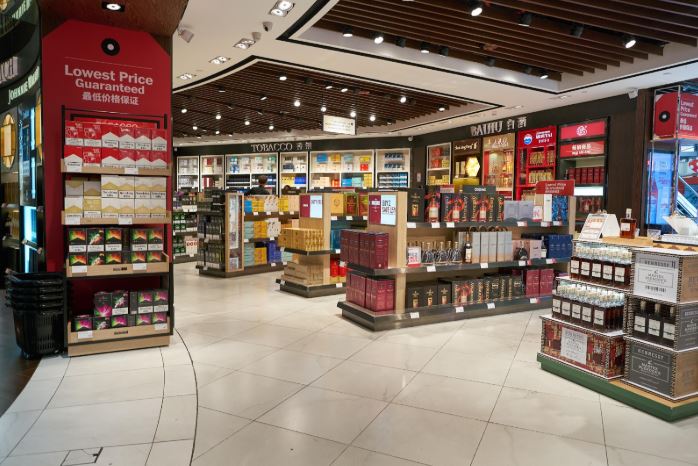
Opening a liquor store might seem straightforward. You get a space, stock some shelves, buy a license, and start ringing up cash, right? Not quite.
A surprising number of new liquor store owners get tripped up early on. From underestimating regulations to overloading shelves with the wrong inventory, these small mistakes can turn into major roadblocks. And the worst part? Most of them are avoidable.
If you are considering opening a liquor store or even just starting to research it, understanding where others went wrong is half the battle.
Licensing Takes Longer Than You Think
Alcohol licensing is not a “file it and forget it” situation. It is long, state-specific, and can get complicated fast.
Many people opening a liquor store assume they will have their paperwork approved in a few weeks. Some go as far as signing leases, placing product orders, or even announcing their grand opening before getting the green light. That is risky. Alcohol permits can take months, especially in states like California, New York, or Florida, where regulatory steps are layered.
Avoid this one by working backwards. Start with your state’s Alcohol Beverage Control board and budget time for hiccups because there will be at least one.
Location Can Make or Break You
Not every high-traffic area is liquor-store friendly. Some places might look perfect like a strip mall, parking out front, decent rent, but zoning regulations might block you. Proximity to schools, churches, or public institutions can automatically disqualify a location.
Others mistakenly prioritize rent savings over access. A liquor store buried in an industrial zone or tucked behind other buildings might struggle to attract walk-ins.
If you are opening a liquor store in a city you do not know well, get local advice. Work with a commercial land lender who has experience with alcohol retail. Make sure your spot is compliant and visible. Low rent is not much help if customers cannot find you.
The Inventory Trap: Too Much, Too Soon
Another mistake? Stocking based on personal taste rather than data.
You might love craet tequila or rare single malt scotch, but your neighborhood might want budget beer and boxed wine. When opening up a liquor store, the temptation to offer “everything” can backfire. Overloading shelves with items that do not move eats up working capital and clutters your store.
Start with a focused selection, such as what sells across most liquor stores: vodka, whiskey, rum, mainstream beer. Use distributor insights or industry reports to understand your local demand. Then scale up gradually. You do not need to look like a mega mart from day one.
Missing the Real Cost of Opening a Liquor Store
The upfront cost of opening a liquor store is not just about rent and product. That is only the surface. Realistically, you are also covering:
- Licensing and legal fees
- Insurance (including liability and liquor-specific policies)
- POS systems and payment processors
- Security systems and staff wages
- Monthly utilities and replenishment costs
Many underestimate these ongoing costs. They open too lean, without enough cash to survive slower months or emergencies. A flood, a break-in, or a supplier delay can wreck a store that is living month-to-month.
Before opening a liquor store, map out at least 6 to 12 months of expenses, not just launch costs. Budget like things will go wrong. Because eventually, they will.
Ignoring the Compliance Paper Trail
Liquor stores are subject to more inspections and audits than most retail operations. All of it matters, including health codes, age verification, signage regulations, and sales tracking.
If you are opening a liquor store and think the paperwork ends after the license shows up, think again. Staying compliant requires recordkeeping, training staff on ID checks, and keeping up with new laws. One overlooked rule or lazy clerk can cost you thousands in fines or worse, your license.
Conclusion
Opening a liquor store is a serious business move. The industry is regulated, competitive, and costly when approached without preparation.
And here is the thing: most failed liquor stores did not go down because of one major error. They were slowly worn down by small missteps; ones that could have been prevented.
So, if you are opening up a liquor store soon, take a moment. Step back. Review your plan. License timeline, location zoning, inventory strategy, and long-term costs. Each of these can quietly trip you up if you are not looking.
Better to catch it now than fix it later.