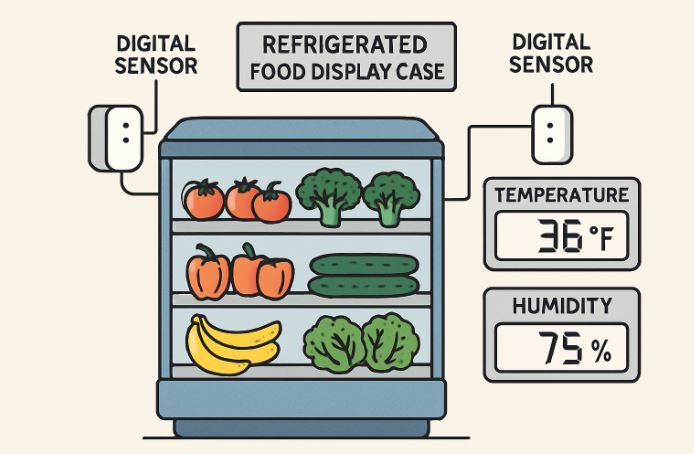
Ensuring food safety and freshness is crucial in food retail and service, where consumers demand transparency and high quality. Innovative food service display technologies, which utilize sensors, IoT, and data analytics, are now essential for monitoring conditions and minimizing spoilage and waste, thereby enhancing consumer confidence. These systems also enhance compliance and inventory management, while promoting sustainability through more informed consumption practices. Overall, such innovations are transforming food management and improving operational efficiency to meet changing consumer demands.
Benefits of Smart Food Displays
Enhanced Food Safety
Through the continual monitoring of parameters such as temperature, humidity, and gas composition, smart displays ensure food is stored at conditions that inhibit contamination and spoilage. Real-time alerts notify staff when there are deviations from safe storage conditions, enabling immediate intervention and reducing the risk to public health.
Reduced Food Waste
Access to live data enables businesses to quickly identify items approaching the end of their shelf life, allowing them to be prominently displayed or discounted. This approach curtails unnecessary food waste and maximizes profitability. Dynamic inventory management also means fewer expired products remain unsold or disposed of, benefitting both retailers and the environment.
Increased Consumer Trust
Consumers are more likely to purchase food products when they have assurance about freshness and safety. By providing transparent information—sometimes directly to the consumer via mobile apps or digital tags—innovative display systems promote brand loyalty, repeat business, and peace of mind during purchase decisions. Transparency and digital traceability have become industry imperatives in today’s market.
Technological Innovations in Smart Food Displays
Time-Temperature Indicators (TTIs) are essential visual tools that alert staff and consumers to temperature abuse and unsafe storage durations for perishables by changing color under adverse conditions. Modern display cases are equipped with gas sensors that detect spoilage-related gases, enabling early detection of problems to minimize foodborne illnesses. Additionally, the use of Radio Frequency Identification (RFID) and Near Field Communication (NFC) technologies enables advanced traceability of food products, thereby enhancing transparency throughout the supply chain from origin to sale.
Future Trends
Integration with IoT
The Internet of Things (IoT) will enable seamless data collection and sharing across the food supply network, automating interventions to maintain freshness and safety in real-time. This interconnected system will also enhance traceability and transparency, allowing stakeholders to monitor every stage of the supply chain with unprecedented accuracy.
AI and Predictive Analytics
Artificial intelligence and machine learning are already improving inventory forecasts, staffing, and shelf management. Predictive analytics will help optimize logistics, prevent stock-outs, and minimize losses with even greater precision. As these technologies evolve, they will enable proactive decision-making and adaptive systems that continuously learn from real-time data, thereby enhancing overall operational efficiency.
Sustainability and Eco-Friendly Materials
Sustainability is more critical than ever. Future smart display solutions will prioritize energy efficiency, use recyclable materials, and minimize their environmental footprint, aligning with global environmental goals outlined in the UN’s Sustainable Development Agenda. These innovations not only reduce waste and energy consumption but also demonstrate a commitment to corporate responsibility, helping to drive the industry toward a more eco-conscious and resilient future.
Conclusion
Smart food display solutions are revolutionizing how food is managed, stored, and sold. By leveraging technology to ensure safety, maintain freshness, reduce waste, and build consumer trust, they set a new industry standard. As innovation accelerates, businesses that adopt these intelligent systems will be best equipped to meet evolving consumer demands and regulatory requirements, while supporting a more sustainable future for food retail.