Understanding the Impact of Noise in Industrial Settings
Noise pollution is a significant concern in industrial environments, where excessive sound levels can compromise both health and productivity. Prolonged exposure to loud noises, such as those created by equipment and material handling carts, is linked to temporary or permanent hearing loss, increased stress, and reduced concentration. The Occupational Safety and Health Administration (OSHA) regularly highlights the hazards of chronic noise exposure, underscoring the need for proactive strategies that safeguard workers.
Adopting quieter tools and machinery, such as specialized wheels and casters, can drastically improve work environments. Selecting appropriate industrial casters reduces rolling noise—a common culprit for elevated decibel levels in warehouses, factories, and healthcare facilities—and contributes to a safer and more pleasant workplace.
Facilities with poorly managed noise conditions often experience higher rates of absenteeism, turnover, and accidents. By prioritizing sound reduction measures at the source—specifically with wheel and caster systems—businesses can comply with standards, reduce liability, and demonstrate a commitment to employees’ well-being.
Choosing the Right Wheel Material
The material of a wheel has a substantial influence on noise emissions. Harder wheel materials like steel or nylon transmit more vibrations into the floor, amplifying sound, especially on hard surfaces like concrete. In contrast, wheels made from softer materials—like thermoplastic rubber (TPR) or polyurethane—absorb vibrations and effectively suppress noise during movement. TPR wheels are particularly notable for offering quiet operation without sacrificing load-bearing capacity, making them ideal for facilities requiring low sound levels.
Different environments may dictate the optimal wheel material. For example, hospitals and libraries benefit from soft tread wheels, while factories with oil or chemical exposure may require compounds engineered for noise reduction and resistance to harsh substances.
Importance of High-Quality Bearings
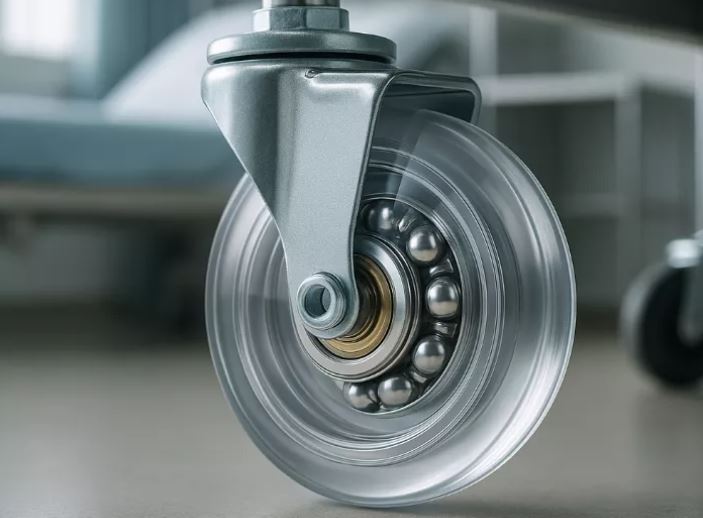
The bearings within caster assemblies determine how smoothly and quietly wheels can rotate. Precision-sealed bearings minimize unnecessary friction and prevent contamination from dirt, dust, and debris, allowing for whisper-quiet and long-lasting performance. Facilities that periodically lubricate and clean their bearings experience less rolling resistance and improved indoor air quality, contributing to a healthier indoor environment.
Routine bearing maintenance remains a leading best practice for reducing operational noise and extending the functional life of caster wheels. As highlighted by Industrial Safety Review, maintenance programs that include wheel inspection yield up to 40% fewer workplace interruptions and costly repairs over time.
Innovative Noise-Reducing Technologies
Modern advancements in caster design have enabled the creation of products specifically engineered for minimal noise. Suspension casters, for instance, feature built-in shock absorption that isolates vibrations and smooths out the transition over uneven surfaces, leading to a significant noise reduction. Many innovative casters utilize dual-layer treads or internal dampening systems to insulate noise further, helping businesses meet strict local noise ordinances.
Companies in high-sensitivity sectors—such as hospitals, research labs, and electronics manufacturing—increasingly turn to these proprietary solutions to ensure ambient noise stays within acceptable levels while maximizing operational flexibility.
Regular Maintenance Practices
Preventive maintenance cannot be overemphasized in any sound mitigation strategy. Consistently cleaning caster wheels to remove foreign materials, inspecting treads for wear, and checking for misalignments ensures smooth and silent operation. Applying the appropriate lubricant to bearings and axles also helps maintain a friction-free and quiet rotation.
Neglecting regular maintenance increases operational noise and shortens the lifespan of wheels and casters. A diligent inspection schedule enables facilities to proactively resolve issues before they escalate into expensive downtime or replacements. According to OSHA noise reduction guidelines, disciplined maintenance is key to consistently safe workplaces and effective noise control.
Considering Floor Conditions
The type and condition of facility floors significantly influence the noise generated by moving equipment. Hard, uneven, or damaged surfaces can amplify rolling and impact noise, even from wheels made of softer materials. Facility managers who utilize carpets, rubber mats, or protective coatings in high-traffic areas experience noticeable noise reduction, as these surfaces cushion movements and absorb vibrations at the source.
Floor maintenance, such as filling cracks and promptly addressing surface wear, further aids in diminishing operational noise and safeguarding both property and personnel.
Implementing Noise-Reduction Strategies
Effective long-term noise reduction depends on a multi-faceted approach:
- Choose wheels with rubber or soft polyurethane treads for environments where quiet operation is essential.
- Invest in sealed, high-precision bearings that resist contaminants and support silent rotation.
- Implement regular cleaning, inspection, and lubrication programs to prevent noise-causing issues.
- Utilize floor coverings and maintain surface integrity to minimize reverberation and vibration.
- Adopt advanced noise-reducing caster designs for highly sensitive settings or regulatory requirements.
Final Thoughts
Noisy wheels and casters can significantly affect industrial settings. Still, a commitment to proper material selection, high-quality components, routine maintenance, and modern noise-reducing technologies can dramatically improve working conditions. Reducing rolling noise protects health and morale and enhances the performance and longevity of valuable equipment. By applying these principles, businesses create a safer, more productive, and comfortable workplace.