When was the last time you checked if your weighing scale, pressure gauge, or temperature sensor was giving the right reading? If you’re like most people, you probably trust your equipment blindly—until something goes wrong. That’s where Kalibraatio (or calibration, in English) steps in.
Calibration isn’t just a fancy technical term. It’s the invisible guard that keeps industries running smoothly, safely, and profitably. Without it, your measurements can drift, errors creep in, and before you know it, quality, safety, and trust are all at risk.
In this article, we’ll walk through what Kalibraatio really means, why it matters across different industries, and how you can make calibration part of your company’s culture—not just a box you tick for compliance.
What Exactly is Kalibraatio?
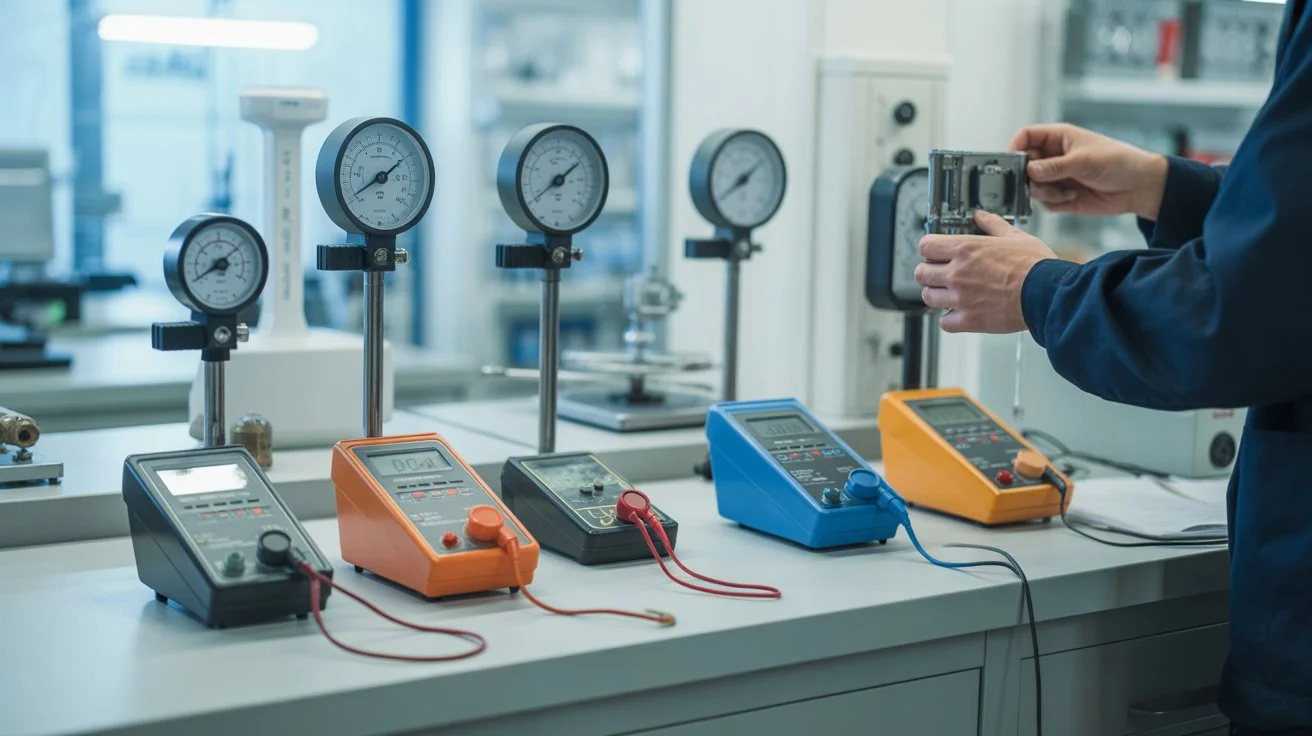
Kalibraatio is the process of comparing a measuring instrument (like a thermometer, scale, or gauge) against a reference standard that we trust to be accurate. If the instrument shows something different from the standard, we adjust it or record the difference.
Think of it like checking your watch against the official world clock. If your watch says 10:00 but the world clock says 10:05, you either reset your watch or remember it runs five minutes slow.
So in plain words:
-
Calibration = Trust check for your tools.
-
Goal = Make sure your measurements are correct, consistent, and reliable.
Why Should You Care About Kalibraatio?
You might be thinking, “Okay, calibration makes sense, but does it really matter that much?”
Here’s the truth: In today’s world, almost everything depends on accurate measurements. From the food you eat to the medicines you take, from the car you drive to the electricity powering your laptop—calibration is quietly making sure things work as they should.
Here’s why you should care:
-
Safety First – Wrong measurements can cause accidents, breakdowns, or even life-threatening situations.
-
Quality Assurance – Products that don’t meet precise standards end up rejected or recalled.
-
Cost Savings – Accurate tools reduce waste, rework, and downtime.
-
Legal & Compliance – Many industries must calibrate to meet international standards like ISO or regulatory laws.
-
Reputation – Consistent quality builds customer trust.
If you’re in any industry where precision matters (spoiler: that’s almost every industry), then Kalibraatio is your silent hero.
Everyday Examples of Kalibraatio at Work
Let’s make this real with a few simple scenarios:
-
At the gas station: Imagine if the pump wasn’t calibrated and you got 9 liters instead of 10 every time. Over months, that’s a lot of lost fuel (and money).
-
In the kitchen: Baking a cake? If your oven runs hotter than it says, you’ll end up with a burnt dessert instead of a fluffy treat.
-
In healthcare: What if a thermometer reads 37°C when the patient actually has 39°C? That small error could delay urgent treatment.
-
In construction: If a measuring tape or laser tool is off by even a few millimeters, a building’s structure could end up unstable.
See how small errors multiply into big problems? That’s why calibration isn’t optional—it’s essential.
How Does Kalibraatio Work?
The process itself is straightforward, though it can get highly technical depending on the equipment.
-
Select a Standard – Use a reference instrument known for accuracy (like a certified weight or a precision thermometer).
-
Compare Readings – Measure the same thing with both the instrument and the standard.
-
Identify Differences – Record the deviation (for example, your scale reads 100.2 kg while the standard says 100 kg).
-
Adjust if Needed – Some instruments can be fine-tuned to match the standard; others just get documented with an error margin.
-
Certify – A calibration certificate is issued, proving your instrument was checked and is trustworthy.
It’s like getting your car serviced—you want proof it’s been done right.
The Cost of Skipping Kalibraatio
Now, let’s flip the story. What happens if you don’t calibrate?
-
In manufacturing: You risk producing thousands of defective products before you even notice.
-
In healthcare: Wrong doses of medicine, misdiagnoses, or unsafe treatments.
-
In aviation: A poorly calibrated altimeter can be the difference between a safe landing and disaster.
-
In energy sectors: Power grids may overload or fail if sensors are inaccurate.
Skipping calibration might save time today, but the hidden costs tomorrow can be enormous.
Kalibraatio in Different Industries
Let’s break it down by field so you can see how deeply calibration affects modern life.
1. Manufacturing and Engineering
-
Ensures machines cut, shape, and assemble with exact precision.
-
Reduces waste and improves efficiency.
-
Keeps products within tolerance, avoiding recalls.
2. Healthcare and Pharmaceuticals
-
Guarantees patient monitors, X-ray machines, and infusion pumps are accurate.
-
Ensures medication dosage is correct during production.
-
Meets strict compliance standards from health authorities.
3. Food and Beverage
-
Temperature, weight, and volume measurements are critical for safety.
-
Ensures fair trade (you get the right weight of sugar, flour, or milk).
-
Prevents spoilage by keeping storage conditions in check.
4. Oil, Gas, and Energy
-
Accurate pressure gauges prevent accidents.
-
Flow meters ensure correct billing and fair trade.
-
Helps maintain safety in high-risk environments.
5. Aviation and Transportation
-
Aircraft instruments like altimeters and fuel gauges rely on calibration.
-
Vehicle emission testing depends on accurate tools.
-
Rail and shipping industries use calibration for navigation and safety.
6. Research and Development
-
Scientific experiments depend on reliable data.
-
Without calibration, research results can be invalid or misleading.
-
Innovation thrives only when the basics—measurements—are trustworthy.
How Often Should You Calibrate?
This is a question that pops up often: “Do I need to calibrate every week, month, or year?”
The answer depends on:
-
Industry standards – Some fields (like healthcare) require strict schedules.
-
Instrument type – High-precision tools often need more frequent checks.
-
Usage frequency – The more you use it, the faster it drifts.
-
Environmental factors – Heat, dust, vibration, and humidity can all affect accuracy.
A good rule of thumb: Calibrate at least once a year, unless your industry demands more frequent checks.
The Human Side of Kalibraatio
It’s easy to get lost in the technical talk, but at the end of the day, calibration is about trust.
-
Trust that your food is safe.
-
Trust that your doctor has the right tools.
-
Trust that your flight will land safely.
-
Trust that the products you make won’t fail your customers.
When you calibrate, you’re not just checking machines—you’re protecting people.
Common Myths About Kalibraatio
Let’s bust a few myths you might hear in the workplace:
-
“New instruments don’t need calibration.”
Wrong. Even new equipment can have slight errors from manufacturing or shipping. -
“We only need to calibrate when there’s a problem.”
By then, it’s too late—the damage is already done. -
“Calibration is just a paperwork exercise.”
Nope. The certificate is proof, but the real value is in accurate, reliable measurements. -
“It’s too expensive.”
Compared to accidents, recalls, or lawsuits, calibration is a bargain.
How to Build a Calibration Culture in Your Company
If you’re in charge of operations, maintenance, or quality, here’s how to make calibration part of the DNA of your workplace:
-
Set Clear Policies – Define how often and which tools need calibration.
-
Train Staff – Teach employees why calibration matters, not just how to do it.
-
Keep Records – Store calibration certificates and histories in an easy-to-access system.
-
Choose Reliable Partners – Work with accredited calibration labs you can trust.
-
Review Regularly – Update schedules and procedures as your industry evolves.
When calibration becomes a routine, you’ll see smoother operations and fewer surprises.
Future of Kalibraatio: Smarter and Digital
Technology is changing calibration too.
-
IoT sensors now self-check and alert you when calibration is due.
-
AI and machine learning can predict when instruments will drift out of range.
-
Cloud-based systems store calibration records for instant access anywhere.
The future looks like a world where calibration isn’t just reactive but predictive—saving even more time, money, and risk.
The Hidden Economics of Kalibraatio
Let’s talk about money for a moment—because let’s face it, every decision in business eventually comes down to the bottom line.
At first glance, calibration might seem like an extra expense. You send equipment to a lab, pay technicians, and get back a certificate. That’s money out, right? But here’s the bigger picture:
-
Reduced Waste and Scrap – In manufacturing, a tiny measurement error can ruin entire batches. Calibration keeps your production line tight and efficient.
-
Lower Maintenance Costs – Instruments that drift out of calibration often strain machines or trigger false alarms. Regular calibration prevents expensive breakdowns.
-
Fewer Product Recalls – Recalls don’t just cost money—they damage brand trust. A single major recall can wipe out years of goodwill.
-
Insurance and Legal Protection – If something goes wrong, having proper calibration records proves you took due diligence. That can protect you in court or with regulators.
So instead of asking, “How much does calibration cost?” maybe the real question is: “How much will it cost us if we don’t calibrate?”
Calibration vs. Verification – What’s the Difference?
This is a question that often confuses teams. Let’s clear it up once and for all.
-
Calibration = Comparing your instrument with a trusted standard and adjusting it if necessary.
-
Verification = Checking if your instrument is still within acceptable limits, without necessarily adjusting it.
Think of it like this: If you’re cooking pasta, calibration is making sure your stove’s heat dial is correct, while verification is just checking that the pasta boiled at the expected time.
Both are important, but calibration is the deeper, more rigorous process that ensures long-term accuracy.
Real-Life Stories That Prove Calibration Matters
Sometimes, the best way to understand importance is through real-world stories.
The Mars Climate Orbiter Disaster (1999)
NASA lost a $327 million spacecraft because one team used metric units while another used imperial. If instruments and calculations had been consistently calibrated and verified, the mistake might have been caught.
The Underfilled Cereal Boxes
A food company once faced legal trouble because customers complained about cereal boxes being underfilled. The weighing machines weren’t calibrated properly, and that tiny error across millions of boxes led to lawsuits and fines.
Hospital Infusion Pump Incident
In a hospital, an infusion pump delivered too much medication because it hadn’t been calibrated. Thankfully, staff caught the issue before harm occurred, but it was a wake-up call that lives truly depend on accurate equipment.
These examples show that calibration isn’t just about numbers on a page—it can mean the difference between success and disaster.
Signs Your Equipment Needs Calibration
Sometimes instruments tell you they’re drifting. Look out for these warning signs:
-
Readings don’t match known references (like a kitchen scale showing different weights for the same item).
-
Inconsistent results when repeating the same measurement.
-
Tools damaged from drops, shocks, or harsh environments.
-
Equipment exposed to temperature changes, dust, or moisture.
-
Instruments not checked in over a year.
If any of these sound familiar, it’s time to schedule calibration.
Choosing the Right Calibration Partner
Not all calibration labs or service providers are equal. Here’s what to look for:
-
Accreditation – Make sure they’re certified by recognized bodies (like ISO/IEC 17025).
-
Experience – Do they understand your specific industry and equipment?
-
Turnaround Time – Delays mean downtime. Choose a provider that balances speed with accuracy.
-
Clear Certificates – A proper calibration certificate should include uncertainties, traceability, and results you can trust.
-
Customer Support – You want a partner who can answer questions, not just hand over paperwork.
Think of it as choosing a doctor for your instruments—you want someone with skill, trust, and experience.
Digital Transformation in Kalibraatio
Industries are moving toward smarter, digital calibration solutions, and it’s exciting to see.
-
Smart Sensors: Devices can self-diagnose and alert you when they drift.
-
Automated Calibration: Robots and software handle routine checks, reducing human error.
-
Cloud Records: No more hunting for certificates in dusty binders—data is stored securely online.
-
Predictive Calibration: AI analyzes usage patterns and predicts when calibration will be needed, preventing downtime.
If your company hasn’t explored digital calibration systems yet, now’s the time. The shift saves both time and resources.
Building Trust with Customers Through Calibration
Let’s not forget the human side of business. Customers today are more aware and more demanding. They want transparency and proof that they’re getting what they paid for.
When you show calibration certificates, use standardized processes, and invest in accuracy, you’re not just following rules—you’re building trust. And in business, trust is currency.
-
A pharmaceutical company earns trust by proving every pill has the right dosage.
-
An energy supplier earns trust by billing fairly through calibrated meters.
-
A food producer earns trust by delivering consistent quality with every batch.
Trust keeps customers coming back. And calibration is one of the most underrated ways to build it.
Final Takeaway
At first glance, Kalibraatio might look like a dull technical task, but in reality, it’s the backbone of accuracy, safety, and trust across every industry.
Without calibration, you risk errors, wasted resources, safety hazards, and damaged reputations. With it, you gain confidence, compliance, and customer trust.