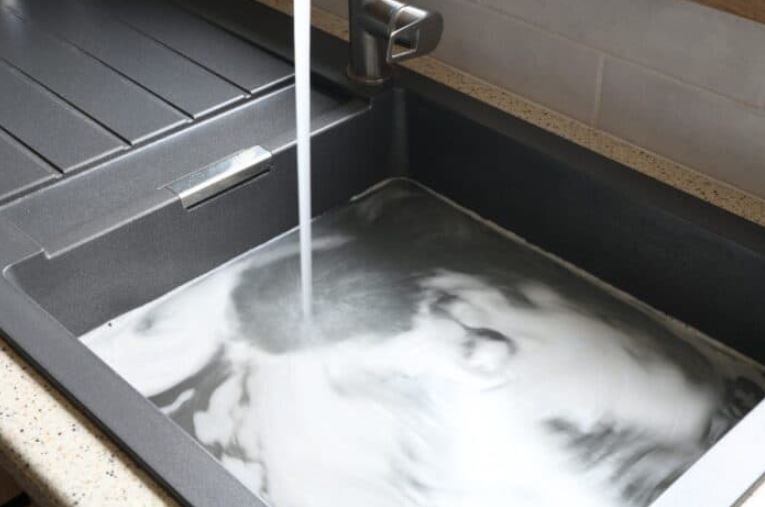
No matter what, once you have finished cleaning up after a nice meal and pulled the plug, you see murky water sitting there swirling lazily, refusing to go down. Or the gurgling is slow and hollow, teasing a big problem somewhere deep in the pipes. It is more than just a nuisance; the clogged drain can literally shut down your kitchen and leave you feeling helpless.
That problematic clog is mostly never random, resulting from day-to-day habits, hidden plumbing problems, and sometimes even the design of your kitchen. Let’s pull back the curtain and explore the real reasons your kitchen drain keeps giving you trouble.
The Usual Suspects: Everyday Habits Causing Chaos
Some plumbing catastrophe is a blockage/drain problem caused by the slow and steady buildup of matter that should never have gone down the sink in the first place. Imagine your drainpipe as a narrow streetscape road. One car standing illegally will hardly ever cause an obstruction, but slowly coming to one hundred such instances will build a jam that is unpassable.
- Grease: The single biggest villain is grease: cooking oils, animal fats from meat, butter, thick salad dressings, to name a few. It seems harmless to send warm grease down the drain, but once in the cold sustenance of the pipes, a tough greasy wax ballast will be deposited on the inside of the plumbing. This “plumbing cholesterol” acts like flypaper to catch on dust and every particle floating about in its path.
- Fine Objects: Next on the list are fine objects. Many people tend to think of their garbage disposal as being capable of disposing of anything. Coffee grounds, for instance, do not dissolve in water and, thus, clump together, sometimes forming a dense, sludgy mess. Fibrous vegetables – especially stuff like celery stalks or potato peels – may wind themselves around the disposal blades, and minuscule eggshell particles can oppose a threatening build-up initiated by grease. Scraping plates thoroughly into the trash rather than rinsing them off is the best habit to develop against this kind of buildup.
- Soaps and Detergents: To make matters worse, some thick soaps and detergents themselves also contribute, building soap scum atop the blocking layers.
Beyond the Obvious: When the Problem Lies Deeper
Sometimes, no matter what you do, those clogs just seem to come back again and again. So, when this happens in the drainage system, the classic way to get the plumber to address the complaint is to point fingers at what went down the drain and not at the drain itself. Still, the drainage system inside your cabinet and within the walls is much more complex, and the underlying issues make it quite susceptible to blockages.
Designed to retain water and prevent sewage gases from coming into your house, the P-trap, that U-shaped pipe right under your sink, being turned around into a heavy-laden debris and grease trap, is the perfect recipe for sediment accumulation. This accumulation may eventually clog and resist all home remedies. This is where the older homes get their share of problems from. Cast iron or galvanised steel pipes tend to corrode inwardly, laying out a rough and uneven surface that offers great resistance and catches debris fairly easily.
If you have used multiple drain cleaner brands and still find yourself dealing with a slow-draining drain by the week, it clearly marks the problem that cannot be solved with a quick DIY effort. A clog that recurs can mean a huge blockage way down the main drainage line. Pouring chemicals down in such cases will be more harmful to the pipes than beneficial. This is exactly when you need professionals. Blocked drains services teams are armed with the right tools for diagnosis – cameras that view into the pipes so they can see what is going on inside and equipment to safely and effectively clear the blockage.
The Proactive Approach: Prevention Is Power
Just as the proverb says, “An ounce of prevention is worth a pound of cure.” The world could not have emphasised this more in relation to kitchen plumbing. Instead of choosing to handle a clog once it forms, it pays to keep a few good drain maintenance habits under your belt.
Begin with being conscious of what goes down the sink. Investing in a good mesh drain strainer is a worthy option, as it prevents food particles from entering the drain. Also, never pour fats or oils down the drain; instead, pour them into a disposable container and, after cooling, into the trash bin.
The practice of regular cleaning will go a long way. To keep any scents or soiling from setting in, the drain needs to be frequently flushed with boiling water to help melt fresh grease. Once or twice a month, a treatment with baking soda and vinegar will serve to dissolve the minor accumulations and neutralise odours in the pipes.
Preventative care goes deeper than the drain itself. The surrounding area of the sink is a hotbed for grease splatter and food crumbs. Keeping countertops, backsplashes, and precinct floors immaculate is where this grime gets washed into the sink from. This is where big players like vacuum steam cleaners make their entry. It uses a high-temperature steam system to break down grease and sterilise surfaces free of any harsh chemicals; in other words, keep your entire kitchen environment working against the formation of clogs and not for it.
The Bigger Picture: How Your Kitchen’s Design Matters
In any case, if plumbing issues continue to emerge, the cause for concern should begin to rise concerning the overall kitchen design itself. Kitchen function and long-term performance are largely dependent on the quality of the material used and the layout design. An older kitchen could have a single, shallow sink, easily overwhelmed, or perhaps a low-powered old garbage disposal that encourages clogs rather than preventing them.
The common kitchen, which balances aesthetics with a good layout, can usually prevent this kind of problem altogether. For example, yeah, a deep single-basin sink in a non-porous material can be kept cleaner, whereas a high-torque garbage disposal can crush food waste better. The position of the dishwasher in relation to the sink, coupled with the path the plumbing takes, has a bearing on how well it drains.
This holistic consideration is paramount for a modern luxury kitchen, wherein all facets are to be engineered in favour of user experiences. It is not only about countertops and sleek cabinets; it is about a space that does their work for them. Plumbing fixtures of the very highest quality should be specified, pipes should be graded correctly for good flow, and layouts must be straightforward and easy to maintain. A good kitchen layout fosters good cleaning habits and uses materials that are less susceptible to being a contributory factor to recurring clogs.