Mowing is not merely a chore; it is a fundamental aspect of lawn care that significantly influences the health and appearance of your grass. Proper mowing techniques can enhance the aesthetic appeal of your lawn while promoting robust growth and resilience against pests and diseases. When executed correctly, mowing encourages the grass to grow thicker and denser, which in turn helps to crowd out weeds.
This is particularly important in maintaining a lush, green lawn that can withstand the rigors of changing weather conditions and foot traffic. Moreover, the way you mow can affect the overall health of your lawn. For instance, mowing too low can stress the grass, making it more susceptible to drought and disease.
Conversely, mowing at the right height allows for optimal photosynthesis, as the grass blades can effectively capture sunlight. Additionally, proper mowing techniques can help in managing thatch buildup, which is a layer of dead grass and organic matter that can suffocate the lawn if it becomes too thick. By understanding and implementing effective mowing practices, homeowners can ensure their lawns remain vibrant and healthy throughout the growing season.
Choosing the Right Mowing Equipment
Selecting the appropriate mowing equipment is crucial for achieving a well-manicured lawn. The type of mower you choose can significantly impact the quality of your cut and the overall health of your grass. For smaller yards, a push mower may suffice, providing a close cut while allowing for greater maneuverability in tight spaces.
On the other hand, larger properties may benefit from riding mowers or zero-turn mowers, which can cover more ground quickly and efficiently. Each type of mower has its advantages and disadvantages, so it’s essential to consider the size of your lawn, your budget, and your physical capabilities when making a choice. Speak to someone at a Gympie turf supplies or lawnmower store for details. In addition to the type of mower, other factors such as blade sharpness and mower maintenance play a vital role in achieving an optimal cut.
Dull blades can tear grass rather than cut it cleanly, leading to ragged edges that make the lawn more susceptible to disease. Regularly sharpening blades and ensuring that your mower is in good working condition will not only improve the quality of your cut but also extend the life of your equipment. Furthermore, investing in features such as mulching capabilities or bagging options can enhance your mowing experience by allowing for better grass management and nutrient recycling.
Understanding the Ideal Mowing Height
The ideal mowing height varies depending on the type of grass you have in your lawn. Different grass species have different growth habits and tolerances to cutting heights. For example, cool-season grasses like Kentucky bluegrass thrive when mowed to a height of 2.5 to 3.5 inches, while warm-season grasses such as Bermuda grass prefer a slightly lower height of 1 to 2 inches.
Understanding these specific requirements is essential for promoting healthy growth and preventing stress on your lawn. Mowing at the correct height not only supports healthy grass growth but also helps in moisture retention and weed suppression. Taller grass blades provide shade to the soil, reducing evaporation and keeping it cooler during hot weather.
This is particularly important during summer months when water conservation becomes critical. Additionally, maintaining an appropriate height allows for better root development, as deeper roots can access nutrients and water more effectively. Therefore, knowing your grass type and adhering to its ideal mowing height is fundamental for achieving a thriving lawn.
Tips for Achieving a Striped Lawn
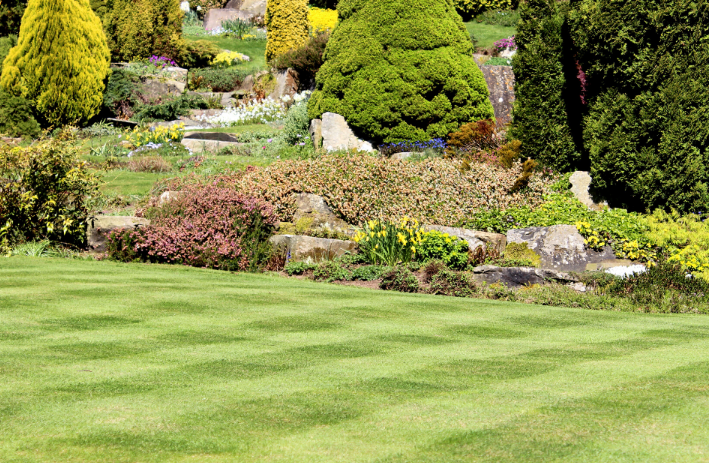
Achieving a striped lawn is often seen as a hallmark of professional landscaping and can be accomplished with some simple techniques. The key to creating those coveted stripes lies in the direction you mow. By alternating your mowing direction each time you cut the grass—mowing north-south one week and east-west the next—you can create contrasting light and dark shades that give the appearance of stripes.
This technique works because bending the grass blades in different directions reflects light differently, enhancing the visual effect. Another method to enhance striping is to use a roller attachment on your mower or a separate lawn roller after mowing. This tool flattens the grass blades in one direction, further accentuating the striped effect.
It’s important to ensure that you do not mow too low when attempting this technique; maintaining an appropriate height will help keep the grass healthy while allowing for better visibility of the stripes. Additionally, regular mowing at consistent intervals will help maintain this aesthetic over time, ensuring that your lawn remains a stunning focal point in your landscape.
Dealing with Different Types of Grass
Different types of grass require tailored care strategies to thrive, making it essential for homeowners to understand their specific needs. Cool-season grasses such as fescue and ryegrass flourish in northern climates where temperatures are moderate. These grasses typically grow best during spring and fall when temperatures are cooler, requiring different mowing schedules compared to warm-season grasses like zoysia or Bermuda that thrive in hotter southern climates.
Understanding these differences allows homeowners to adjust their mowing frequency and height accordingly. Moreover, each grass type has unique tolerances to drought, shade, and foot traffic. For instance, fescue is known for its shade tolerance but may struggle under heavy foot traffic unless properly maintained.
Conversely, Bermuda grass is highly drought-resistant but may require more frequent mowing during its peak growing season. By recognizing these characteristics, homeowners can implement specific care routines that cater to their lawn’s unique composition, ensuring optimal health and appearance throughout the year.
Proper Maintenance of Mowing Equipment
Maintaining your mowing equipment after buying a lawn mower is essential for ensuring its longevity and performance. Regular maintenance tasks include cleaning the mower after each use to prevent grass buildup that can lead to rust and corrosion. Additionally, checking oil levels and changing oil regularly will keep the engine running smoothly.
Spark plugs should also be inspected periodically; replacing them when necessary can improve starting efficiency and overall performance. Blade maintenance is particularly crucial for achieving a clean cut. Dull blades should be sharpened at least once per season or more frequently if you mow often or tackle tough grasses.
A sharp blade cuts cleanly through grass rather than tearing it, which reduces stress on the plant and minimizes susceptibility to disease. Furthermore, checking tire pressure on riding mowers ensures even cutting heights across your lawn, preventing scalping or uneven patches that detract from its appearance.
Techniques for Edging and Trimming
Edging and trimming are vital components of lawn care that enhance the overall appearance of your yard by providing clean lines along sidewalks, driveways, and flower beds. Using an edger or string trimmer allows you to create defined borders that separate your lawn from other landscaping elements. This not only improves aesthetics but also prevents grass from encroaching into flower beds or pathways.
When edging, it’s important to maintain a consistent depth along the entire border to achieve a uniform look. A good rule of thumb is to edge about 1-2 inches deep into the soil along hard surfaces while ensuring that you do not damage any underground utilities or irrigation systems. Trimming should be done after mowing to tidy up any areas that may have been missed by the mower; this includes around trees, fences, and garden beds where traditional mowers may struggle to reach.
By incorporating these techniques into your lawn care routine, you can elevate your yard’s visual appeal significantly.
Troubleshooting Common Mowing Problems
Even with proper techniques and equipment maintenance, various issues can arise during mowing that may hinder performance or affect lawn health. One common problem is uneven cutting, which can result from dull blades or improper tire pressure on riding mowers. If you notice patches of grass that are cut shorter than others, it’s essential to check both blade sharpness and tire inflation levels before proceeding with further mowing.
Another frequent issue is clumping or excessive grass clippings left behind after mowing. This can occur when cutting wet grass or when using a dull blade that tears rather than cuts cleanly. To mitigate this problem, it’s advisable to mow when grass is dry and ensure blades are sharp for optimal performance.
If clumping persists, consider using a mulching mower or adjusting your mowing pattern to allow for better airflow through the deck. By addressing these common problems promptly, you can maintain both the health of your lawn and the efficiency of your mowing routine.