How to Blend Your Open Kitchen with the Living Room Seamlessly

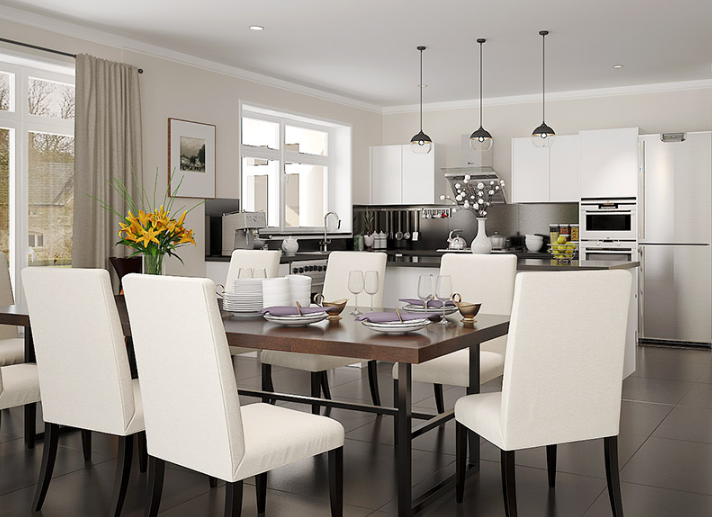
The concept of blending kitchen and living spaces has transformed modern home design. A well-executed open plan creates a fluid, harmonious environment that enhances both functionality and aesthetic appeal. The sophisticated combination of these two vital areas requires thoughtful planning and strategic design choices.
Creating Visual Continuity
Visual continuity serves as the foundation for any successful open kitchen-living room design. Is achieving this sense of flow actually as complex as it seems? The secret lies in consistent color palettes and complementary materials across both spaces.
In my experience, selecting a primary color scheme that transitions naturally between zones creates an instant connection. A neutral backdrop of whites, grays, or warm wood tones allows for versatile styling while maintaining cohesion. OPPEIN, a leading cabinetry manufacturer, exemplifies this approach with their contemporary kitchen collections that seamlessly extend into living areas through coordinated finishes and materials.
The flooring choice significantly impacts visual flow. Using identical flooring throughout creates a unified foundation, though strategic material transitions can also define separate functional zones while maintaining harmony. According to OPPEIN’s 2025 kitchen design trends report, “In open concept designs, the use of different flooring materials or patterns to delineate spaces is becoming more common. For example, the kitchen area might feature durable tile flooring, while the adjacent dining or living area transitions to hardwood, creating a visual separation between zones.”
Architectural Elements That Connect
Architectural consistency forms the backbone of a cohesive open layout. Consider ceiling treatments that unify the space—continuous coffered ceilings or consistent lighting fixtures create a natural connection between cooking and living areas.
One innovative solution gaining popularity is the “broken plan” layout. This approach maintains the spacious feel of open concept while using subtle dividers like half-walls, glass partitions, or strategic furniture placement to create separate areas. According to OPPEIN, this allows “for a sense of openness while still defining specific zones for cooking, dining, and socializing.”
Premium Italian kitchen brands have pioneered the use of architectural elements like floating shelves and open cabinetry that extend from kitchen to living areas, creating visual through lines. These elements serve dual purposes—providing storage while acting as design features that unify the space.
The Island: A Transitional Centerpiece
The kitchen island serves as perhaps the most crucial transitional element in open layouts. This multifunctional feature bridges the kitchen and living spaces, functioning as both workspace and social hub.
Case studies show that oversized islands with varied heights accommodate different activities simultaneously. The trend toward “supersized islands” allows homeowners to create distinct zones for cooking, dining, working, and socializing. These expansive structures often incorporate contrasting materials or colors to create a focal point while complementing both kitchen and living areas.
A real-world example comes from a project featured in Architectural Digest’s January 2024 issue, where designer Sarah Richardson created a dramatic kitchen-living space for a Toronto family. The expansive marble-topped island included a lowered wood section that served as a dining table, visually connecting to the living room’s wooden coffee table while maintaining material harmony with the kitchen’s stone countertops.
Lighting Strategies for Unified Spaces
Lighting plays a transformative role in blending open spaces. A thoughtful lighting plan includes ambient, task, and accent lighting that creates both cohesion and distinction between areas.
Pendant lights over islands or dining tables, recessed lighting in work areas, and ambient lighting in seating zones help establish distinct atmospheres within the larger space. These lighting zones should feel independent yet complementary, creating a harmonious flow as you move through the area.
Smart lighting systems allow for customizable settings that transition smoothly between kitchen and living functions. The ability to adjust brightness and tone throughout the day enhances both the functionality and ambiance of the combined space.
Aesthetic Harmony Through Materials
Material selection creates the most immediate visual connection between kitchen and living areas. Contemporary design trends favor a cohesive material palette with strategic contrasts that define each zone while maintaining overall harmony.
The luxurious kitchens designed by OPPEIN demonstrate how material continuity creates a seamless transition. Their collections often feature cabinetry finishes that coordinate with living room built-ins, creating a sophisticated flow between spaces. According to their latest design guide, “What separates ordinary kitchens from truly luxurious ones often comes down to material selection. High-end kitchens feature materials chosen not just for their beauty, but for their performance and longevity.”
Incorporating natural elements like stone and wood across both spaces creates organic connections. A stone backsplash in the kitchen might complement a similar material on the living room fireplace, while wooden kitchen accents echo living room furniture tones.
Functional Zoning Within Open Spaces
While visual continuity is essential, functional zoning ensures each area serves its purpose effectively. The kitchen work triangle should remain efficient without intruding on living space comfort.
Emerging kitchen design trends address this balance through innovative solutions like secondary prep spaces or “dirty kitchens.” These additional areas allow the main kitchen to remain pristine for entertaining while messy prep work happens behind the scenes. This approach preserves the aesthetic appeal of the open concept while enhancing functionality.
In my experience, adding a sense of enclosure through architectural elements like partial walls, glass partitions, or even a change in ceiling height helps define zones without sacrificing openness. These subtle boundaries create psychological separation while maintaining visual connection.
Color Psychology for Connected Spaces
Color selection significantly impacts how we perceive space boundaries. A strategic color approach can both unify and define different functional areas.
Using a consistent base color throughout creates immediate cohesion, while accent colors can subtly differentiate zones. The kitchen might feature stronger color statements through backsplashes or island cabinetry, while the living area echoes these tones in more subdued ways through textiles and accessories.
Have you considered how color temperature affects the energy flow between spaces? Warmer tones in living areas create a sense of comfort and relaxation, while slightly cooler or brighter tones in the kitchen enhance alertness for task-oriented activities.
The Future of Connected Living
The debate between open concept and traditional layouts continues to evolve. Recent trends suggest a hybrid approach that balances connectivity with purposeful division. According to a 2023 report by Houzz, 78% of homeowners undergoing major renovations prefer some form of open-concept living, but with more thoughtful zoning than the completely open spaces popular in previous decades.
As our homes increasingly serve multiple functions, flexible designs that can adapt to changing needs become increasingly valuable. OPPEIN’s innovative cabinetry systems exemplify this adaptability, with modular components that can be reconfigured as needs change.
The art of blending kitchen and living spaces ultimately comes down to thoughtful planning that honors both connection and separation. When executed with intention, these seamlessly blended spaces enhance not just the aesthetic appeal of our homes, but the quality of our daily living experience.