Why Horse Camps Inspire Lifelong Skills in Kids

How Horse Camps Shape Young Minds
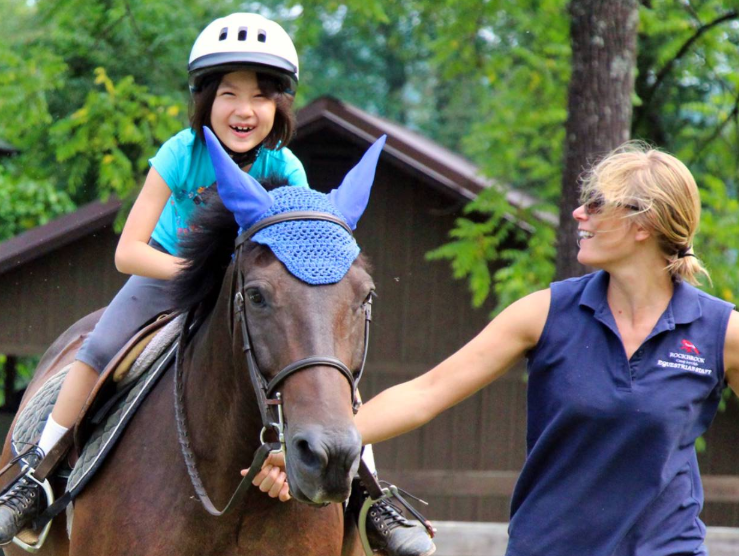
Horse camps aren’t just an exciting escape from school—they’re a perfect setting for growth. When kids arrive, they leave behind phones and screens in favor of the sights, sounds, and responsibilities of camp. Caring for animals, trying new things, and connecting with nature and peers reveal hidden skills and build real self-belief. For those seeking real-world learning, training boarding Lee’s Summit, MO offers a hands-on way to spark personal development and encourage healthy risk-taking.
The first experience of brushing a horse or leading it from the paddock can turn anxiety into pride. Day by day, campers become more independent, more comfortable outside their comfort zone, and more willing to challenge themselves—all cornerstones of growth that stick long after the last day of camp.
Building Confidence and Resilience
Confidence is earned at horse camp. Meeting and handling large animals can feel daunting, but most kids warm up quickly with patient instructors and safety. Even small progress—learning the difference between a curry comb and a hoof pick—teaches that ability grows with practice. Challenges, like learning to ride or getting a horse to cooperate, nurture resilience as campers learn that setbacks are just part of the journey. They leave knowing they can face new things and handle them with grit and optimism.
The Social Perks: Making Friends and Working as a Team
Horse camps are designed around group activities, teamwork, and shared successes. Whether cleaning stalls or tackling an obstacle course, campers learn collaboration and communication. Bonds are built quickly through laughter, encouragement, and mutual goals. Kids who might be anxious about social situations back home often find confidence in the camp environment, and friendships around the barn or campfire are frequently long-lasting.
Empathy and Connection Through Animal Care
Children at camp develop real empathy through daily animal care. Observing a horse’s mood and caring for its needs tunes children into non-verbal signals and teaches gentle patience. This compassion can ripple out to their dealings with people as well. Studies noted by the American Psychological Association show that animal interactions help boost emotional intelligence and coping abilities for kids of many ages.
Leadership and Responsibility in Practice
Camps give children real jobs, from feeding horses to tidying tack. With routine comes reliability; leaders quickly emerge, learning the importance of keeping promises and solving problems. It’s common to see quiet campers gain confidence and step up for others as the week goes on, developing initiative both in the barn and among their peers.
Healthy Activity: Kids, Nature, and Physical Fitness
Riding horses is physically engaging, working muscles and improving balance and posture. Beyond riding, kids are outside—running, lifting, and playing. According to The Washington Post, horseback activities help reduce stress and boost focus, providing lasting mental and physical benefits.
What Parents Should Look for in a Horse Camp
When choosing a horseback riding camp, it’s important to consider more than just location or cost.
- Safety: Qualified staff and properly maintained facilities are essential.
- Group size: Small, supervised groups make for more meaningful experiences.
- Engaging curriculum: Camps should mix riding with games and education for well-rounded growth.
- Progress: Programs that build skills over time encourage returning and growing year after year.
These factors work together to ensure a positive, enriching experience that builds confidence and a lasting love for riding.
Final Thoughts: Growing Through Adventures
Horse camps are much more than a week in the saddle, they’re a foundation for lifelong confidence, empathy, and joy. Whether your child is shy, adventurous, or simply ready for a new challenge, the growth gained around horses and new friends remains long after summer, inspiring kids to lead boldly and care deeply wherever they go.