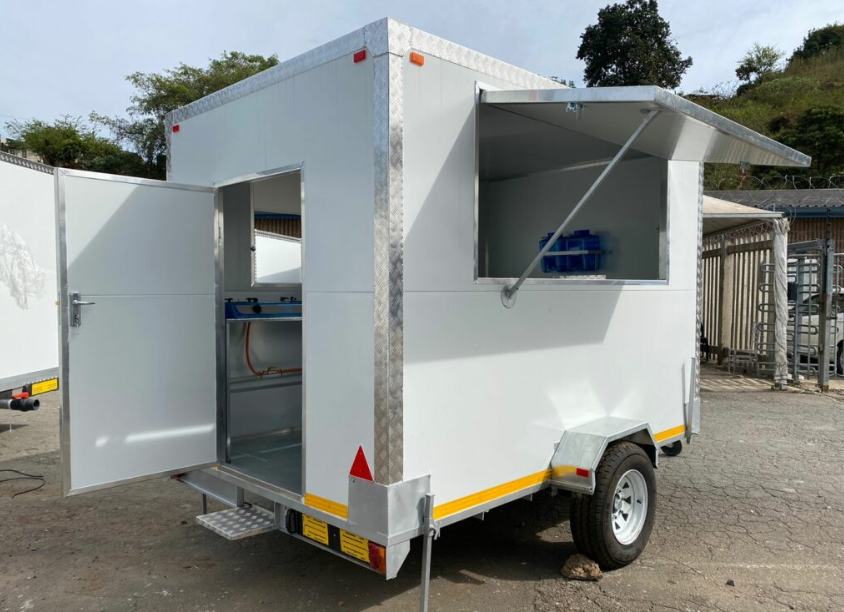
The Rise of Mobile Kitchens
Over the past decade, mobile kitchens have evolved from a niche solution to an essential component of the modern food service ecosystem. Whether at bustling city festivals, rural farmers markets, or on the frontlines of emergency response, these temporary culinary spaces offer unmatched flexibility and convenience. The increasing popularity can be attributed to changing societal habits, where consumers expect to enjoy high-quality food wherever they are—without compromising freshness or safety. This shift has also unlocked significant opportunities for those seeking a temporary kitchen rental for special events, business continuity, or community outreach.
The dynamics of how and where people dine are constantly in flux. Today, mobile kitchens aren’t just about convenience—they are enabling vital services in places traditional setups can’t reach. For instance, schools under renovation can continue serving lunches, and relief agencies can mobilize quickly in disaster-stricken areas, ensuring food security. Mobile food solutions experienced a sharp rise during the pandemic as restaurants, nonprofits, and municipalities innovated to stay afloat and support their communities. This demand sparked creative solutions, blending necessity with entrepreneurial spirit, and highlighted the critical role of mobile kitchens in our food chain.
Changing Demands in Food Service
The food service sector faces tremendous disruptive forces, from shifting consumer tastes to public health crises that demand instant pivots in operations. Mobile kitchens have emerged as a powerful solution to these pressures, not only increasing access to diverse food options but also enabling businesses and organizations to operate more efficiently. For instance, as dietary preferences change, such as gluten-free, vegan, or allergen-safe, mobile kitchens’ customizable environments make quick adaptation possible.
In a growing number of cases, what makes mobile kitchens so appealing is their ability to bridge gaps during uncertain times. A stadium undergoing upgrades doesn’t have to halt concession sales; an office complex experiencing a cafeteria issue can keep employees satisfied. These kitchens often serve as “lab spaces” for new product launches without the burden of long-term commitments —a real advantage in today’s fast-moving market. As highlighted in Harlem World Magazine, the food trucks of the future are embracing innovation, such as AI-driven ordering systems and sustainable design, further expanding what mobile kitchens can offer in terms of flexibility and resilience.
Four Key Benefits of Mobile Kitchens
- Flexibility: Mobile kitchens are ready for action almost anywhere—from parking lots at sporting events to remote construction sites and wooded festival grounds. This flexibility isn’t just geographic; menus and layouts can be tailored to a wide range of cuisines, dietary needs, and service models.
- Speed: Time is money, especially in food service. While traditional commercial kitchens may take months to build and outfit, mobile kitchens are designed to get up and running rapidly. This is invaluable for organizations that can’t afford downtime, whether due to emergencies, renovations, or seasonal fluctuations.
- Cost-Efficiency: For many, the decision to use mobile kitchens is about managing risk and reducing costs. Rather than investing in expensive construction and permanent overhead, a mobile kitchen provides a scalable setup that matches current requirements—ideal for short-term projects, pilot concepts, or fluctuating headcounts.
- Adaptability: One often overlooked benefit is the capacity for adaptation. Mobile kitchens can be equipped with specialty equipment, such as pizza ovens or allergen-safe preparation areas. They can pivot from catering private events to serving as community food distribution hubs on short notice.
Common Applications Across Industries
Mobile kitchens have proven their worth across a surprising variety of industries. In healthcare, they ensure patients and medical staff have uninterrupted meal service during remodeling or natural disasters. Schools use them to keep lunch programs running, often serving thousands of meals daily from modular units while cafeterias are updated or rebuilt. For significant public events such as concerts, parades, or sporting championships, mobile kitchens enable organizers to offer high-quality, customized dining experiences without permanent infrastructure investment.
The application is equally compelling in private business and community initiatives. Hospitality groups might introduce new food concepts at pop-up events and culinary festivals before committing resources to a brick-and-mortar location. During natural disasters, relief nonprofits deploy mobile kitchens to supply nourishment to first responders and displaced residents. The ability to bring food where it’s needed most, regardless of circumstances, underscores their growing importance in society.
Health Regulations and Compliance Requirements
Adhering to food safety standards is non-negotiable, regardless of where the kitchen operates. Mobile kitchen operators must comply with local health codes, which encompass a range of requirements, including proper refrigeration and hot holding, handwashing, pest control, and safe food transportation. Most jurisdictions require mobile kitchens to be inspected and licensed in the same manner as permanent restaurants. Regular cleaning practices, equipment checks, and documented staff training are essential for passing inspections and providing peace of mind to customers.
Regulations do vary by state and city, so proactive communication with local health departments is vital. Mobile kitchens often benefit from ready-to-use compliance checklists provided by local authorities, which help prevent costly delays and ensure smooth operation. This regulatory clarity, paired with robust on-site practices, is why many organizations trust mobile solutions as both reliable and safe.
Future Trends: Tech and Sustainability
Technology is reshaping the way mobile kitchens operate, offering real-time data on everything from inventory to safety temperature logs. Many mobile kitchens are now designed with sustainability at their core, featuring low-energy appliances, water-saving fixtures, and composting solutions. Digital ordering and payment integrations streamline customer flow, improve service times, and provide valuable business analytics for future planning.
Environmentally conscious operations are in demand more than ever. Savvy operators are investing in solar panels, biodegradable packaging, and even vertical gardens for hyper-local produce. When it comes to waste reduction, some mobile kitchens feature compact dishwashers and food waste digesters, aligning their models with the growing calls for corporate sustainability and accountability in the food industry. These steps aren’t just green—they also appeal to eco-minded consumers and municipalities eager to support cleaner events and community programs.
Potential Challenges and Considerations
Despite clear benefits, running a mobile kitchen isn’t without its hardships. Navigating diverse and sometimes confusing permit requirements can be time-consuming. Each new event or city may introduce new health codes, zoning restrictions, or fire safety laws. Weather-related interruptions, varying utility hookups, and the logistics of transporting and setting up a unit add further complexity.
Staffing a mobile kitchen also requires special attention. Teams need to work efficiently within compact spaces and be adept at making rapid adjustments when demand spikes or unforeseen issues arise. Waste management, especially for high-volume events or in locations with limited support, increases the operational burden. Planning and staying adaptable is key for anyone considering mobile food service as a lasting part of their business strategy.
Tips for Deciding if Mobile Kitchens are Right for You
- Clarify objectives: Determine whether your need is short-term (such as a festival or renovation) or ongoing to understand the best fit for your budget and logistics.
- Evaluate the actual cost: Factor in initial rental, utilities, transport, permit fees, and staff compensation to build a comprehensive budget.
- Review regulations: Stay updated on health, safety, and zoning rules at each intended location—don’t assume requirements will be the same everywhere.
- Assess menu feasibility: Map out whether your menu’s prep, cooking, and serving demands will work in a mobile setting or require specialized equipment.
- Network and research: Consult with experienced operators or advisors for valuable insights on pitfalls and best practices tailored to your unique needs.
Mobile kitchens represent an exciting frontier in the food service industry, blending innovation, adaptability, and resilience. Whether serving communities in need or launching new culinary ventures, these facilities are poised to play a pivotal role in the future of how—and where—people dine.