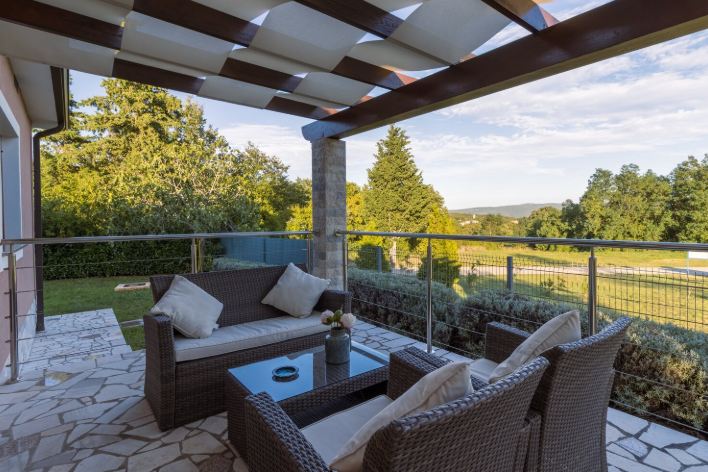
In the endeavor to create a stunning and functional outdoor living area, hardscaping services in Northern Virginia provide the structural elements that elevate the aesthetics and longevity of your space. Hardscaping refers to the non-living components of landscape architecture, such as walls, pathways, patios, and other constructed elements. These features offer durability and structure to an outdoor area and contribute to its overall beauty and functionality.
Understanding the essentials of hardscaping is key to transforming outdoor spaces into extensions of our homes. Whether it’s a patio for summer gatherings or a cobblestone path meandering through your garden, these structural elements merge design with functionality, helping you craft an environment that aligns with your lifestyle and aesthetic desires.
Benefits of Hardscape Elements
Hardscape elements benefit outdoor spaces, making them indispensable in modern landscape design. The durability of hardscape components stands out, as they are built to withstand various environmental conditions. Whether the scorching summer sun or torrential downpours, stone, brick, and concrete offer long-lasting resilience.
Moreover, hardscaping minimizes maintenance efforts, freeing time to enjoy your yard rather than tending to it. While gardens require regular watering and trimming, hardscapes require minimal upkeep, like occasional cleaning or sealing.
As noted in HowStuffWorks, hardscaping plays a crucial role in establishing the structure and function of outdoor areas, helping to define spaces and improve usability.
Furthermore, incorporating well-designed hardscapes can significantly enhance property value. Realtors often emphasize curb appeal and functional outdoor living spaces when selling homes, and a thoughtfully planned hardscape is a substantial asset in the real estate market.
The versatility inherent in hardscaping allows for vast creative expression. From intricate stone mosaics to sleek concrete surfaces, the range of styles and patterns means there’s something to suit every taste and complement any home’s architecture.
Key Materials for Hardscaping
The selection of materials is crucial to the success and durability of any hardscape project. Natural stone offers an unbeatable aesthetic, blending seamlessly with garden greenery and providing a timeless look. However, it can be costly and may require more intricate installation techniques. With their rustic charm, bricks are another popular choice, allowing for varied patterns while offering durability.
Concrete is incredibly versatile, lending itself to various textures and finishes. It’s a cost-effective option that can be molded into almost any shape or size, making it an attractive option for modern and traditional designs. Concrete design ideas can transform ordinary spaces into extraordinary ones, providing practicality without sacrificing style. As highlighted in The Spruce’s guide to hardscape materials, each material has distinct advantages and considerations, so understanding their characteristics is essential when choosing the right one for your landscape design.
Designing Your Outdoor Living Space
When designing an outdoor living area, it’s essential to integrate both functionality and style. The layout should foster a natural flow that encourages movement and accessibility. Walkways, patios, and retaining walls are more than just functional features; they are avenues for expression, allowing homeowners to personalize their spaces.
Multi-level designs add dimension and intrigue to flat landscapes, creating visual interest and offering distinct areas for different purposes—be it lounging, dining, or gardening. Considerations such as positioning relative to sun exposure and wind direction can further enhance the usability and comfort of these spaces.
Role of Lighting in Hardscapes
The impact of lighting on outdoor spaces cannot be understated. It enhances visibility and creates moods and atmospheres that transform landscapes after sunset. Strategic positioning of lighting—such as pathway lights, spotlights on architectural features, or ambient string lights—can turn a backyard into an enchanting evening retreat.
Modern technologies, like solar and LED solutions, offer sustainability alongside functionality. These energy-efficient options provide landscape designers with tools to design with environmental consciousness and aesthetics in mind, illuminating areas without a significant increase in energy consumption.
Incorporating Water Features
Whether simple reflecting pools or elaborate cascading fountains, water features can add a new dimension to your hardscape. They introduce a dynamic quality that static hardscapes alone cannot achieve. The sound of water gently flowing can mask surprising city noises, creating a peaceful atmosphere that invites meditation and relaxation.
A water feature serves as a focal point, drawing eyes and setting the tone for the surrounding design. Employing water features strategically enhances gardens’ natural beauty and complements the sturdiness of the hardscape materials.
Creating Sustainable Hardscapes
Environmental awareness is becoming a crucial consideration in landscape design. Sustainable hardscaping not only aids in environmental conservation but also financial savings over time. Utilizing local materials reduces transportation emissions, and opting for permeable pavers allows rainwater to return to the ground rather than running off into drains.
Sustainability can also be showcased through design choices. Native plants and drought-resistant varieties complement hardscapes beautifully without requiring excessive water resources, forming an ecosystem that thrives in harmony with its surroundings.
Maintenance Tips for Hardscapes
Even though hardscapes require less day-to-day attention than gardens, regular maintenance checks ensure longevity. Cleaning surfaces with appropriate solutions prevents the buildup of dirt or algae, maintaining both safety and aesthetics. Sealants act as a protective layer for porous materials like stone and concrete, safeguarding against weathering and staining.
Regular inspections help spot potential issues, such as cracks or loose pavers before they escalate into major repairs. Proper care and attention keep hardscapes pristine, preserving their functionality and appearance over time.
Conclusion: Balancing Design and Practicality
Successful hardscaping strikes a balance between artistic design and practical application. By integrating aesthetically pleasing structures that are functional and enduring, homeowners can create outdoor spaces that add value to their property and provide a serene retreat from the daily grind. Hardscaping is the backbone of any landscape design, setting the stage for lush plantings and vibrant social spaces.