Commercial Refrigeration Efficiency: Smart Practices for Facility Managers

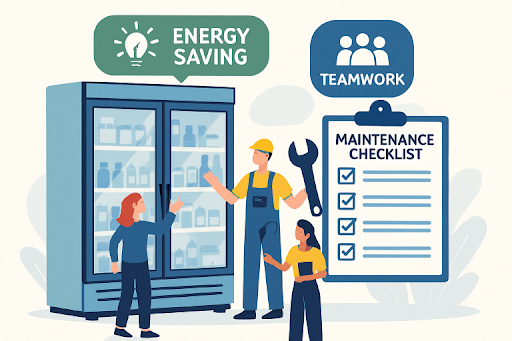
Facility managers face constant challenges balancing operational costs, environmental responsibilities, and compliance requirements. This is especially true when it comes to optimizing the efficiency of commercial refrigeration systems, which often account for a significant portion of energy use in commercial buildings. Adopting innovative management approaches and keeping up with technological advancements can yield remarkable operational benefits. To learn more about expert solutions and local expertise in refrigeration efficiency, visit this website.
Smart refrigeration practices not only reduce utility bills. They contribute to long-term equipment reliability, support sustainability goals, and ensure compliance with evolving regulatory standards. Facility managers who prioritize efficiency measures can create measurable value while protecting their facility’s bottom line and reputation.
Enhancing commercial refrigeration performance involves several interconnected strategies, each focusing on optimization, staff engagement, and the adoption of energy-efficient technologies. Investing in these smart practices today can future-proof operations for years to come.
Developing and maintaining an energy-conscious facility culture, along with periodic evaluation of refrigeration performance, supports ongoing improvements and adaptability. These efforts, supported by effective tools and proper training, are essential for sustained operational excellence.
Implement Smart Control Systems
Smart control systems enable facility managers to analyze refrigeration data in real time and automatically optimize cooling cycles based on current demand and ambient temperatures. Modern systems harness IoT sensors and advanced software, enabling facilities to customize cooling setpoints, reduce unnecessary compressor cycling, and even schedule maintenance. Research highlighted at the Clean Energy Ministerial demonstrates that supermarkets with automated smart controls consistently achieve 15-20% energy savings compared to outdated analog systems. Adaptive compressor control is especially effective, ensuring cooling power is supplied only when needed.
Regular Maintenance and Monitoring
Scheduled maintenance programs are essential for the efficient operation of refrigeration hardware. Preventive measures include inspecting refrigerant lines and calibrating temperature sensors. Facility managers should prioritize checking refrigerant levels to promptly address leaks, cleaning condenser and evaporator coils to prevent energy inefficiency caused by dust or ice, and inspecting door seals to avoid significant increases in compressor run time. Additionally, modern remote monitoring tools play a crucial role in identifying minor anomalies, enabling early alerts that prevent unexpected downtimes and costly repairs. Case studies in convenience stores have demonstrated that effective monitoring systems significantly reduce emergency maintenance and energy consumption spikes.
Train Staff on Best Practices
Staff behaviors significantly influence the efficiency of commercial refrigeration systems. It is crucial for facility managers to train personnel on key practices: restricting the opening of refrigeration doors to necessary occasions and ensuring they are closed promptly after use; organizing products to facilitate cold air circulation; and understanding temperature setpoints to prevent unnecessary energy consumption. Investing in both initial and ongoing staff training fosters a culture of accountability towards energy usage. Research indicates that teams with effective training can reduce commercial refrigeration energy consumption by up to 10% through improved daily operations.
Optimize Temperature Settings
Optimal temperature management is crucial for enhancing energy efficiency and ensuring product safety. Overcooling can lead to wasted energy and potential freeze damage to sensitive items without extending their longevity. Facility managers are advised to regularly audit stored products and adjust temperature settings to ensure compliance with storage requirements. The use of programmable thermostats is recommended to automate temperature control throughout the day, thereby reducing energy use during periods of reduced traffic. Additionally, continuous data logging enables regular adjustment of temperature and defrost cycles, leading to more efficient energy use, cost savings, and improved product safety.
Upgrade to Energy-Efficient Equipment
Older refrigeration units are less energy-efficient and require more maintenance than modern units. Although upgrading facilities involves initial costs, investments in ENERGY STAR-rated appliances, high-efficiency compressors, and improved insulation can yield substantial long-term savings and enhanced reliability. Additionally, equipment compatible with smart controls enables easier integration and remote management. It’s advisable to explore local and national incentive programs to help mitigate upfront expenses for new equipment.
Implement Load Shifting Strategies
Load shifting strategies reduce electricity costs by moving major refrigeration tasks to hours when electricity rates are lower. This can include:
- Pre-cooling storage during early morning or nighttime hours, taking advantage of lower energy prices.
- Scheduling defrost cycles for low-demand periods reduces pressure on the facility’s overall power load.
Research from organizations such as ASHRAE underscores that load shifting reduces demand peaks and overall utility expenses, while extending the life of critical refrigeration components through more even load distribution.
Stay Informed on Regulatory Changes
Facility managers are required to stay informed about changing energy efficiency standards and refrigerant regulations, particularly concerning phasedown schedules for high Global Warming Potential (GWP) refrigerants and guidelines for refrigeration units. Keeping track of compliance updates helps mitigate regulatory penalties and enables access to potential government or utility incentives. Managers should review updates from the EPA and the Department of Energy on current equipment requirements and enroll in state or utility rebate programs to support efficiency projects.
Conclusion
Building an effective commercial refrigeration efficiency plan depends on using data-driven tools, staying proactive with maintenance, training staff, and regularly reassessing system performance. Facility managers who prioritize these practices can achieve substantial operational savings while meeting the highest standards in environmental stewardship and regulatory compliance.