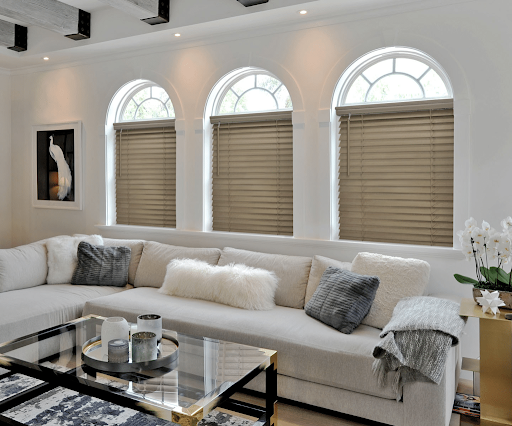
Custom window treatments have the power to completely redefine the atmosphere of any interior space. Unlike off the shelf curtains or blinds, they are tailored to the exact dimensions, design preferences, and functional needs of a room.
This precise personalization allows homeowners and designers to create a cohesive visual story while also improving comfort, lighting, and privacy. From enhancing architectural features to introducing texture and color, custom window treatments offer both aesthetic and practical benefits that elevate interiors from ordinary to refined.
The Role of Window Treatments in Interior Design
Window treatments are more than decorative coverings. They serve as structural design elements that connect walls, furniture, and lighting into a unified composition. Because windows naturally draw the eye, the way they are framed has a strong influence on how a room is perceived.
Custom treatments ensure alignment with the proportions and style of the space. They can visually expand ceiling height, balance asymmetrical windows, or soften harsh architectural lines. This level of precision cannot be achieved with ready made options that often compromise on fit and fabric choice.
Well designed window treatments influence:
- Visual balance and symmetry within a room
- Perception of scale and proportion
- Light diffusion and mood
- Integration of color palette and textures
Enhancing Natural Light and Ambience
Light is one of the most transformative elements in interior environments. The way daylight enters and spreads across surfaces determines whether a room feels warm and inviting or stark and uncomfortable. Custom window treatments allow exact control over this interaction between light and interior materials.
Sheer fabrics can filter sunlight into a soft glow that enhances calm and openness. Layered drapery systems enable flexible transitions between bright daytime illumination and cozy evening enclosure. Precisely fitted shades eliminate gaps that cause glare or uneven brightness.
By tailoring opacity, lining, and layering, custom treatments shape ambience in subtle but meaningful ways. Rooms feel more harmonious because light distribution is controlled rather than accidental.
Creating a Cohesive Style Statement
Every interior design style depends on consistency across materials, shapes, and color relationships. Windows occupy significant visual area, so treatments that clash with the rest of the décor disrupt harmony. Custom solutions allow fabrics, trims, and hardware to match or complement furniture, wall finishes, and accessories.
In contemporary spaces, sleek roller shades or flat Roman shades reinforce clean lines. Traditional rooms benefit from pleated drapery with rich textures. Transitional interiors may combine structured shades with relaxed side panels to bridge modern and classic elements.
Because custom window treatments are designed within the broader scheme, they become an integral component rather than an afterthought. This integration strengthens the overall character of the room.
Improving Proportion and Spatial Perception
Strategic placement and sizing of window treatments can visually reshape a room. Designers often use drapery height and width to manipulate perceived dimensions. Mounting curtains higher than the window frame creates the illusion of taller ceilings. Extending rods beyond window edges makes openings appear wider.
Custom fabrication makes these adjustments precise. Panels can be scaled to exact floor length, fullness, and stacking width. This eliminates awkward bunching or gaps that disrupt visual flow. Even small rooms can feel more expansive when windows are framed to emphasize vertical or horizontal lines.
Spatial perception is influenced by several design decisions:
- Height of mounting relative to ceiling
- Length and fullness of fabric panels
- Width of treatment beyond window frame
- Relationship between window and wall space
Through careful calibration of these factors, custom window treatments subtly reshape how space is experienced.
Adding Texture and Depth
Rooms that rely only on smooth painted walls and flat surfaces often feel sterile. Textiles introduce tactile richness that adds warmth and dimension. Because windows occupy large vertical planes, treatments are ideal locations for texture layering.
Custom options offer access to an extensive range of materials such as linen, velvet, woven grass, silk blends, and embroidered fabrics. These materials interact with light differently, creating highlights and shadows that shift throughout the day. The resulting depth enhances visual interest even in minimalist interiors.
Layering also contributes to depth. Combining shades with drapery or sheer panels creates multiple planes that soften the transition between interior and exterior views. This layered approach makes rooms feel more complete and intentionally designed.
Balancing Privacy and Openness
Modern living often requires a balance between connection to outdoor views and protection from outside visibility. Standard treatments frequently fail to provide both simultaneously. Custom window treatments can be engineered for specific privacy levels without sacrificing aesthetics.
Top down bottom up shades allow light entry from above while maintaining coverage below. Dual layer systems combine translucent and opaque fabrics. Tailored drapery fullness ensures coverage without excessive bulk.
These solutions adapt to room function. Bedrooms require higher privacy and light control, while living areas may prioritize openness. Customization aligns treatment performance with lifestyle patterns rather than forcing compromise.
Supporting Energy Efficiency and Comfort
Windows are significant pathways for heat gain and loss. Poorly fitted coverings allow drafts, solar heat, and temperature fluctuations that reduce comfort. Custom window treatments contribute to environmental control by sealing edges and incorporating insulating materials.
Thermal linings reduce heat transfer during both summer and winter. Cellular shades trap air within honeycomb structures to improve insulation. Blackout layers enhance not only darkness but also temperature stability.
Comfort improvements include:
- Reduced glare and overheating near windows
- Improved indoor temperature consistency
- Lower reliance on artificial lighting
- Enhanced acoustic softness in echo prone rooms
These functional benefits reinforce the experiential transformation created by visual design improvements.
Highlighting Architectural Features
Windows often serve as architectural focal points, especially when shaped or positioned uniquely. Custom treatments respect and enhance these features rather than obscuring them. Arched, bay, or floor to ceiling windows require specialized fabrication that follows contours and scale.
Properly designed treatments frame these shapes to emphasize geometry and craftsmanship. For example, curved tracks can mirror arched tops, while tailored panels accentuate vertical expanses. Even irregular window arrangements can be unified through coordinated treatments.
By aligning with architecture, custom window treatments celebrate structural character and strengthen the identity of the space.
Elevating Perceived Quality and Craftsmanship
Tailored design communicates attention to detail. When window treatments fit perfectly and coordinate seamlessly with surroundings, the entire room appears more refined. This perception of quality arises from several subtle cues.
Edges align precisely with frames and floors. Pleats fall evenly. Fabrics hang smoothly without puckering. Hardware complements other finishes. These elements collectively signal intentional design rather than improvisation.
Because windows are highly visible, upgrading their treatment elevates the perceived standard of the whole interior. Even modest rooms can feel sophisticated when window detailing is executed carefully.
Adapting to Functional Needs of Different Rooms
Each room has unique requirements for light, privacy, and durability. Custom window treatments allow these needs to be addressed without compromising style consistency across the home. Fabric type, lining, and operation method can be adjusted while maintaining visual cohesion.
Bedrooms may prioritize blackout capability. Kitchens may require moisture resistant materials. Living rooms often balance view preservation with glare control. Bathrooms need privacy and humidity tolerance. Customization ensures each space functions optimally while contributing to a unified aesthetic narrative.
This adaptability ensures that transformation extends throughout the home rather than being limited to decorative spaces.
Integrating Technology and Modern Living
Contemporary interiors increasingly incorporate automation and smart home integration. Custom window treatments can accommodate motorization and programmable controls without altering appearance. Hidden tracks and compact motors maintain clean lines while enabling convenient operation.
Automated shades can adjust according to time of day or sunlight intensity, preserving comfort and protecting furnishings from fading. Remote control or voice integration allows effortless management of multiple windows simultaneously.
Technology integration enhances usability while preserving the elegance of tailored design. The room benefits both visually and functionally from this seamless incorporation.
Emotional Impact and Atmosphere
Beyond physical attributes, interior environments shape emotional experience. Light softness, fabric movement, and spatial balance influence how occupants feel within a room. Custom window treatments contribute strongly to these psychological effects.
Softly filtered daylight promotes relaxation. Structured drapery conveys formality. Layered textiles create coziness. Precise fit conveys order and calm. These qualities affect mood even when not consciously noticed.
Because windows mediate connection between interior and exterior, their treatment shapes perception of safety, openness, and comfort. Tailored solutions ensure that this boundary supports the intended atmosphere of the space.
Longevity and Sustainable Design Value
Quality materials and precise fabrication extend the lifespan of custom window treatments. Unlike mass produced options that degrade quickly or fail to fit evolving décor, tailored designs maintain relevance longer. Neutral base fabrics can accommodate changing accents, while durable linings preserve structure.
Longevity contributes to sustainability by reducing replacement frequency and material waste. Well constructed treatments can also be modified or reconfigured for new interiors. This adaptability preserves both resources and investment.
Sustainable value arises from durability, timeless design, and functional efficiency working together.
Conclusion
Custom window treatments transform interiors through a combination of visual refinement and functional enhancement. They shape light, proportion, texture, and privacy in ways that standard coverings cannot achieve. By aligning with architecture and décor, they unify design elements and elevate perceived quality. Their influence extends beyond appearance into comfort, efficiency, and emotional atmosphere.
Because windows anchor how a room interacts with daylight and outdoor views, tailoring their treatment reshapes the entire spatial experience. Whether enhancing elegance, warmth, or openness, custom window treatments redefine how interiors look and feel, turning ordinary rooms into cohesive and thoughtfully composed environments.