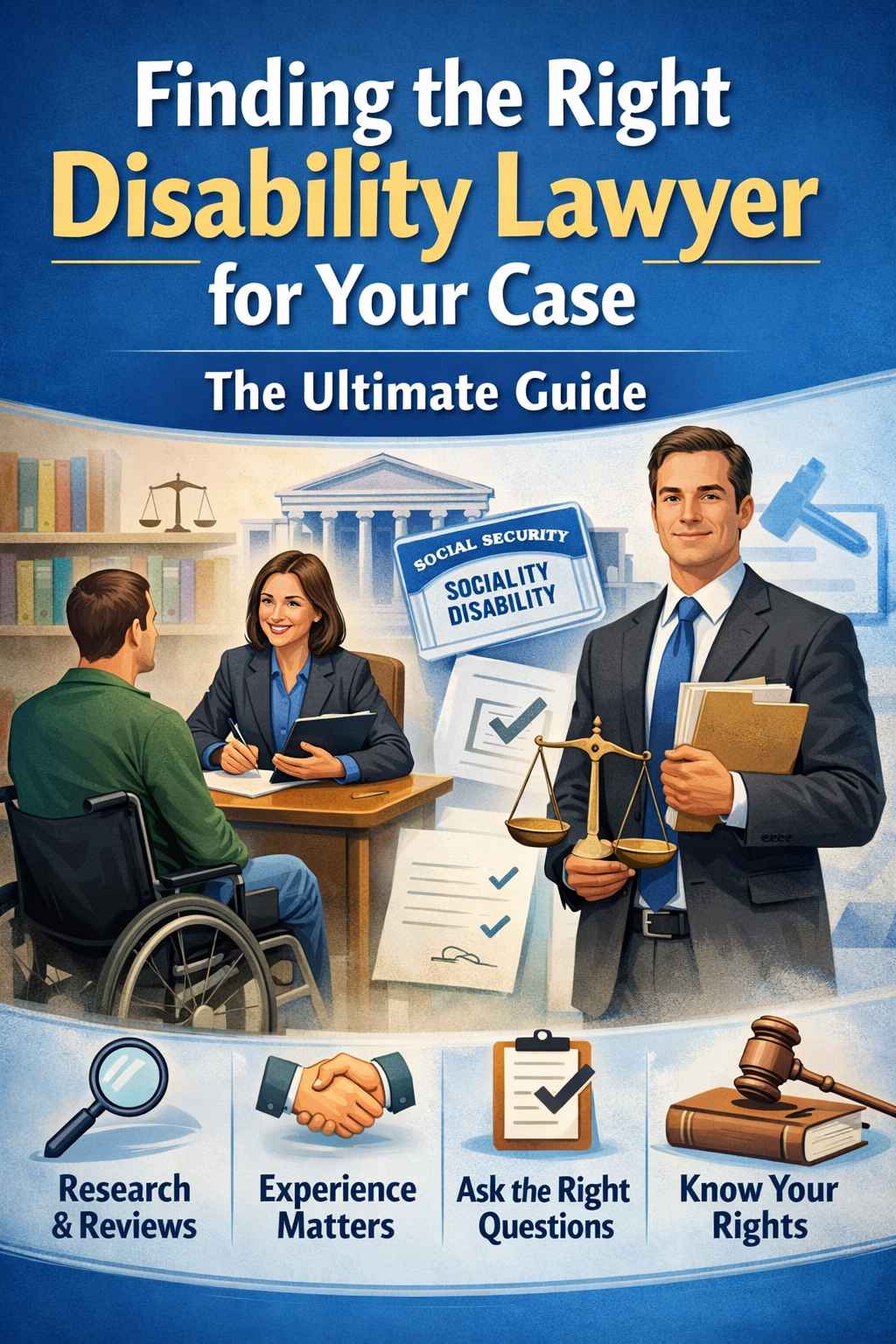
The Complexity of Disability Claims: Navigating the Red Tape
Disability claims often embody extensive nuances, regulations, and bureaucratic hurdles that can significantly complicate the process for claimants. The Social Security Administration (SSA) has established a myriad of guidelines and requirements that must be meticulously adhered to in order to qualify for benefits. From providing medical evidence to understanding the elusive definition of disability, the process can ensnare those who attempt it without adequate legal support. The mere act of gathering documentation can transform into an overwhelming endeavor. Legal professionals specializing in disability law possess not only a thorough understanding of the regulations but also the experience to recognize which elements of a case may need additional emphasis. Navigating such a complex network of policies and red tape can be daunting, but a skilled disability lawyer acts as a strategic guide, steering you through each necessary step with confidence and expertise.
The Power of Expertise: How a Lawyer Can Enhance Your Case
Retaining a disability lawyer can markedly bolster your chances of securing the benefits to which you are entitled. These attorneys have an acute awareness of the legal landscape that governs disability claims and possess valuable insights into common pitfalls that arise during the application process. Their expertise allows them to craft compelling arguments and tailor your case to resonate with the unique standards that federal judges and administrative law judges uphold. Moreover, they are often familiar with local SSA offices and the individuals working within them, providing additional leverage during negotiations. The advantage of having a seasoned representative means that your case isn’t just treated as another file; it becomes a personalized undertaking where every detail is scrutinized and optimized for the best possible outcome. Ultimately, the power of expertise translates into tangible results, converting potential rejections into acquired benefits.
Your Rights Matter: Ensuring Proper Representation
Understanding your rights in the context of disability claims is critical, and unfortunately, many applicants remain unaware of these rights, which can jeopardize their chances for successful applications. A legally trained advocate not only comprehends these rights but ensures they are upheld throughout the proceedings. It is vital to know that you are entitled to submit evidence, to appeal decisions, and to receive fair treatment. A disability lawyer plays an essential role in safeguarding these rights, advocating on your behalf to mitigate the risk of exploitation or unfair treatment by insurance companies or the SSA. They ensure that your case is presented in a manner that highlights not only the medical aspects but also the profound personal and financial impacts that disability imposes on your life. Advocacy goes beyond mere representation; it encompasses a commitment to affirming your dignity and fundamental rights throughout an often grueling process.
Qualities to Look for in a Disability Lawyer: Unraveling the Ideal Traits
Experience vs. Fresh Perspectives: Striking the Right Balance
When searching for the right disability lawyer, it’s crucial to strike a balance between seasoned professionals and those who may offer fresh perspectives. Lawyers with extensive experience in disability law possess an intimate knowledge of the intricacies involved in these claims. They are adept at anticipating obstacles and are likely to possess a robust network of resources, including medical professionals, vocational experts, and administrative contacts, which can enhance the strength of your case. However, newer lawyers may bring innovative strategies and a passionate commitment to advocating for clients’ rights. They often have a more recent education, informed by the latest changes in laws and practices, which can be beneficial. Assessing potential lawyers should involve evaluating their professional background, including their track record, as well as how motivated they are to advocate for your specific circumstances. The ideal lawyer navigates the duality of extensive experience while remaining open to new methodologies and approaches.
Empathy and Understanding: The Cornerstones of Client Relationships
A successful attorney-client relationship hinges on mutual trust and understanding. For clients facing the bureaucratic challenges of securing disability benefits, working with someone who displays genuine empathy is paramount. Disability claims often come at a vulnerable time, filled with uncertainty and emotional stress. Thus, a lawyer who engages with compassion not only enhances communications but also provides reassurance amidst potential frustration. Their ability to listen attentively and validate your experiences fosters a secure environment where you can candidly discuss your fears and expectations. A lawyer who takes the time to understand your story and the unique challenges you face is better equipped to advocate effectively on your behalf. You deserve a legal partner who not only sees you as a client but as a person navigating complex realities.
Communication Skills: Evaluating Responsiveness and Clarity
In the legal profession, effective communication can make or break a case. From articulating complex arguments to providing clarity in explanations and updates, a lawyer’s communication skills are pivotal. During your initial consultation, pay close attention to how responsive a lawyer is to your questions and concerns. Are they able to simplify intricate legal jargon into terms you easily understand? Good communication is also about transparency. An attorney should be willing to outline possible outcomes, the challenges you may face, and the strategies they propose for your case. Moreover, a lawyer’s ability to communicate effectively with SSA officials can significantly impact your chance for success. A proactive approach in keeping you informed about your case’s progress can alleviate much of the anxiety associated with waiting for decisions. In an industry where time is often of the essence, clear, consistent communication is a non-negotiable aspect of a positive client-lawyer relationship.
Questions to Ask During Your Initial Consultation: Make the Most of Your Meeting
Fee Structures Demystified: Understanding Payment Options
Cost is a significant factor when deciding to hire a disability lawyer, and understanding their fee structures is imperative. Most disability lawyers operate on a contingency fee basis, which means they are only paid if you win your case, a reasonable arrangement that aligns their incentive with your victory. However, it is essential to clarify the percentage they will charge and whether other costs may be incurred, such as administrative fees or expert witness fees. Some lawyers may charge hourly rates or flat fees, which can lead to confusion if not thoroughly discussed. During the consultation, don’t hesitate to inquire about what happens should you lose your case. Clear discussions regarding fees should be the foundation for a transparent and honest working relationship.”
Case Handling Strategies: What’s Your Lawyer’s Game Plan?
Every case is unique, and understanding how a lawyer plans to approach yours can provide invaluable insights into their methodology and commitment. Ask your potential lawyer about their game plan from start to finish. Inquire about their strategies for gathering evidence, submitting appeals, or addressing any challenges that may arise during the process. A seasoned attorney will formulate a tailored strategy after assessing your specific case and its nuances. They should be able to articulate compelling reasons for their approach and provide reassurance regarding potential outcomes. Additionally, explore their willingness to collaborate with medical professionals, vocational experts, or other sources that may strengthen your case. Having a comprehensive plan illustrated during the consultation can provide confidence that your lawyer is proactive and prepared to fight for your rights.
Success Rates and Testimonials: The Proof is in the Pudding
A lawyer’s track record can be a decisive factor in your choice. Ask about their success rates with similar cases. While past performance does not guarantee future outcomes, high success rates often indicate an effective approach, strong advocacy skills, and a grasp of enabling factors for winning cases. Additionally, seeking out client testimonials, reviews, and even referrals from previous clients can illuminate a lawyer’s reputation within the field. A trustworthy lawyer will willingly share past client experiences and be receptive to providing references. Pay attention to how they handle critiques and whether they demonstrate a willingness to learn and evolve. The voices of clients who have successfully navigated the process with their guidance should offer invaluable insights into their commitment and capabilities.
Common Pitfalls in Hiring a Disability Lawyer: Avoiding Missteps
The Fine Print: Importance of Reviewing Contracts Thoroughly
Before signing any agreement with a disability lawyer, it is imperative to review the contract carefully. Contracts can contain nuanced terms regarding fees, obligations, and representations that may not be immediately obvious. Misinterpretations can lead to unexpected expenses or disappointments later in the process. Be sure to question any legal jargon that seems unclear, and ask for clarifications to ensure a thorough understanding of what you are agreeing to. It’s wise to compare contracts from multiple lawyers to recognize any inconsistencies or potential red flags. The diligence displayed in examining the fine print not only protects your financial interests but also sets a precedent for transparency in your future dealings with the lawyer.
Choosing Based on Cost Alone: The True Value of Quality Representation
While budget constraints are understandable, choosing a lawyer solely based on cost can lead to regret and additional expenses in the long run. In the realm of disability claims, quality representation can have profound implications on the outcome of your case. A more experienced lawyer may come at a premium, but the expertise they offer is often a worthwhile investment; after all, winning a claim may substantially alleviate financial burdens and improve your quality of life. In contrast, an inexpensive lawyer may lack the depth of understanding necessary to navigate complex regulations, ultimately leading to a rejected claim or prolonged delays. Weighing the costs against the potential benefits and considering referrals or reputations within the community can guide you towards finding a balance that values both quality and cost.
Ignoring Compatibility: The Client-Lawyer Dynamic Matters!
The relationship between you and your disability lawyer is pivotal to navigating the often tumultuous waters of your claim. Ignoring personal compatibility during the selection process can lead to frustrating experiences and hinder your case’s success. A lawyer who understands your situation, respects your concerns, and is receptive to your values will foster a collaborative approach. Clearly communicate expectations and gauge whether the lawyer demonstrates a willingness to listen. Trust your instincts: if the lawyer does not instill confidence or if the outlook for collaboration appears tenuous, it may be wise to continue your search. After all, a positive dynamic can enhance not just communication but your overall peace of mind during a challenging period.