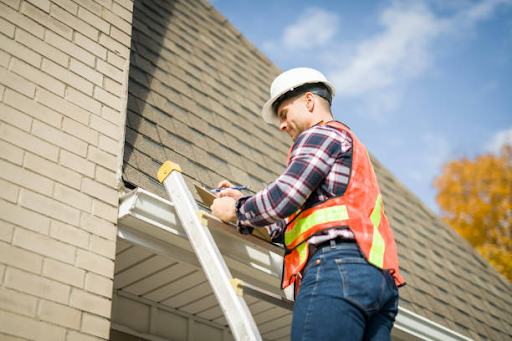
Roof leaks are among the most frustrating problems homeowners face. A small drip can quickly turn into structural damage, mold growth, insulation failure, and interior repairs that cost far more than the original roof issue. Understanding why roofs leak and how those leaks are professionally repaired helps homeowners act early and avoid extensive damage.
This guide explains the most common causes of roof leaks, how roofing professionals diagnose them, and the proven repair methods used to restore roof integrity.
Local roofing experts often note that many leaks begin as minor maintenance issues that could have been prevented with routine inspection and timely repairs. By learning the typical leak sources and solutions, homeowners can better protect their property and extend roof lifespan.
Why Roof Leaks Happen
Roofs endure constant exposure to weather, temperature changes, debris, and aging materials. Over time, even high quality roofing systems develop weak points. Leaks typically occur when water penetrates beneath the protective outer layer and reaches the underlayment or roof deck.
Several conditions increase leak risk:
- Aging materials that lose waterproofing ability
- Improper installation or poor workmanship
- Severe weather such as storms or hail
- Lack of routine inspection and maintenance
Understanding the specific cause is critical because different leak sources require different repair approaches. Treating symptoms without addressing root causes often leads to recurring leaks.
Damaged or Missing Shingles
Shingles form the primary protective layer of most residential roofs. When shingles crack, curl, or detach, the roof loses its ability to shed water effectively. Wind uplift, UV exposure, and temperature cycling gradually weaken shingles until they fail.
Leaks from missing or damaged shingles usually occur after storms or strong winds. Water seeps into exposed underlayment and travels downward into the roof deck and interior ceiling.
How It Is Fixed
Professional repair begins with removing surrounding shingles to expose the affected area. Roofers inspect the underlayment and decking for moisture damage before installing replacements.
Typical repair steps include:
- Removing broken or loose shingles
- Replacing compromised underlaymen
- Installing new shingles matched to existing roof
- Sealing edges with roofing adhesive
When damage is widespread, a partial roof section replacement may be recommended rather than spot repairs.
Failed Flashing Around Roof Penetrations
Flashing is thin metal installed around chimneys, vents, skylights, and roof joints to direct water away from openings. Because flashing sits at transitions and seams, it is one of the most common leak points.
Over time flashing can corrode, crack, loosen, or separate from roofing materials. Improper installation is also a frequent cause of early failure. Once flashing gaps form, water easily enters during rain.
How It Is Fixed
Repair depends on flashing condition. Minor gaps can be sealed, while severe corrosion requires full replacement.
Professional flashing repair may involve:
- Removing surrounding shingles or roofing material
- Extracting damaged flashing
- Installing new step or counter flashing
- Sealing with waterproof membrane and sealant
- Reinstalling shingles
Properly installed flashing should last many years and prevent recurrence at the same location.
Clogged or Damaged Gutters
Gutters play a crucial role in roof drainage. When gutters clog with leaves, debris, or sediment, water backs up onto the roof edge. Standing water increases seepage under shingles and fascia boards, leading to leaks near eaves and walls.
Damaged or sagging gutters can also direct water toward the roof instead of away from it. Ice dams in cold climates create similar conditions by trapping meltwater on the roof surface.
How It Is Fixed
Repair focuses on restoring proper drainage and addressing any roof edge damage.
Solutions commonly include:
- Clearing debris and flushing gutters
- Reattaching or realigning sagging sections
- Repairing fascia or soffit damage
- Installing gutter guards if needed
If prolonged water exposure has damaged shingles or underlayment at the eaves, localized roof repair may accompany gutter service. For expert roofing care reach out to Nailed It Roofing Pros.
Cracked Vent Boot Seals
Roof vents allow air circulation through attic spaces. Around each vent pipe sits a rubber or neoprene boot seal that prevents water intrusion. These seals deteriorate faster than shingles due to constant sun exposure.
Once a vent boot cracks or splits, rainwater flows directly along the pipe into the attic. Because the entry point is small, leaks may remain hidden for long periods.
How It Is Fixed
Vent boot replacement is a straightforward but precise repair. Roofers remove surrounding shingles, detach the old boot, and install a new flashing boot integrated with roofing layers.
Steps typically include:
- Lifting shingles around vent base
- Removing fasteners securing the old boot
- Installing new vent flashing and boot
- Sealing and reinstalling shingles
Modern boot materials often provide improved UV resistance and longer service life.
Skylight Leaks
Skylights enhance natural light but introduce complex roof penetrations. Leaks often occur due to flashing failure, sealant degradation, or improper installation angles. Condensation issues can also mimic leaks if insulation around the skylight is inadequate.
Water intrusion around skylights may appear as stains or bubbling drywall on ceilings below the opening.
How It Is Fixed
Repair depends on whether the skylight itself or its surrounding flashing has failed. Roofing professionals inspect both the unit and its integration with roofing materials.
Common repair methods include:
- Reflashing the skylight perimeter
- Replacing deteriorated sealant or gaskets
- Correcting installation angle or mounting
- Replacing the skylight if frame damage exists
Proper skylight integration requires layered flashing and waterproof membranes to ensure long term protection.
Roof Valley Deterioration
Roof valleys are the channels where two roof slopes meet. Because valleys collect and direct large volumes of water, they experience more wear than other areas. Shingle erosion, flashing failure, or debris buildup often leads to valley leaks.
When valley materials degrade, water penetrates beneath shingles and spreads laterally across the roof deck, making leak origin difficult to trace.
How It Is Fixed
Valley repair often involves replacing a section rather than patching a single spot. Roofers remove shingles along both sides of the valley to access underlying flashing or membrane.
Repair may include:
- Clearing debris and moisture damaged materials
- Installing new valley flashing or membrane
- Replacing adjacent shingles
- Sealing transitions and overlaps
Because valleys handle concentrated runoff, high quality materials and precise installation are essential.
Aging Roof Materials
All roofing materials have a finite lifespan. Asphalt shingles typically last 20 to 30 years, while other materials vary. As roofs age, waterproof granules wear away, sealants dry out, and structural integrity declines.
Older roofs often develop multiple leak points simultaneously. Even small rain events may produce interior moisture because protective layers have thinned.
How It Is Fixed
When leaks result primarily from age rather than isolated damage, repair may only provide temporary relief. Roofing professionals evaluate whether continued repairs remain cost effective.
Options generally include:
- Targeted patching for short term control
- Sectional replacement of worn areas
- Full roof replacement when lifespan is reached
Aging roofs frequently benefit more from replacement than repeated repairs.
Improper Roof Installation
Many persistent leaks trace back to installation errors rather than material failure. Incorrect shingle overlap, inadequate flashing integration, or insufficient sealing can allow water intrusion from the start.
Installation flaws may remain hidden until heavy rain or seasonal expansion reveals weaknesses. Because errors affect structural layering, leaks may occur repeatedly in the same area.
How It Is Fixed
Correcting installation defects requires removing improperly installed materials and rebuilding the section correctly. Surface sealing alone rarely solves these leaks.
Professional correction involves:
- Removing affected roofing layers
- Reinstalling underlayment properly
- Installing shingles with correct overlap and alignment
- Integrating flashing with proper sequence
Once corrected, these areas usually perform as intended for the remainder of the roof lifespan.
Ice Dam and Winter Damage
In colder climates, ice dams form when roof heat melts snow that later refreezes at eaves. The ice ridge traps water on the roof surface, forcing it beneath shingles. Repeated freeze thaw cycles can also loosen roofing materials.
Leaks from ice dams often appear along exterior walls or ceilings near roof edges.
How It Is Fixed
Repair addresses both roof damage and underlying insulation or ventilation issues that cause uneven heat distribution.
Solutions may include:
- Replacing damaged shingles and underlayment
- Improving attic insulation coverage
- Enhancing roof ventilation
- Installing ice and water shield membranes
Preventing heat loss into the attic is the most effective long term solution for ice dam related leaks.
Cracked Chimney Masonry or Seals
Chimneys intersect roofs at complex joints that rely on both flashing and masonry integrity. Cracked mortar, spalling bricks, or deteriorated sealant allow water entry that travels along chimney surfaces into the roof structure.
Because chimney leaks often follow masonry pathways, interior stains may appear far from the chimney base.
How It Is Fixed
Repair may involve both roofing and masonry work to restore watertight integration.
Common repair steps include:
- Reflashing chimney base
- Repointing cracked mortar joints
- Sealing masonry surfaces
- Replacing damaged chimney cap
A properly sealed chimney prevents water entry at both roof and masonry interfaces.
How Professionals Diagnose Roof Leaks
Accurate diagnosis is crucial because water often travels before becoming visible indoors. Roofing professionals inspect both exterior and attic spaces to trace moisture pathways.
Inspection typically includes:
- Visual roof surface examination
- Flashing and penetration checks
- Attic moisture and insulation assessment
- Water testing if source is unclear
Identifying the entry point ensures repairs target the true cause rather than interior symptoms.
Preventing Future Roof Leaks
Most roof leaks develop gradually. Routine maintenance and early repair significantly reduce risk. Preventive care extends roof lifespan and protects structural components beneath roofing materials.
Key prevention practices include:
- Annual roof inspections
- Prompt repair of damaged shingles or flashing
- Regular gutter cleaning
- Attic ventilation and insulation maintenance
Consistent upkeep prevents minor vulnerabilities from becoming major leak sources.
Conclusion
Roof leaks rarely occur without warning. They typically begin with material wear, flashing failure, drainage problems, or installation defects that worsen over time. Understanding the most common causes allows homeowners to recognize early signs and seek appropriate repair before structural damage develops.
Professional roof repairs focus on restoring layered waterproofing systems rather than simply sealing visible openings. By addressing root causes such as damaged shingles, failed flashing, or drainage issues, roofing professionals ensure long term protection against water intrusion. Regular inspection and maintenance remain the most effective strategy for preventing leaks and preserving roof performance throughout its service life.