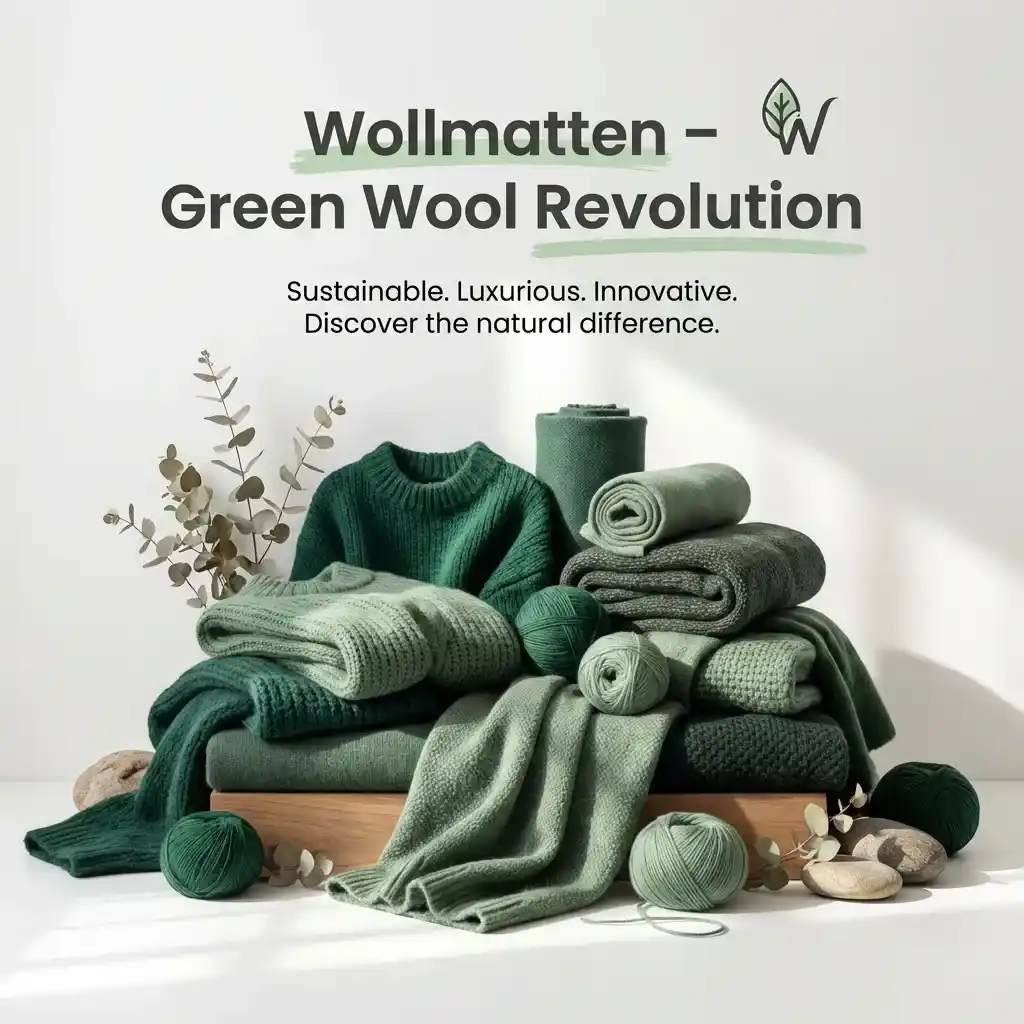
Introduction to Wollmatten
In an era where sustainability shapes our choices, Wollmatten also known as wool mats stand out as innovative, eco-friendly products derived from sheep’s wool. These mats harness the natural properties of wool to provide thermal regulation, moisture control, and breathability, making them a go-to option for various applications. From enhancing green buildings to supporting outdoor adventures, Wollmatten blend functionality with environmental responsibility, appealing to those seeking practical yet planet-friendly materials.
What Makes Wollmatten Special?
At their essence, Wollmatten are crafted from natural wool fibers, processed into durable mat forms. Unlike synthetic alternatives, they come from a renewable resource: sheep that produce around 2.3–3.6 kg of wool each year. This makes them inherently sustainable, as wool is biodegradable and requires no harsh chemicals in production. Their unique structure allows them to be hydrophobic on the outside while hydrophilic inside, effectively managing moisture and temperature. Plus, they’re naturally fire-resistant, adding a layer of safety without compromising on comfort.
The Production Journey of Wollmatten
The creation of Wollmatten exemplifies a circular economy. It starts with humane sheep shearing, where even lower-grade “waste wool” from areas like the belly or legs finds new purpose. This wool is scoured to remove impurities, then carded to align the fibers. Through felting with heat and moisture—no synthetic binders needed the fibers bond into sturdy mats. This process not only reduces waste but also supports sheep farmers by turning overlooked materials into valuable products, promoting economic and environmental harmony.
Diverse Applications of Wollmatten
Wollmatten shine in their versatility, spanning industries from construction to horticulture. In buildings, they serve as thermal and acoustic insulation, easy to install without protective gear, unlike fiberglass. For automotive and furniture, they provide noise reduction and cushioning. Outdoors, they’re used in sleeping bags, camping mats, and even oilskin-covered seating for bushcraft. In gardening, they act as mulch covers and root protectors that biodegrade, enriching soil naturally.
Key Uses and Benefits of Wollmatten
To capture the essence of this remarkable material, here are the main points highlighting its core advantages and applications:
- Building Insulation: Ideal for green buildings, offering safe, effective thermal and acoustic insulation that regulates indoor climates and reduces noise.
- Sustainability: Sourced from renewable sheep’s wool, with each sheep yielding 2.3–3.6 kg annually, minimizing environmental impact.
- Outdoor Gear: Enhances camping and hiking with breathable, waterproofed cushions and mats for comfort in nature.
- Horticulture: Serves as eco-friendly mulch and root protectors that retain moisture, suppress weeds, and release nutrients as they decompose.
- Automotive/Interiors: Provides padding and sound dampening in vehicles and furniture for a quieter, more comfortable experience.
- Properties: Naturally fire-resistant, with excellent moisture-regulating and temperature-control abilities, making them versatile for eco-conscious uses.
These points underscore why Wollmatten are gaining popularity in a sustainability-driven world.
Wollmatten in Agriculture and Gardening
For gardeners and farmers, Wollmatten offer a natural boost to soil health. Their hygroscopic fibers hold 20-30 times their weight in water, extending plant hydration up to 14 days without wilting. As they break down, they release 9.3% to 14% nitrogen far more than compost or manure acting as a slow-release fertilizer. The dense mat structure blocks weeds and may deter pests like slugs due to wool’s barbs. Compared to other materials, wool excels in sustainability and multifunctionality, as shown in this comparison:
| Feature | Wool Mats/Pellets | Compost | Synthetic Mulch |
|---|---|---|---|
| Nitrogen Content | 9.3% – 14% | 1% – 2% | 0% |
| Water Retention | Holds 20-30x weight | Retains moisture | Prevents evaporation |
| Weed Control | Excellent barrier | Good suppression | Effective barrier |
| Pest Repellent | Deters slugs/snails | No properties | No properties |
| Sustainability | Biodegradable, renewable | Biodegradable | Not biodegradable |
Wollmatten in Construction and Architecture
In the building sector, Wollmatten are a sustainable insulation choice. Their air-trapping fibers deliver superior thermal and acoustic insulation, keeping spaces energy-efficient. Available in batts, rolls, or loose-fill, they integrate seamlessly with natural materials like timber. Driven by regulations in places like Europe, demand is rising for these biodegradable options, reducing reliance on petroleum-based products and supporting healthier indoor environments.
Wollmatten for Interior Design and Lifestyle
Beyond utility, Wollmatten enhance homes with style and wellness. As rugs or throws, they add texture and warmth to rooms, softening hard floors. Hypoallergenic and mold-resistant, they’re ideal for allergy-prone individuals or nurseries. Their moisture-wicking keeps surfaces dry, while temperature regulation ensures year-round comfort. From modern geometrics to cozy neutrals, design options abound, making them a aesthetic and practical home upgrade.
Market Trends and Future Outlook
The wool market, including Wollmatten, is booming—valued at $11.25 billion in 2024 and projected to hit $21.60 billion by 2032 with an 8.5% CAGR. This growth stems from demand for sustainable textiles and non-apparel uses. Innovations like hybrid wool-hemp mats promise even greater durability, positioning Wollmatten as a mainstream eco-solution.
Frequently Asked Questions About Wollmatten
- Are Wollmatten expensive? Initial costs may be higher than synthetics, but their durability and benefits like water savings make them economical over time.
- Do Wollmatten attract pests? In damp conditions, untreated ones might, but many repel slugs and snails naturally.
- How long do Wollmatten take to biodegrade? From months to years, depending on conditions, allowing gradual nutrient release.
- Where does the wool come from? Often from “waste wool,” providing extra income for sheep producers.
Care and Maintenance for Longevity
To keep Wollmatten in top shape, vacuum weekly with a soft brush. Blot spills immediately with mild soap. Avoid direct sun to prevent fading, and trim pilling gently. Professional cleaning every few years extends life, ensuring they remain a reliable part of your space.
Where to Find Quality Wollmatten
Seek Wollmatten at specialty decor stores, online platforms like Etsy for custom pieces, or local craft markets. Reputable e-commerce sites offer sustainable brands, letting you choose based on needs and budget.
Conclusion: Embrace the Versatility of Wollmatten
Wollmatten embody sustainable innovation, transforming everyday materials into multifaceted solutions for homes, gardens, and beyond. Whether insulating a building, nurturing soil, or adding cozy elegance, these wool mats invite warmth and eco-friendliness into your life. As we prioritize regenerative practices, Wollmatten prove that natural resources can drive a brighter, more comfortable future.