Running an online store is exciting. However, getting paid smoothly can be tricky. That’s where a good payment plugin comes in handy. It makes checkout easier for customers and helps you get your money faster.
What Exactly Is a Payment Plugin?
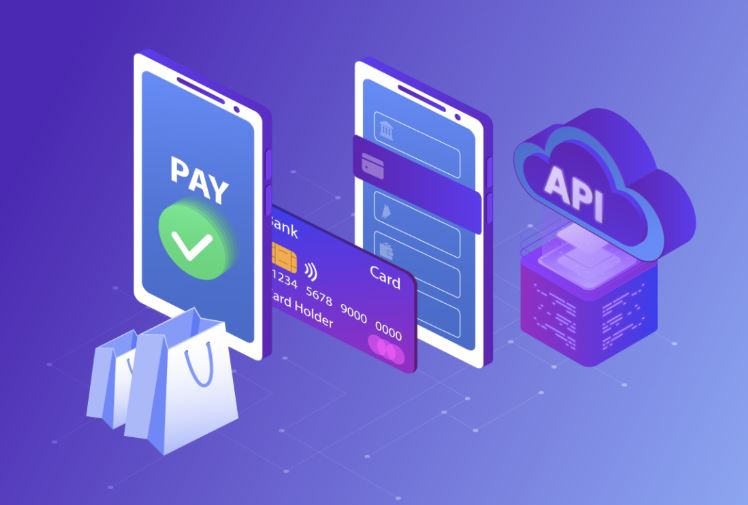
Think of a payment plugin as a bridge. It connects your website to payment processors. When someone buys from your store, the plugin handles the transaction securely. Moreover, it keeps customer information safe during the process.
Many store owners struggle with payment issues. Customers abandon carts when checkout is too complicated. A simple, fast payment system fixes this problem. Therefore, choosing the right solution matters for your business success.
Why Payment Processing Matters So Much
Here’s the thing about online shopping. People want convenience. They expect to pay quickly and safely. If your checkout takes too long, they’ll leave. In fact, studies show that complicated checkouts lose sales every single day.
Additionally, security is huge. Customers worry about credit card fraud. They need to trust your site before entering payment details. A professional payment plugin builds that trust instantly.
Key Features to Look For
When shopping for a payment solution, certain features are essential. First, look for multiple payment options. Some customers prefer credit cards. Others like PayPal or digital wallets. Furthermore, younger shoppers often use buy-now-pay-later services.
Second, mobile compatibility is crucial. Most people shop on their phones now. Your payment plugin should work perfectly on small screens. Otherwise, you’re missing out on tons of sales.
Third, consider transaction fees carefully. Every plugin charges differently. Some take a percentage of each sale. Others charge monthly fees. Calculate which option saves you more money in the long run.
Security Should Be Your Top Priority
Let me be honest with you. Payment security isn’t optional anymore. Hackers target online stores constantly. One data breach can destroy your reputation overnight.
Look for plugins with strong encryption. They should be PCI compliant at minimum. This means they follow strict security standards for handling card information. Also, two-factor authentication adds extra protection.
Many modern payment plugins include fraud detection tools. These systems flag suspicious transactions automatically. As a result, you avoid chargebacks and stolen card problems.
Speed Makes a Huge Difference
Nobody likes waiting. Slow checkout pages frustrate customers immediately. They’ll click away to faster competitors instead.
A quality payment plugin processes transactions in seconds. The page loads quickly without annoying delays. Furthermore, it doesn’t redirect customers to confusing external pages. Everything happens smoothly on your site.
Managing Multiple Payment Methods
Here’s something important to understand. Different customers prefer different payment methods. Some regions use specific local payment systems. International customers might need currency conversion.
The best payment plugin handles all these variations easily. It automatically shows relevant payment options based on customer location. Meanwhile, you don’t need to manage multiple separate systems.
This flexibility increases your sales significantly. When customers see their preferred payment method, they’re more likely to complete the purchase.
Integration With Your Store Platform
Your payment solution needs to work with your existing setup. Most store owners use platforms like WooCommerce, Shopify, or Magento. Fortunately, popular payment plugins integrate with these systems seamlessly.
Installation should be straightforward. You shouldn’t need a developer for basic setup. Good plugins offer clear instructions and helpful support teams. In addition, they update automatically to stay compatible with platform changes.
The Real Cost of Payment Processing
Let’s talk money honestly. Every transaction costs you something. Payment plugins charge fees in different ways. Understanding these costs helps you choose wisely.
Some charge per transaction only. Others combine monthly fees with smaller transaction costs. Calculate your average sales volume first. Then compare which pricing model works better for your business size.
Also, watch for hidden fees. Some plugins charge extra for refunds or currency conversion. Read the fine print carefully before committing.
Customer Experience Is Everything
Your payment plugin directly affects how customers feel about your store. A smooth checkout creates happy customers who return. Conversely, a clunky payment process drives them away permanently.
Think about big successful stores. Their checkouts are simple and fast. They offer guest checkout options. Customers can save payment information for next time. These small details add up to better sales.
Mobile Shopping Continues Growing
More people shop on phones every year. Your payment system must work flawlessly on mobile devices. Buttons should be easy to tap. Forms should be simple to fill out on small screens.
Additionally, mobile wallets like Apple Pay and Google Pay are increasingly popular. Supporting these options makes mobile checkout even faster. Consequently, you capture sales from on-the-go shoppers.
Handling Refunds and Disputes
Returns happen in every business. Your payment plugin should make refunds easy to process. You’ll need to issue refunds quickly sometimes. A good system lets you do this in just a few clicks.
Furthermore, dispute management matters. When customers dispute charges, you need proper documentation. The right payment plugin keeps detailed transaction records automatically. This protects you during chargeback disputes.
International Sales Opportunities
Selling globally opens huge opportunities. However, international payments bring complications. Currency conversion, regional payment methods, and local regulations all matter.
A robust payment plugin handles these challenges smoothly. It converts currencies automatically at fair rates. It supports popular payment methods from different countries. This way, you can sell worldwide without headaches.
Support and Reliability
Technical problems with payments are serious. When the payment system goes down, you lose sales immediately. Therefore, reliability is non-negotiable.
Choose a payment plugin with excellent uptime records. Additionally, look for responsive customer support. You need help available when payment issues arise. Email support is okay, but live chat or phone support is better.
Making Your Final Decision
Choosing the right payment plugin takes research. Start by listing your specific needs. Consider your budget, sales volume, and customer base. Then compare several options carefully.
Read reviews from other store owners. Check how long the company has been operating. Test the checkout process yourself before going live. These steps help you avoid costly mistakes.
Remember, your payment system is critical for business success. It’s worth investing time to get it right. The perfect payment plugin pays for itself through increased sales and fewer abandoned carts.
Your customers deserve a smooth, secure checkout experience. Give them that, and they’ll keep coming back to buy more.