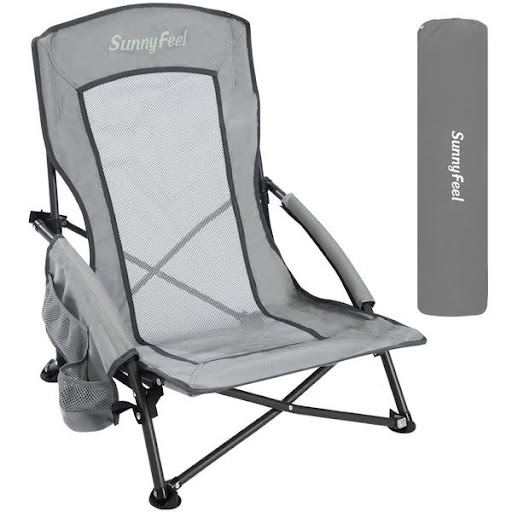
Picture this: you’re finally at your long-awaited camping spot, surrounded by nature’s beauty, but after just an hour sitting by the fire, your back aches and your flimsy chair feels ready to collapse. This scenario is all too familiar for outdoor enthusiasts who’ve learned the hard way that inadequate seating can turn a perfect adventure into an uncomfortable ordeal. The quality of your outdoor furniture directly impacts how much you enjoy your time in nature, whether you’re watching a sunset, reading by the lake, or sharing stories around the campfire. A heavy-duty ergonomic camping chair addresses these frustrations head-on, combining robust construction with body-supporting design to transform your outdoor experience. For hikers, campers, and anyone who loves spending extended time outdoors, investing in proper seating isn’t just about luxury—it’s about protecting your body while maximizing enjoyment. This essential piece of gear ensures that discomfort won’t cut short your adventures or leave you dreading the next trip.
Understanding Heavy-Duty Ergonomic Camping Chairs: The Foundation of Outdoor Comfort
A heavy-duty ergonomic camping chair combines two critical elements that separate premium outdoor seating from basic folding chairs. The “heavy-duty” aspect refers to construction built to withstand significant weight and repeated use, typically featuring reinforced steel or aircraft-grade aluminum frames capable of supporting 300 to 500 pounds. These chairs utilize industrial-strength fabrics like 600-denier polyester or ripstop nylon that resist tears, UV damage, and moisture. The “ergonomic” component addresses how the chair supports your body’s natural alignment. This includes contoured seats that distribute weight evenly, integrated lumbar support to maintain spine curvature, padded armrests positioned at proper heights, and adjustable reclining mechanisms that let you customize your sitting angle. Unlike standard camping chairs that force you into one position, ergonomic designs adapt to your body rather than making your body adapt to them. The marriage of these qualities creates seating that won’t buckle under stress while actively preventing the muscle fatigue and joint pain that plague outdoor enthusiasts during extended sitting periods. For anyone planning multi-day camping trips, festival attendance, or lengthy fishing sessions, understanding these foundational characteristics helps explain why investing in quality seating pays dividends in comfort and longevity.
Key Features of Heavy-Duty Design for Longevity
Heavy-duty construction manifests through several tangible features that extend a chair’s functional lifespan. Reinforced joints use double-riveting or welded connections rather than simple screws, preventing wobbling that leads to catastrophic failure. Weather-resistant powder coating on metal frames stops rust formation even after exposure to rain or morning dew. High weight capacities aren’t just about accommodating larger individuals—they indicate overbuilt engineering that provides safety margins for all users. Thick-gauge tubing in frames resists bending under stress, while reinforced stitching at fabric stress points prevents tearing where seat material meets the frame. These features collectively ensure your chair survives rocky terrain, sandy beaches, and years of being packed and unpacked without compromising structural integrity.
Ergonomic Benefits for Enhanced Outdoor Relaxation
Ergonomic design directly translates to physical benefits that transform your outdoor experience. Proper lumbar support maintains the spine’s natural S-curve, preventing the lower back compression that causes pain after prolonged sitting. Contoured seats reduce pressure on thighs and promote healthy circulation, eliminating the numbness common with flat seating surfaces. Adjustable reclining positions let you shift angles throughout the day, alternating between upright postures for eating and reclined positions for stargazing without changing seats. Padded headrests reduce neck strain during extended relaxation periods. These features work synergistically to let you remain comfortably seated for hours, whether you’re tending a campfire, reading, or simply enjoying nature without the constant need to stand and stretch away discomfort.
Why Outdoor Enthusiasts Rely on Durable and Portable Seating Solutions
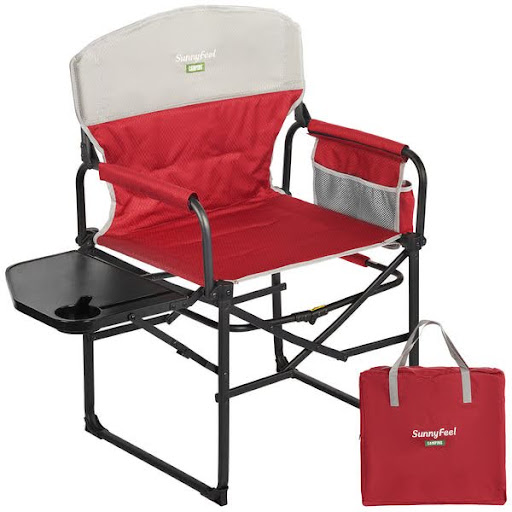
Outdoor enthusiasts face unique seating challenges that standard furniture simply cannot address. Hikers reaching remote campsites need chairs light enough to carry yet sturdy enough for uneven ground. Anglers spending dawn-to-dusk sessions by the water require seating that won’t sink into soft banks while supporting hours of patient waiting. Festival-goers navigating crowded venues need compact solutions that unfold quickly and withstand jostling crowds. Heavy-duty ergonomic camping chairs solve these pain points through purposeful engineering. Their collapsible designs compress into manageable carrying bags without sacrificing structural integrity when deployed. Reinforced legs distribute weight across wider footprints, preventing the sinking and tipping that plague lightweight alternatives on sand, mud, or gravel. The portability factor extends beyond weight—quality chairs balance durability with packability, using telescoping frames and removable components that fit into backpacks or vehicle storage without dominating space. For enthusiasts who venture beyond established campgrounds into backcountry terrain, this combination proves invaluable. The gear must endure being strapped to packs during rugged hikes, withstand exposure to temperature extremes and precipitation, then provide reliable comfort after demanding journeys. Investing in outdoor furniture designed specifically for these rigorous conditions means your seating won’t become a liability that limits where you explore or how long you stay.
Addressing Comfort Needs in Diverse Outdoor Settings
Different outdoor activities demand specific comfort considerations that ergonomic camping chairs uniquely address. Around evening campfires, reclined positions with headrests let you gaze at stars without neck strain while staying warm near flames. During lakeside fishing sessions, chairs with higher seat positions reduce knee stress when standing to cast and provide better sightlines across water. At outdoor concerts or sporting events, compact models with lower profiles respect venue rules while armrests prevent shoulder fatigue during lengthy performances. When selecting chairs, match features to your primary activities: choose models with side tables for activities requiring accessible gear, opt for wider seats if you’ll be layering cold-weather clothing, and prioritize quick-setup mechanisms for activities involving frequent location changes throughout the day.
The Role of Durability in Reliable Camping Gear
Durability transcends mere longevity—it defines whether gear remains functional when you need it most. A chair that fails mid-trip in remote locations creates safety concerns and forces uncomfortable improvisation. Weather-resistant construction ensures your seating survives unexpected rainstorms without developing mold or weakened joints. Abrasion-resistant fabrics withstand contact with rough surfaces like tree bark, rocks, and gravel that shred inferior materials. For frequent outdoor users, durability represents cost-efficiency over time, as quality chairs outlast multiple cheaper replacements while maintaining performance. This reliability proves especially critical for enthusiasts whose outdoor pursuits depend on dependable equipment that won’t compromise adventures through preventable failures.
How to Choose the Best Heavy-Duty Ergonomic Camping Chair: A Buyer’s Guide
Selecting the right heavy-duty ergonomic camping chair requires systematic evaluation of features against your specific outdoor needs. Begin by assessing your primary activities—backpacking demands ultra-portable designs under five pounds, while car camping allows heavier models with enhanced comfort features. Next, determine your weight capacity requirements by adding a safety margin of at least 100 pounds above your body weight to account for dynamic stress and gear storage. Examine the frame construction closely, checking for welded joints rather than bolted connections and verifying tube thickness exceeds standard gauge. Test the ergonomic features in person when possible: sit fully back to evaluate lumbar support effectiveness, check that armrests align with your natural elbow position, and operate reclining mechanisms to ensure smooth adjustment. Consider setup complexity—quality chairs should deploy in under 30 seconds without requiring instructions. Evaluate packability by measuring collapsed dimensions against your vehicle or pack space, remembering that carrying bags should include padded straps for comfortable transport. Read user reviews focusing on long-term durability reports rather than initial impressions, paying attention to comments about fabric wear, frame integrity after seasons of use, and manufacturer warranty responsiveness. Finally, balance your budget against frequency of use: occasional campers can opt for mid-range options, while weekly outdoor enthusiasts should prioritize premium construction that justifies higher initial costs through extended lifespan and superior comfort during countless hours of use.
Key Factors to Consider: Material, Weight, and Portability
Frame material fundamentally impacts durability and portability balance. Aircraft-grade aluminum offers exceptional strength-to-weight ratios, resisting corrosion while keeping chairs portable for hiking, though it costs more than steel alternatives. Powder-coated steel provides maximum stability and weight capacity at lower prices but adds pounds that matter during transport. Fabric selection matters equally—600-denier polyester withstands abrasion and UV exposure better than 300-denier alternatives, while breathable mesh panels enhance comfort in hot climates but may sacrifice cold-weather insulation. Evaluate total weight against your transport method: backpackers should target chairs under four pounds, while vehicle campers can accommodate six to eight-pound models offering enhanced features. Assess portability through packed dimensions rather than weight alone, ensuring collapsed chairs fit your storage constraints. Check for included carrying systems with padded shoulder straps that distribute weight comfortably during longer carries from parking areas to campsites.
Comparing Features for Optimal Outdoor Performance
Beyond core construction, supplementary features significantly impact daily usability. Integrated cup holders prevent spills and keep beverages within reach during relaxation, while side storage pockets organize essentials like phones, books, or sunscreen. Reclining mechanisms range from fixed positions to infinite adjustment—multi-position locks offer versatility for different activities throughout the day. Footrests transform chairs into loungers for extended relaxation but add weight and complexity. Consider environmental features: chairs with wider leg spreads provide stability on soft ground, while rubber feet prevent slipping on hard surfaces. Create a personal checklist prioritizing must-have features against nice-to-have additions. Test weight distribution by sitting fully reclined—quality designs maintain balance without tipping backward. Verify that all moving parts operate smoothly without catching or requiring excessive force, as mechanisms that struggle when new will worsen with use and exposure to outdoor elements. Brands like SunnyFeelOutdoor have developed models that integrate these features thoughtfully, balancing functionality with portability for various outdoor scenarios.
Practical Solutions for Maximizing Your Outdoor Seating Experience
Owning a quality heavy-duty ergonomic camping chair represents just the first step—maximizing its performance requires proper deployment and care strategies. Begin by selecting appropriate ground surfaces: seek level terrain free from sharp rocks or debris that could puncture fabric or destabilize legs. On soft surfaces like sand or mud, place wide base plates under chair legs to distribute weight and prevent sinking, or position the chair atop a ground tarp for added stability. Adjust ergonomic settings before fully settling in—set lumbar support to match your lower back curve, position armrests so shoulders remain relaxed rather than elevated, and test recline angles to find positions that support your intended activity. During use, periodically shift positions even in ergonomic chairs to promote circulation and prevent stiffness during marathon sitting sessions. When temperatures drop, layer insulated seat cushions over chair fabric to retain body heat without compromising support. For windy conditions, secure chairs by staking attached loops or adding weight to storage pockets. After each outing, inspect frames for loosened connections and fabric for emerging tears, addressing minor issues immediately before they escalate into failures. Clean chairs promptly after exposure to saltwater, mud, or spilled beverages using mild soap and water, allowing complete air-drying before storage to prevent mildew. Store chairs in climate-controlled spaces when possible, keeping them away from temperature extremes that degrade materials over time. These proactive practices ensure your investment delivers consistent comfort across countless outdoor adventures while maintaining the structural integrity that justifies premium construction costs.
Step-by-Step Guide to Setting Up and Using Your Chair Safely
Proper setup begins with fully extending the frame until locking mechanisms audibly click into place—never assume deployment is complete without verification. Inspect all connection points visually, ensuring joints are fully engaged and fabric sits taut without bunching. Position the chair on cleared ground, removing stones or sticks from the footprint area. Test stability by pressing down on armrests before sitting, checking for wobbling that indicates uneven leg contact. When sitting, lower yourself gradually while centered over the seat rather than dropping weight suddenly from one side. Adjust lumbar support by positioning built-in cushions against your lower back, then fine-tune recline angle for your activity. Keep weight distributed evenly—avoid leaning heavily on single armrests or perching on seat edges. When rising, use armrests for support while keeping your center of gravity forward to prevent backward tipping.
Maintenance Tips for Long-Lasting Durability and Performance
Extend your chair’s lifespan through consistent maintenance routines after each trip. Wipe down frames with damp cloths to remove dirt and salt that corrode protective coatings, paying special attention to joints where grit accumulates. Brush fabric seats to dislodge embedded debris before it abrades fibers. Apply silicone lubricant to moving parts like recline mechanisms annually to maintain smooth operation. Inspect stitching at stress points, using fabric repair tape on minor separations before they expand. Store chairs loosely folded in breathable bags rather than compressed tightly, which stresses fabrics and joints unnecessarily. Check frame tubes for developing cracks or bends, particularly after impacts during transport. Tighten any loosened bolts or rivets using appropriate tools. For chairs with removable fabric, launder according to manufacturer specifications to refresh appearance without degrading water-resistant treatments. Address rust spots immediately by sanding affected areas and applying touch-up paint to prevent spreading.
Investing in Quality Outdoor Seating for Enhanced Adventures
A heavy-duty ergonomic camping chair stands as essential equipment for outdoor enthusiasts who refuse to compromise comfort for adventure. Throughout this guide, we’ve explored how these specialized chairs combine reinforced construction with body-supporting design to address the specific challenges faced during camping, hiking, fishing, and other outdoor pursuits. The durability provided by premium materials and engineering ensures your investment withstands years of rigorous use across diverse terrains and weather conditions, while ergonomic features actively prevent the back pain, muscle fatigue, and circulation issues that plague users of standard seating. Portable yet robust, these chairs solve the fundamental problem of inadequate outdoor furniture that limits how long you can comfortably enjoy nature. By carefully selecting a chair that matches your activities, properly maintaining it through simple care routines, and deploying it strategically in various outdoor settings, you transform every camping trip, lakeside afternoon, or festival experience into something genuinely restorative rather than physically taxing. Investing in quality outdoor furniture isn’t an indulgence—it’s a practical decision that protects your body while expanding the possibilities of where you explore and how fully you engage with the natural world. Your next outdoor adventure deserves seating that works as hard as you do.