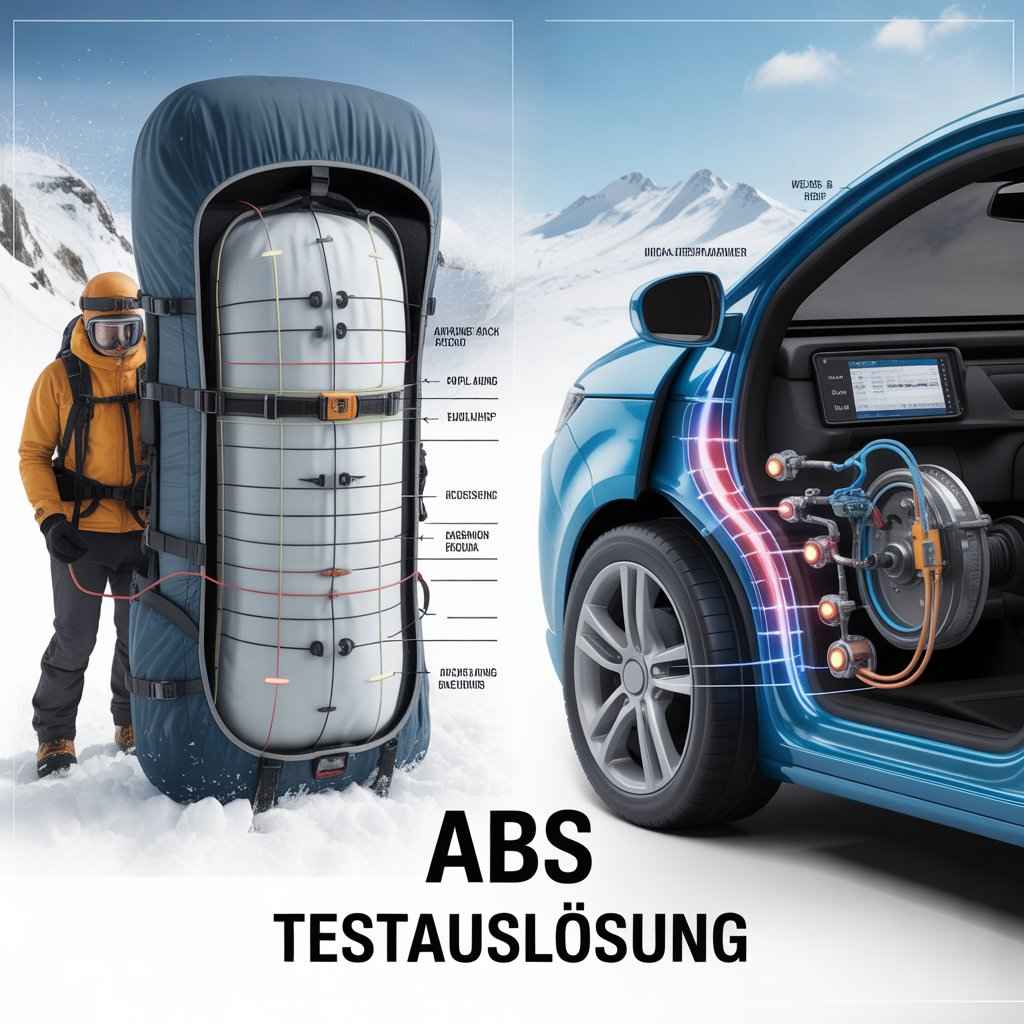
The term ABS Testauslösung often sparks curiosity due to its multiple applications across different fields. Primarily, it refers to the testing and activation processes that verify the readiness and performance of safety systems. Whether in outdoor gear, vehicles, or healthcare, understanding ABS Testauslösung is crucial for ensuring reliability and preventing failures. In this article, we’ll explore its most common interpretations, drawing from practical scenarios without adding unsubstantiated information. By the end, you’ll have a clear grasp of how this concept plays a vital role in everyday safety.
ABS Testauslösung in Avalanche Backpacks
One of the most frequent uses of ABS Testauslösung is in the context of ABS Lawinenrucksack, which are specialized backpacks designed for avalanche protection. These rucksacks feature an airbag system that inflates during an emergency to help users stay on the surface of snow slides.
The primary purpose of the ABS Testauslösung here is to confirm that the airbag folds correctly after use or during routine checks, ensuring the entire mechanism operates flawlessly. This process typically follows a real deployment or a practice session, where the backpack undergoes a full repack by professionals, often the manufacturer.
During the procedure, an empty cartridge is replaced with a fresh one, and the trigger handle receives a new red seal to signal that it’s primed for action again. This step is essential for maintaining the backpack’s life-saving potential, as any oversight could compromise its effectiveness in harsh mountain environments.
ABS Testauslösung in Automotive Braking Systems
In the automotive world, ABS Testauslösung commonly describes the activation or self-checking of the Anti-Blockier-System (ABS), a critical feature in modern vehicles that prevents wheels from locking during sudden stops.
How the Automotive ABS Works
The ABS comprises key components like wheel sensors at each tire, an electronic control unit (ECU), and a hydraulic module that adjusts brake pressure. When braking, these sensors monitor wheel speeds continuously. If one wheel slows down faster than others, indicating a potential lock-up, the system triggers the ABS Testauslösung. This involves rapidly increasing and decreasing brake pressure to maintain traction and allow steering control.
When Does ABS Testauslösung Occur?
Activation happens in specific situations to enhance vehicle stability:
- Intense Braking Maneuvers: During emergency stops, the system detects imminent wheel lock and intervenes to keep the car controllable.
- Challenging Road Conditions: On slippery surfaces like wet pavement, ice, or gravel, wheels lose grip easily, prompting quicker ABS Testauslösung to avoid skidding.
- Varying Wheel Speeds: If wheels rotate at uneven rates while braking, the ECU identifies the imbalance and activates the system for balanced stopping.
Drivers often notice this through a vibrating brake pedal or subtle noises like clicking or humming, which are normal signs of the system at work.
Self-Test in Vehicles
Beyond active braking, vehicles perform an automatic ABS Testauslösung upon startup. The ABS warning light briefly illuminates and extinguishes if everything checks out. A persistent light signals issues, such as faulty sensors, requiring professional inspection to restore functionality.
Importance of ABS Testauslösung
This mechanism is a game-changer for road safety. Without it, locked wheels could cause loss of control, leading to skids or accidents. By preserving steering ability during hard braking, ABS Testauslösung helps avert collisions and protects lives.
In the middle of our discussion on automotive applications, here are the main points to remember about ABS Testauslösung in cars:
- It prevents wheel lock-up for better control.
- Sensors and ECU enable real-time adjustments.
- Common triggers include sudden stops and poor traction.
- Normal sensations include pedal pulses and sounds.
- Differentiate from warning lights, which indicate faults.
These core elements highlight why regular system checks are non-negotiable for drivers.
ABS Testauslösung in Medical Contexts
Shifting to healthcare, ABS Testauslösung can relate to the FTA-ABS Test, a diagnostic tool for detecting syphilis. This stands for Fluorescent Treponemal Antibody Absorption, a blood test that identifies antibodies against the bacteria causing the infection.
The test’s role is to provide accurate confirmation, especially in cases where initial screenings are inconclusive. It works by absorbing non-specific antibodies and then using fluorescence to highlight syphilis-specific ones, offering high reliability for diagnosis.
Comparing the Different Meanings of ABS Testauslösung
To tie it all together, ABS Testauslösung varies by context but always emphasizes verification and readiness:
- In ABS Lawinenrucksack, it’s about post-use repacking and cartridge renewal for avalanche safety.
- For vehicles, it covers both startup self-tests and dynamic braking activations to maintain stability.
- Medically, it’s a precise antibody detection method for syphilis.
While the avalanche backpack interpretation is the most common in outdoor discussions, automotive uses dominate in everyday vehicle maintenance talks. Choosing the right context depends on the scenario—be it mountains, roads, or labs.
Conclusion: Why Understanding ABS Testauslösung Matters
Grasping ABS Testauslösung empowers users to prioritize safety across domains. For backpack owners, it means reliable gear in emergencies; for drivers, confident handling in crises; and in medicine, accurate health insights. Always consult experts for hands-on checks, as proper execution prevents mishaps. By staying informed, you ensure these systems deliver when it counts most.