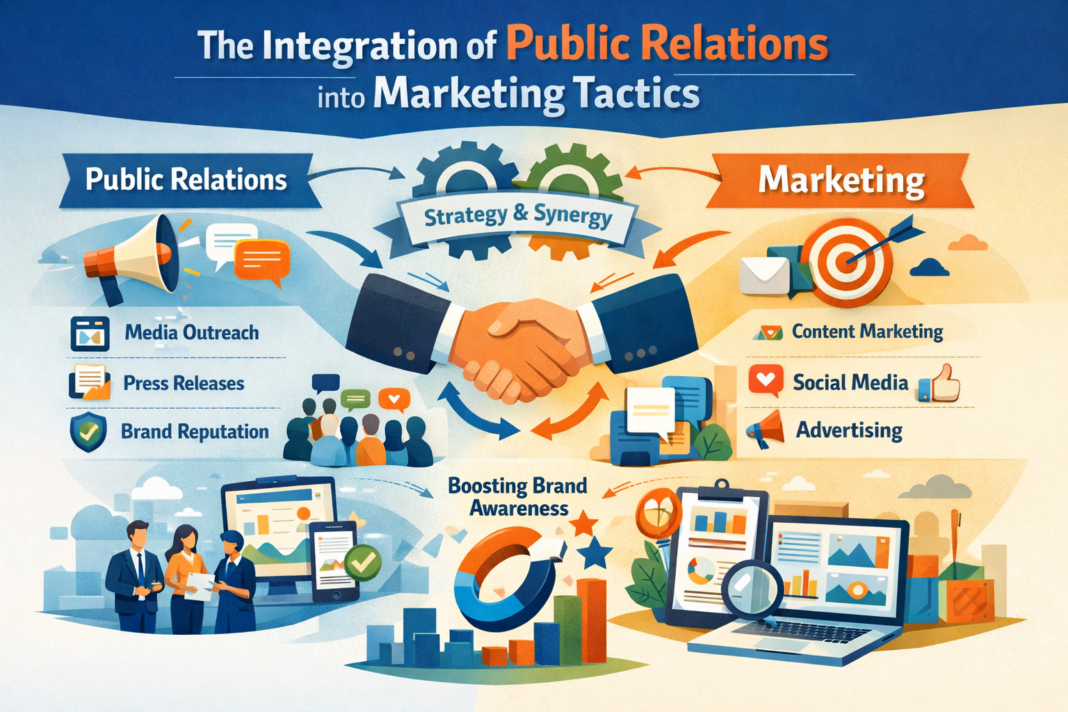
Public Relations (PR) plays a crucial role in the success of modern marketing strategies. While marketing is often seen as directly promoting a product or service, public relations focuses on building a favorable image and relationship between a company and its audience. By understanding how PR integrates with marketing, businesses can improve their outreach, trust, and overall brand recognition. This article explores the importance of public relations in marketing, its key functions, and how it can help companies connect with their target audience effectively.
What is Public Relations in Marketing?
Public relations in marketing refers to the strategic communication process that builds and maintains a positive image for a brand or company. It involves managing a company’s relationship with the public, including customers, media, investors, and other stakeholders. Unlike traditional advertising, PR focuses on cultivating trust, goodwill, and credibility rather than directly selling products or services.
PR activities include media relations, crisis management, event planning, content creation, and community engagement. These efforts work together to influence public perception, shape narratives, and create positive interactions with the target audience. PR also serves as a bridge between a company and its stakeholders, ensuring that messaging remains consistent, transparent, and aligned with the brand’s values. Learn more about the role of public relations in marketing.
Key Functions of Public Relations in Marketing
1. Building Brand Awareness
One of the most significant roles of PR in marketing is increasing brand awareness. PR professionals use media coverage, press releases, and influencer partnerships to get the word out about a company’s products or services. This not only informs the public but also helps to establish a company’s reputation as a credible and reliable entity in its industry.
For example, when a new product is launched, PR teams may organize press conferences, issue press releases, and collaborate with journalists and influencers to generate buzz and draw attention to the product. This kind of organic exposure can be more effective than paid advertisements because it comes from trusted sources, like media outlets or influential figures.
2. Managing Reputation
A company’s reputation is its most valuable asset. Public relations plays an essential role in maintaining and protecting that reputation. Through regular communication, PR teams can shape how the public views a brand and manage its image, especially during challenging times.
For instance, if a company faces a crisis such as a product recall or a public relations mishap PR professionals are tasked with managing the situation, communicating transparently, and ensuring that the public understands how the company is addressing the issue. By managing these crises effectively, companies can prevent long-term damage to their reputation.
3. Enhancing Customer Trust and Loyalty
Consumers today are more likely to trust brands that are transparent, authentic, and socially responsible. Public relations can help a company build these qualities by ensuring consistent, honest communication. PR efforts can focus on telling compelling stories about the company’s values, community involvement, and customer care.
Through media interviews, social media campaigns, and thought leadership content, businesses can demonstrate their commitment to customer satisfaction and ethical business practices. This, in turn, helps to foster customer loyalty, as individuals are more likely to support companies that align with their own values and interests.
4. Creating Positive Media Coverage
A critical aspect of PR is creating media coverage that portrays the company positively. Public relations teams build relationships with journalists and media outlets to secure favorable stories about the company. Unlike paid advertising, media coverage is seen as more credible because it is perceived as unbiased.
For example, if a company sponsors a charity event, PR professionals might pitch the story to local or national media, showcasing the company’s commitment to social causes. This type of media coverage can enhance the company’s image and attract potential customers who value corporate social responsibility.
5. Influencing Public Perception
Public relations influences public perception by carefully crafting and disseminating messages that shape how a company is viewed. Through strategic content creation, media outreach, and public appearances, PR efforts aim to position a company as a leader in its field or a trusted advisor to its audience.
PR teams often work closely with marketing departments to ensure that all messaging aligns with the company’s overall marketing strategy. By effectively coordinating these efforts, companies can create a unified and strong brand presence across all touchpoints, from advertisements to social media to public statements.
The Intersection of Public Relations and Marketing
While public relations and marketing are two distinct fields, they often overlap and complement each other. Marketing focuses on driving sales and promoting products directly, while public relations works on building relationships and trust with the public. However, the two disciplines often work together to achieve common goals.
For example, a PR campaign that generates media coverage for a product launch can enhance the success of a marketing campaign by creating awareness and interest in the product. Similarly, marketing efforts that promote a company’s values or social initiatives can provide valuable content for PR professionals to use in media outreach and public statements.
PR in Digital Marketing
In the digital age, PR is becoming increasingly intertwined with digital marketing. Social media platforms, blogs, podcasts, and other online channels provide a new space for companies to interact with their audience and promote their messages.
Public relations professionals now monitor online conversations, engage with influencers, and create content that can go viral. These digital PR efforts complement traditional marketing strategies by expanding reach and engaging with a broader audience. Online reviews, customer testimonials, and user-generated content can also contribute to a company’s reputation and enhance its marketing efforts.
Conclusion
Public relations is an integral component of any successful marketing strategy. It works to build and maintain a company’s reputation, increase brand awareness, and foster trust and loyalty with customers. Through strategic media coverage, crisis management, and effective communication, PR professionals help shape public perception and ensure that a company’s message resonates with its target audience.
By understanding the role of public relations in marketing, businesses can leverage PR to complement their marketing efforts, enhance customer engagement, and ultimately drive long-term success. PR may not always be as direct as marketing, but its impact on brand perception and customer trust makes it an invaluable tool in the modern marketing toolkit.
Learn more about the role of public relations in marketing to see how integrating PR can help your business reach its goals.