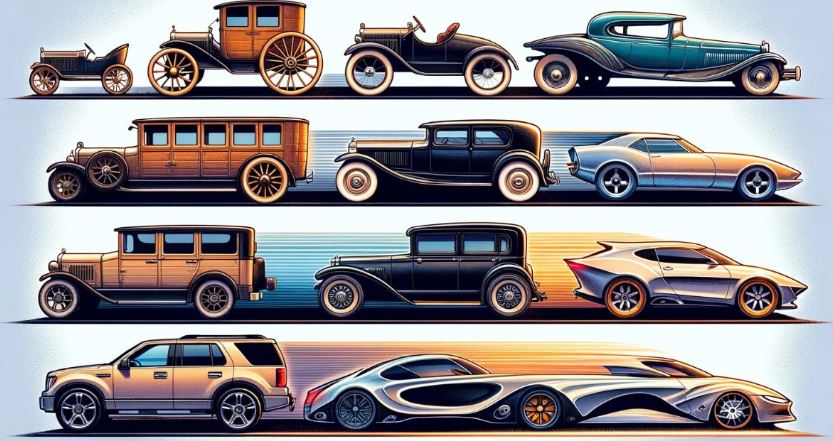
Automotive design is a visually captivating reflection of progress—from craftsmanship rooted in utility to the tech-infused sophistication of today. As generations have passed, car design has reimagined itself with every decade. Each innovative leap emerged from a marriage of advancing engineering, evolving lifestyles, and shifting cultural identities. When examining historic vehicles, such as the 1949 Lincoln, enthusiasts can see how post-war prosperity and changing consumer attitudes shaped not just the curves and chrome, but the very spirit of the automobile.
From the angular fenders and proud grilles of the 1940s to the flowing silhouettes and sleek dashboards of modern EVs, each era left a lasting imprint on the roads and in the collective imagination. Bold tailfins and muscle cars, elegant luxury sedans, and the emergence of digital-first, connected vehicles: the history of automotive design is also the history of our drive for innovation.
Today, vintage cars and classic models continue to be symbols of their time, inspiring new generations of designers and collectors. These vehicles embody cultural optimism, engineering daring, and the pursuit of both beauty and function. The journey of car design is as dynamic as the vehicles themselves, shaped by changing fuels, technologies, and the persistent dreams of their creators.
This rich history is not only captivating for auto enthusiasts but also serves as a lens to understand broader technological and cultural shifts. The arc of automotive design, traced across decades, reveals the endless possibilities of mobility.
The 1940s: Post-War Elegance
As World War II came to a close, automakers resumed passenger vehicle production with a renewed emphasis on comfort and elegance. Streamlined shapes, lush interiors, and distinctive grilles signaled a transition from austerity to affluence. Families and individuals, seeking a sense of normalcy and prosperity, responded to these sophisticated designs. The use of chrome details, subdued yet refined ornamentation, and plush materials reflected a society eager to move forward into a new age of opportunity.
The 1950s: The Rise of Tailfins and Chrome
The arrival of the 1950s ushered in perhaps the automobile’s most iconic visual era. Inspired by the jet age and America’s fascination with space travel, automakers outdid one another with soaring tailfins, extravagant chrome bumpers, and pastel paint schemes. Cars grew longer and lower, embodying a bold optimism unique to this decade. These vehicles became rolling expressions of prosperity and a vision of a dazzling, high-tech future. Today, they symbolize the creativity that can emerge in periods of cultural confidence and economic growth.
The 1960s: Muscle Cars and Minimalism
By the 1960s, design priorities had shifted to emphasize performance and functional minimalism. Aggressive front ends, muscular lines, and improved aerodynamics heralded the arrival of the muscle car, while the parallel rise of compact, efficient cars reflected the growing urbanization and the desire for affordable personal mobility. A new balance was struck between raw power and restrained, functional aesthetics, responding to both social change and technological advances in engineering.
The 1970s: Embracing Aerodynamics
The oil crisis of the 1970s sparked a dramatic evolution: the pursuit of improved fuel efficiency. Designers streamlined car profiles, trading ornate chrome for smooth, aerodynamic lines. Wind tunnel testing informed shapes that used less fuel and helped set a practical tone for styling. Manufacturers focused on building vehicles that delivered both attractive aesthetics and essential efficiency, setting the stage for a new era of automotive design priorities.
The 1980s and 1990s: Technological Integration
This period was defined by the integration of rapidly improving technologies. Computer-aided design (CAD) has become a mainstream tool, enabling the creation of precise shapes and complex engineering solutions. Safety features like crumple zones and anti-lock brakes (ABS) transformed the mechanical and visual nature of vehicles. Cars began to adopt digital displays and the first wave of electronic systems. Design in these decades reflected an intersection of safety, efficiency, and emerging consumer tech expectations.
The 2000s: Retro Revival and Modern Classics
The turn of the century brought about a nostalgic resurgence as automakers introduced modern interpretations of classic cars. This retro revival celebrated heritage through advanced safety, performance, and infotainment systems. Popular models captured the look and feeling of earlier decades but with smarter, more efficient underpinnings. By blending the best of the past with cutting-edge innovation, manufacturers appealed to new generations of drivers and long-time enthusiasts alike.
The 2010s: Sustainability and Electric Revolution
Growing environmental awareness changed car design in fundamental ways by the 2010s. The electric vehicle (EV) boom required designers to rethink car proportions and interior layouts. Efficiency and lightness dominated, while sustainable manufacturing and materials gained mainstream acceptance. The new wave of vehicles was defined by silent motors, futuristic styling, and an ethos that combined style with environmental responsibility. Documentaries such as “Revenge of the Electric Car” documented this shift, highlighting how innovation in design also meant reimagining the car’s purpose in a changing world.
The 2020s: Autonomous and Connected Vehicles
Today’s vehicles are evolving into sophisticated mobility devices, shaped as much by software as by steel. The rise of autonomous driving, advanced driver assistance systems (ADAS), and always-connected infotainment is setting a new benchmark for intuitive, user-focused design. Cars are now designed around screens, sensors, and digital control, deeply integrating technology to enhance safety and comfort. The future of automotive aesthetics will see even greater convergence between digital design, artificial intelligence, and practical function.
Conclusion
Automotive design has always mirrored the ambitions and anxieties of its time. From craftsmanship and materials to aerodynamics and software, each leap forward tells a story that extends far beyond the factory. With electrification and automation on the horizon, the next chapter is set to be just as dynamic and visually exciting. For enthusiasts and industry observers alike, following these trends reveals not only where cars are headed, but also how culture itself is evolving.