Exploring the concept of God in everyday life has the potential to transform an individual’s sense of purpose, comfort, and worldview. Millions find strength and guidance from the idea of the divine, whether in moments of struggle or simple daily routines. For those seeking a deeper understanding, the ACIM concept of god explores how diverse traditions and philosophies frame divinity, encouraging contemplative practices and spiritual growth.
Incorporating this concept into daily existence is not about rigid doctrine, but about cultivating awareness: recognizing meaning in mundane moments, seeking connection, and acting with intention. Integrating such spirituality can relieve stress, foster gratitude, and shape the way one engages with the world. People from diverse backgrounds and beliefs have found that connecting with the idea of God fosters resilience, compassion, and clarity in the face of life’s uncertainties.
Recognizing God’s Presence in Everyday Life
For many people, acknowledging God in daily life begins with finding meaning and comfort in the ordinary. Pope Francis remarks that “God is present ‘in everyday things’,” from routine family rituals to spontaneous acts of kindness between strangers. The true impact of divinity, he argues, is often hidden in the commonest of experiences—reminding believers that spiritual connection is not necessarily found in extraordinary events, but is woven into the fabric of daily routines.
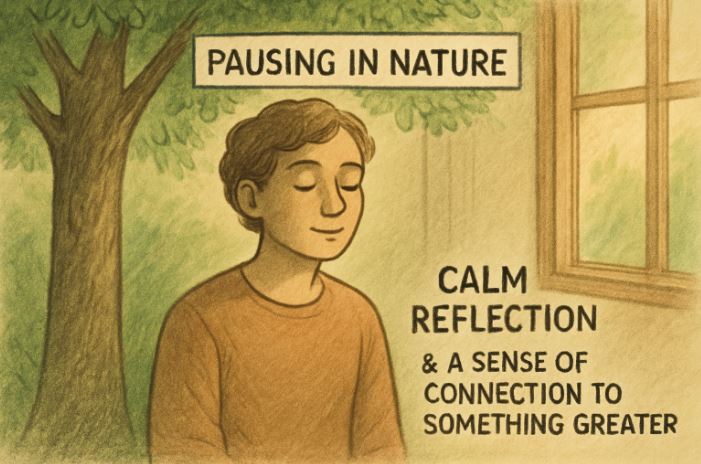
Awareness of the sacred can develop through practices such as pausing to express gratitude, seeking guidance in times of difficulty, or appreciating the beauty in nature. These small acknowledgments train the mind to see the world as interconnected and purposeful, encouraging mindfulness and humility. The sense of God’s presence—however one defines it—offers a touchstone for inner peace and ethical consistency, even in the bustle of modern life.
Theological Perspectives on God’s Interaction with the World
Theology offers diverse frameworks for understanding how God interacts with the world. Pandeism combines elements of pantheism and deism, positing that God has become the universe and is no longer separate, but immanent within all things. This perspective suggests that every aspect of existence may be viewed as a manifestation of the divine, encouraging individuals to treat life, nature, and one another with reverence.
Other traditions envision God as directly active—answering prayers, guiding choices, and orchestrating events according to a greater plan. Some see the divine as more subtle, working through conscience, intuition, and the natural laws of the universe. This diversity invites people to engage in honest exploration, personal reflection, and respectful dialogue about the sacred mysteries surrounding existence.
For those interested in broadening their understanding of how spirituality connects with well-being and community, Psychology Today offers resources on the intersection of psychology and spirituality.
Scientific Insights into the Concept of God
The influence of the concept of God on human thought and behavior is also a subject of scientific study. Research suggests that belief in a caring or protective God can foster positive psychological states, providing comfort, motivation, and a sense of safety. A notable study of American Christians found that when individuals contemplated a benevolent God, they were more likely to take “morally neutral” risks, suggesting that spiritual belief influences perceptions and decision-making in measurable ways.
The broader scientific community continues to explore the relationship between cognitive processes, cultural traditions, and belief in a higher power. While some findings indicate potential health and social benefits to religious and spiritual engagement, researchers stress the complexity and individuality of these experiences. Ultimately, the connection between neuroscience, psychology, and spirituality opens avenues for self-understanding and deeper engagement with life’s big questions.
Practical Ways to Integrate God into Daily Life
Embodying the concept of God in daily living is achievable through sustained intention, practice, and self-reflection. Concrete methods include:
- Mindful Reflection: Setting aside moments during the day to acknowledge and give thanks for the presence of God can promote a deeper sense of peace and awareness.
- Prayer and Meditation: Developing a routine of prayer or silent meditation invites clarity, comfort, and guidance, regardless of denominational background.
- Acts of Kindness: Viewing compassionate actions as expressions of divine love elevates ordinary interactions and strengthens moral resolve.
- Community Engagement: Participation in faith-based or values-driven communities fosters connection, accountability, and shared purpose—reminding individuals that spiritual growth often flourishes best in relationship with others.
By weaving these practices into one’s routine, individuals open doors to deeper meaning, a clearer sense of direction, and greater resilience when facing life’s challenges.
Conclusion
Integrating the concept of God into daily life enhances the way individuals experience the world, empowering them to navigate challenges, find joy in simple moments, and make decisions rooted in spiritual values. Whether through sacred traditions, theological exploration, or scientific inquiry into the effects of spirituality, cultivating awareness of the divine is a lifelong journey that continually enriches those who choose to pursue it.