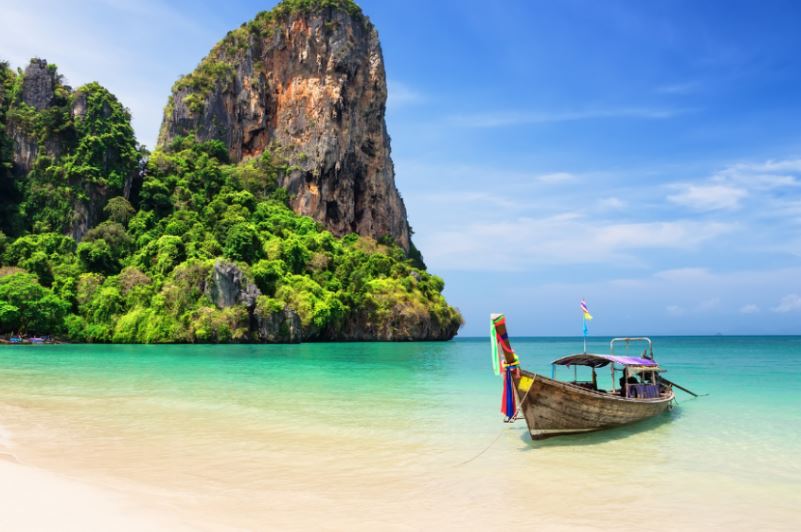
Thailand has long been a magnet for international tourists drawn to its lush jungles, tropical beaches, and vibrant culture. As global travelers become increasingly conscious of their environmental impact, the country is proving itself as a leader in sustainable tourism. A new wave of eco-friendly vacation spots is emerging across the region, combining natural beauty with practices that support conservation and local communities.
From the misty mountains of Chiang Mai to the turquoise waters surrounding the southern islands, Thailand has no shortage of destinations that are both breathtaking and sustainable. Popular eco-conscious spots include the island of Koh Phangan, where several accommodations are embracing green building techniques, solar energy, and water conservation systems. For travelers seeking a serene environment where sustainability is a priority, it’s worth experiencing a green holiday destination on this idyllic island.
Sustainable tourism in Thailand is about more than just energy-efficient accommodations. It also involves preserving natural habitats, supporting local economies, and reducing over-tourism through community-based initiatives. In northern Thailand, villages around Chiang Rai and Mae Hong Son offer ecotourism programs that invite visitors to stay with hill tribe communities. These experiences help preserve cultural heritage while providing an alternative income source for local families, ensuring that both people and ecosystems benefit.
Another outstanding example of eco-innovation can be found in Thailand’s national parks. Khao Sok National Park in southern Thailand, for instance, offers floating bungalows built from sustainable materials, surrounded by one of the oldest evergreen rainforests in the world. Collaborative conservation programs here work to protect endangered wildlife such as gibbons and hornbills, with visitor fees going back into environmental protection efforts.
Marine conservation also figures prominently in Thailand’s eco-tourism development. Sustainable diving schools in places like Koh Tao and the Surin Islands are taking steps to reduce coral damage, limit waste, and provide marine education programs. Practices like reef-safe sunscreen policies and limited dive group sizes help protect the fragile underwater ecosystems that attract so many snorkelers and divers to the region.
Eco-conscious travel extends beyond where you stay—it also influences how you experience a place. Green-minded tour providers are now offering bicycle excursions, jungle foraging lessons, and zero-waste cooking classes that encourage a deeper connection with the environment. These immersive activities not only reduce carbon footprints but also foster a respect for Thailand’s rich biodiversity.
Food, a central aspect of Thai culture, is also gaining a sustainable twist. Many eco-resorts and health retreats showcase organic, locally sourced cuisine crafted with traditional Thai herbs and ingredients. In places like Pai or Koh Lanta, farm-to-table dining experiences allow guests to understand where their food comes from, how it’s grown, and how organic farming benefits the land.
Choosing an eco-friendly vacation in Thailand doesn’t mean sacrificing luxury or comfort. On the contrary, many top-tier resorts now incorporate green technologies without compromising guest experience. Rainwater harvesting, greywater recycling, and composting programs are seamlessly integrated into sleek designs and landscaped settings, allowing guests to enjoy Thailand’s natural beauty responsibly.
As Thailand continues to prioritize environmental stewardship in tourism, travelers are responding with enthusiasm. Reviews increasingly highlight ethical practices and green amenities as key decision-making factors when selecting a destination. Social media accounts and influencer narratives are also shifting toward promoting destinations that honor the planet as much as they captivate the eye.
For those planning a trip, it’s helpful to do a bit of research. Look for tour operators certified by eco-labels such as Green Leaf Foundation or Travel life. Choose accommodations that are transparent about their environmental policies. And perhaps most importantly, travel mindfully—respect local customs, limit waste, and remember that every small choice contributes to a larger movement toward sustainable tourism.
Thailand offers an extraordinary range of eco-friendly travel experiences that allow visitors to reconnect with nature while supporting efforts to preserve it. Whether it’s sleeping beneath the stars in a forest reserve, kayaking through mangroves, or simply savoring local cuisine off a bamboo plate, Thailand makes it possible to take a truly green vacation without missing out on comfort or culture. Sustainable tourism here is more than just a trend—it’s establishing a legacy for future generations of both travelers and locals alike.