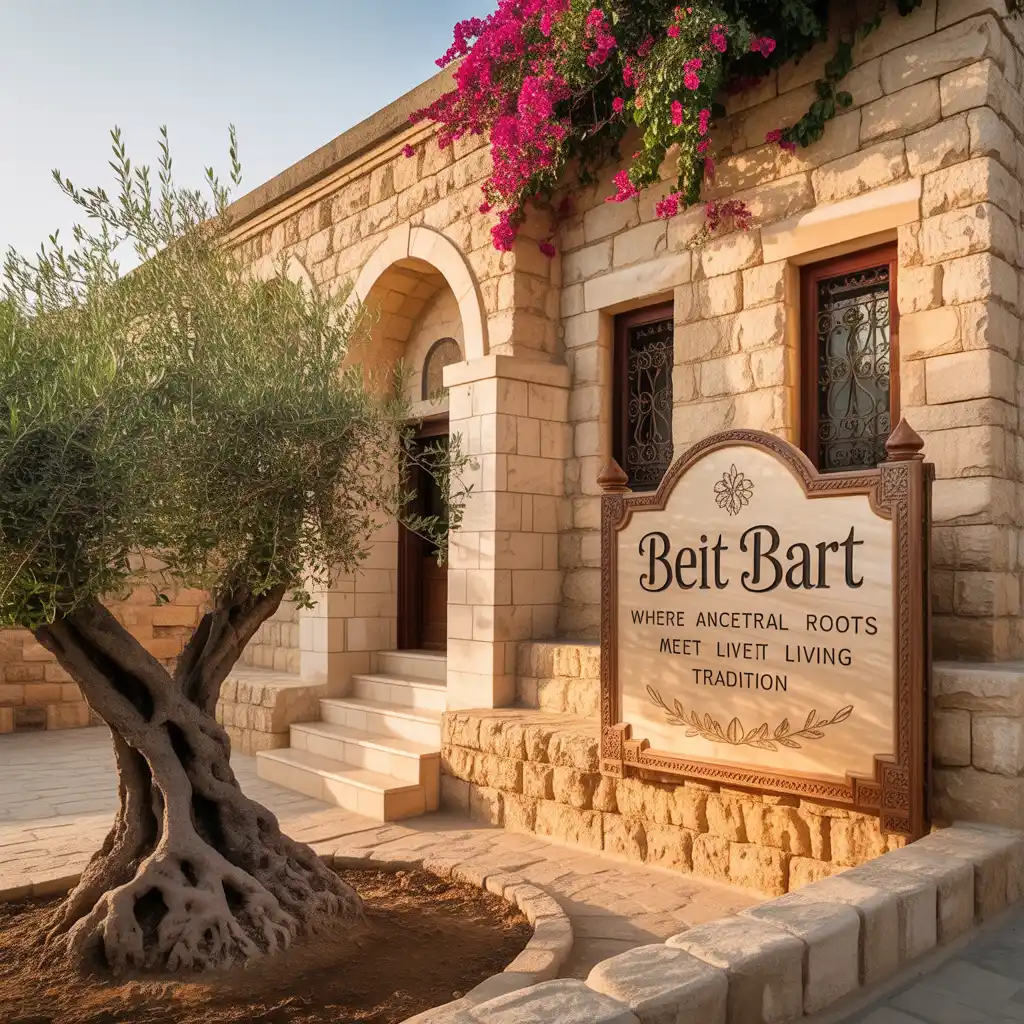
Introduction to Beit Bart
Beit Bart is more than just a name it represents a profound connection to heritage, tradition, and family. This enchanting concept, often linked to places of historical charm, invites exploration into shared spaces that foster community bonds. Whether viewed as a physical destination with ancient ruins and natural beauty, or as a symbolic idea of ancestral roots, Beit Bart captures the essence of cultural preservation. Drawing from its origins in languages where “Beit” means house or home in Arabic and Hebrew, and “Bart” implying son or descendant, it evokes a sense of belonging that resonates across generations. In various contexts, it might refer to a family name like Beitbart, or even a senior home such as Beit Barth in Jerusalem, emphasizing support and communal living. As we delve deeper, you’ll see how this term weaves together history, culture, and modern life in meaningful ways.
The Meaning and Origins of Beit Bart
At its core, Beit Bart embodies the idea of a ancestral home, blending linguistic roots with deep cultural significance. The term combines “Beit,” signifying a house or dwelling, with “Bart,” often interpreted as a reference to lineage or descendants. This fusion suggests ancestral roots and shared spaces for family, as noted in historical accounts from regions like Fillmore Township. Tracing back centuries, Beit Bart has symbolized family history and communal gatherings in Middle Eastern societies, where such places served as venues for life milestones, from weddings to memorials.
In many cultures, naming conventions like this reveal insights into societal values, highlighting warmth and inclusivity. Today, Beit Bart resonates with those seeking identity in a fast-paced world, reminding us that buildings are more than structures—they’re vessels for stories and connections. This concept has evolved, but its foundation in tradition remains steadfast, offering a lens into diverse cultural narratives.
Historical Significance of Beit Bart
The historical significance of Beit Bart spans eras, positioning it as a vital site for community and cultural exchange. In its early days, it functioned as a community hub, where people converged for social and ceremonial purposes. Architectural elements, such as stone houses with carved wooden doors and intricate designs, mirror the craftsmanship of past artisans, reflecting local customs and resilience.
Over time, Beit Bart witnessed pivotal events, from harvest celebrations to wartime assemblies, absorbing countless tales within its walls. Societal shifts have transformed its role, turning it from a simple family residence to a beacon of unity and endurance. Historians today study these layers to understand regional identities, viewing Beit Bart not just as a location but as a living testament to the human spirit’s adaptability. Its preservation efforts underscore the importance of honoring the past while navigating the present.
Key Main Points of Beit Bart
To capture the essence of Beit Bart, here are the primary highlights drawn from its rich tapestry:
- Cultural & Historical Significance: Encompasses traditional architecture like stone houses and serves as a community hub for events, storytelling, and preserving customs.
- Travel & Tourism: Features attractions such as ancient ruins, local markets with unique crafts, and scenic hiking trails, making it a hidden gem for authentic experiences.
- Other Meanings: Includes its role as a family name (e.g., Beitbart) and institutions like Beit Barth Senior Home in Jerusalem, focusing on elderly care and community support.
- Modern Interpretations: Appears in art, literature, and social media, blending tradition with contemporary expressions through festivals, music, and digital sharing.
- Regional Variations: Differs by area, with coastal gatherings emphasizing storytelling under stars, while rural ones highlight agricultural traditions and family feasts.
- Celebrations and Rituals: Involves sunset gatherings, elder-led narratives, traditional foods, music, dances, and symbolic decorations like candles for unity and hope.
These points illustrate how Beit Bart bridges heritage and modernity, fostering connections worldwide.
Beit Bart in Modern Culture and Society
In today’s world, Beit Bart has carved a niche in contemporary expressions, influencing art, literature, and visual media. Artists often draw on its themes of heritage and identity, creating works that explore personal and communal stories. Social media has amplified its reach, with users sharing photos, anecdotes, and interpretations, sparking a revival of interest in tradition.
Urban events inspired by Beit Bart attract diverse crowds, merging old customs with new twists—like fusion cuisine or modern dance performances. These gatherings promote inclusivity, allowing people to celebrate shared roots while adapting to societal changes. Globally, Beit Bart stands as a symbol of cultural legacy, evolving yet rooted in fellowship and unity, as referenced in sources like Frontier Info and The Crown Wings.
Regional Variations and Traditions of Beit Bart
Beit Bart showcases remarkable diversity across regions, with each locale infusing unique elements into its observance. In some areas, lavish family feasts center on traditional dishes that strengthen bonds through shared meals. Coastal communities might host waterside events, where storytelling unfolds under starry skies, blending folklore with the rhythm of waves.
Inland or rural settings often tie celebrations to the land, honoring farming practices with rituals that pay tribute to nature’s bounty. Music and dance vary too—vibrant in one place, serene in another—adding energy and joy. These adaptations keep Beit Bart dynamic, ensuring it remains relevant while preserving core values of community and tradition.
Celebrating Beit Bart: Customs and Rituals
Celebrations of Beit Bart pulse with energy and meaning, starting typically at sunset with families uniting in anticipation. Elders share ancestral tales, breathing life into history and connecting generations. Food takes center stage, with heirloom recipes featuring regional flavors that evoke nostalgia and togetherness.
Music fills the air as local performers play tunes rooted in the past, inviting everyone to dance and bond. Rituals like lighting candles or adorning spaces symbolize hope and solidarity, reinforcing cultural ties. These customs not only honor heritage but also ensure Beit Bart‘s spirit endures for future celebrants.
Travel and Tourism in Beit Bart
For travelers, Beit Bart offers an array of attractions that blend history with adventure. Explore ancient ruins that whisper stories of bygone eras, or wander local markets brimming with unique crafts. Scenic hiking trails provide breathtaking views, ideal for nature enthusiasts seeking tranquility.
As a hidden gem, it promises off-the-beaten-path experiences, from cultural immersions to relaxing amid stunning landscapes. Modern touches, like eco-friendly initiatives and tech aids for exploration, enhance visits without overshadowing authenticity.
Modernization and Accommodation in Beit Bart
Modernization in Beit Bart harmonizes progress with preservation. Art galleries and cafes coexist with historic sites, while sustainable practices protect the environment. Accommodations range from boutique hotels with luxurious views to family-run inns offering homemade meals and personal touches. Budget options like hostels ensure accessibility, all while providing easy access to key spots.
Why Beit Bart Should Be Your Next Destination
Beit Bart beckons as an ideal getaway, merging tradition with excitement. Whether hiking trails, savoring local cuisine, or engaging with welcoming locals, it offers memorable adventures. Its blend of past and present creates a welcoming vibe, making it perfect for those craving authentic cultural depth.
Conclusion
In summary, Beit Bart weaves a rich narrative of heritage, tradition, and community, from its historical roots to vibrant modern expressions. It serves as a reminder of our interconnectedness, inviting all to explore and celebrate its enduring legacy. Whether as a place, concept, or family symbol, Beit Bart inspires connection in an ever-changing world.