Walk into any modern retail store during a sale rush. You’ll notice something striking: every checkout counter runs on internet-powered systems. When that connection drops, queues grow longer, customers get frustrated, and sales walk out the door. The harsh reality? A retail store without broadband for the office is like a car without fuel. It might look functional, but it won’t get you anywhere when you need it most.
The shift from cash registers to cloud-based POS systems has fundamentally changed how retail businesses operate. Your billing systems now depend on stable internet to process payments, update inventory, and sync data across locations. This article examines the technical requirements for POS connectivity, explores bandwidth needs for different retail scenarios, and shows how 5G private networks are reshaping retail infrastructure.
Cloud-Based POS Systems Demand Constant Connectivity
Gone are the days when retail billing meant punching numbers into a calculator. Cloud-based POS systems now dominate Indian retail, storing all software and transaction data on remote servers. This architecture requires stable internet connectivity to function. Without it, you can’t process sales, check inventory, or access customer information. The dependency runs deeper than most retailers realise. Let’s explore how:
The Architecture Behind Modern Retail Systems
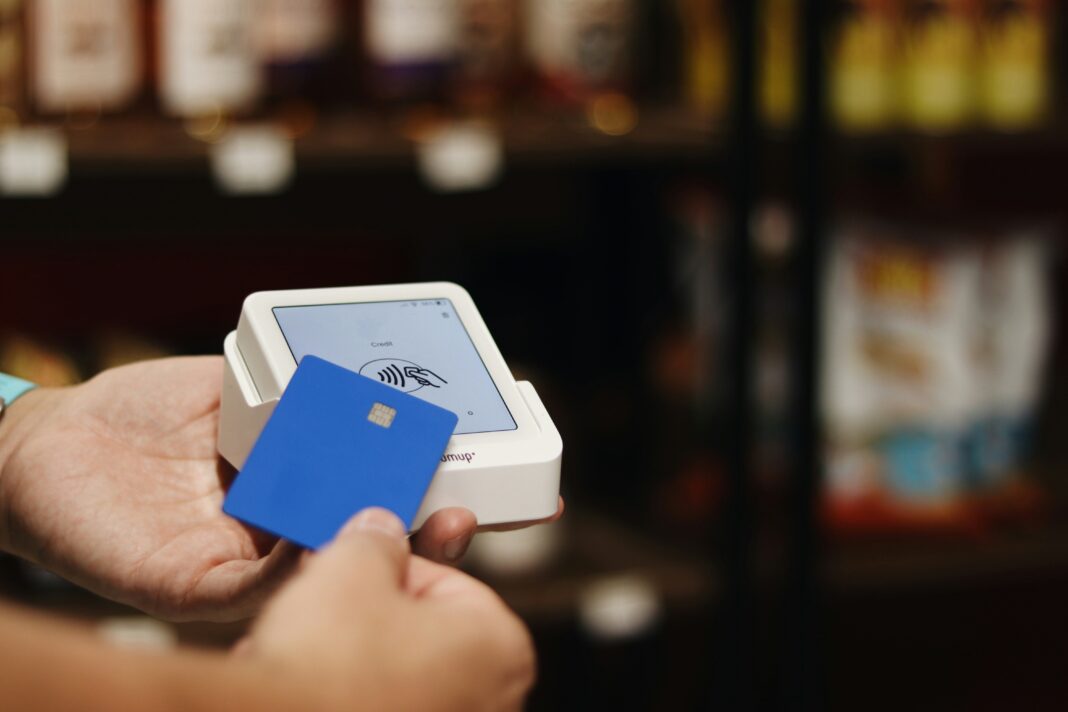
When you swipe a customer’s credit card, the POS terminal sends encrypted data to payment gateways, waits for authorisation, and updates inventory databases, all within seconds. A broadband connection with 10-20 Mbps download and 2-5 Mbps upload speeds per terminal handles these enhanced operations smoothly. But drop below these thresholds, and watch transaction times double or triple.
Hybrid POS systems offer some relief by storing data locally and syncing when connectivity returns. They continue processing sales during outages while maintaining access to pricing and inventory records. However, offline capabilities vary widely. Some systems offer full functionality offline; others restrict you to basic cash transactions. The trade-off? You lose integrated payment processing, digital wallet transactions, and real-time inventory updates, which are features customers now expect as standard.
Bandwidth Requirements Scale with Business Complexity
Small retailers with 1-3 POS terminals need at least 6 Mbps download and 1 Mbps upload speeds. Add three more terminals, and requirements jump to 10 Mbps download and 2 Mbps upload. Running a kiosk system alongside? You’ll need 15+ Mbps download and 3+ Mbps upload speeds.
EMV payment devices add another layer of complexity:
| Device Type | Download Speed | Upload Speed | Connection Type |
| Wired EMV | 5 Mbps | 5 Mbps | Direct router/ethernet |
| Wireless EMV | 5 Mbps | 5 Mbps | Password-secured Wi-Fi |
| Lightspeed Payments | 20-25 Mbps | 20-25 Mbps | High-speed dedicated |
These aren’t luxury specifications; they’re operational necessities. Airtel broadband for office plans starting from 40 Mbps accommodates basic retail needs, while 100-200 Mbps plans support multi-terminal environments with room for growth.
Operational Impact When Internet Connectivity Fails
Slow internet creates cascading problems at checkout counters. Payment authorisation that should take seconds stretches into minutes. Customers abandon purchases rather than wait. During festive sales or promotional events, when transaction volumes spike dramatically, inadequate bandwidth turns your store into a bottleneck. Cart abandonment rates increase, revenue drops, and brand reputation suffers.
Inventory Synchronisation Challenges
Real-time inventory management depends entirely on consistent internet connectivity. Your POS system must instantly update stock levels across physical stores, warehouses, and online platforms after each sale. When connectivity drops, this synchronisation breaks. You risk overselling products, disappointing customers who order items already sold elsewhere.
Store associates lose critical capabilities during connectivity issues. They cannot verify stock availability in other locations, check product specifications, or access customer purchase histories. Modern shoppers expect these services. When staff cannot provide them, customer satisfaction plummets. This makes it pertinent for a store to have access to robust connectivity.
Why 5G Private Networks Transform Retail Operations
The connection between retail success and internet infrastructure grows stronger daily. Your POS systems, inventory management, and customer service capabilities all depend on reliable, high-speed connectivity. Basic broadband might handle simple transactions, but modern retail demands more. This is where 5G private networks fit in.
Technical Advantages Over Traditional Broadband
5G private networks deliver capabilities traditional broadband cannot match. Latency drops from 50-100 milliseconds on broadband to just 1-10 milliseconds on 5G. This reduction means payment authorisation happens almost instantaneously. Customer wait times vanish. Transaction throughput increases dramatically.
Bandwidth capacity reaches gigabit speeds, over 1000 Mbps compared to typical 10-100 Mbps broadband connections. This capacity handles unlimited concurrent transactions, HD surveillance systems, and advanced analytics without congestion. Even during peak shopping periods, performance remains consistent.
Network reliability improves through redundant connections and automatic failover mechanisms. If one connection fails, traffic reroutes instantly through backup paths. Your POS systems continue operating without interruption. This architecture provides business continuity that single-connection broadband cannot guarantee.
Edge Computing Benefits
5G private networks enable edge computing, where data processing happens locally rather than in distant cloud servers. Your POS transactions, inventory updates, and customer data processing occur on-site with cloud synchronisation. This approach dramatically reduces latency while improving resilience against internet outages.
Spectrum efficiency becomes crucial in retail environments filled with Wi-Fi networks, electronic devices, and metal fixtures that interfere with signals. 5G uses advanced modulation techniques that maintain performance despite electromagnetic interference. Your connectivity remains stable regardless of environmental challenges.
The scalability of 5G private networks accommodates business growth seamlessly. Adding new stores, terminals, or services doesn’t require infrastructure overhauls. The network adapts to increased demands through software configuration rather than hardware installation.
Summing Up
Retail success hinges on transaction speed and reliability. When customers queue for checkout, every second counts. Slow internet doesn’t just frustrate shoppers; it directly reduces revenue through abandoned purchases and lost sales opportunities. The numbers speak clearly. Basic retail operations need 5-10 Mbps per POS terminal. Add EMV devices, and requirements double. Factor in security cameras, customer Wi-Fi, and staff systems, and even small stores need 75-100 Mbps total bandwidth. Large-format retailers with multiple terminals and high transaction volumes require even more.
The choice between traditional broadband and emerging technologies like 5G private networks depends on your specific needs. For Indian retailers serious about operational efficiency, Airtel Office Internet offers tailored solutions from basic 40 Mbps plans to gigabit speeds, with features like DNS security and collaboration tools designed specifically for business needs.