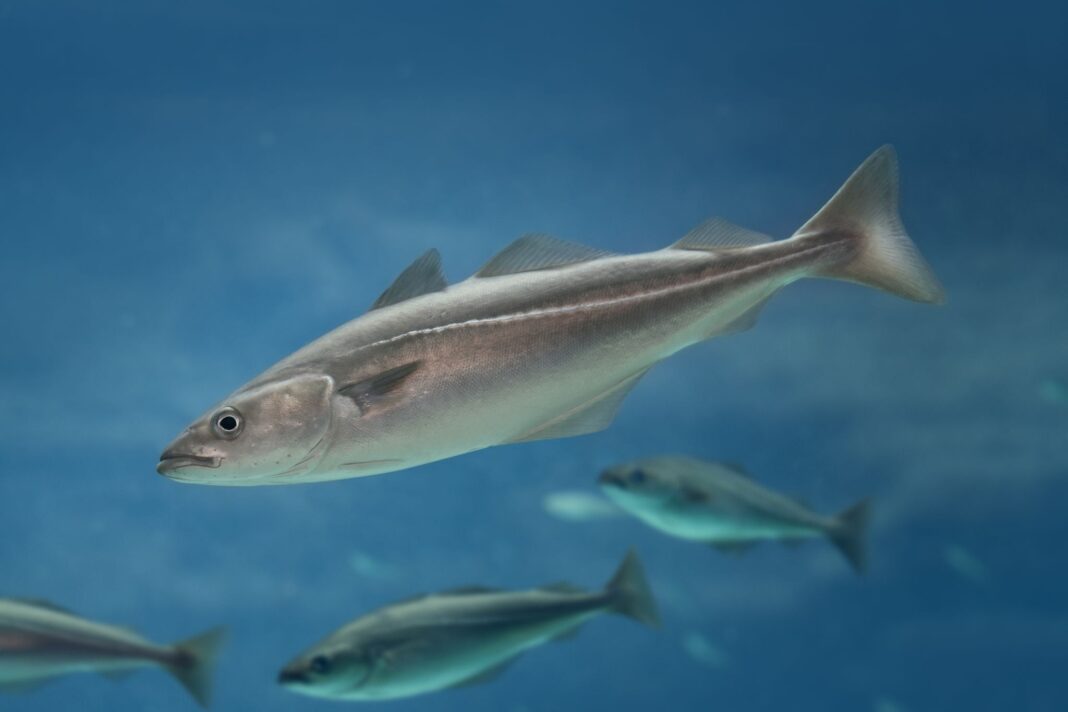
When people talk about versatile whitefish used around the world, Alaskan Seiti—more commonly known as Alaska pollock often stands at the center of the conversation. Known for its mild taste, lean texture, and impressive nutritional value, this fish has become a staple in global seafood markets. Yet many consumers still wonder what exactly Alaska pollock is, how it is used, whether it is a true whitefish, and how closely it is related to cod.
This comprehensive guide explains all of that in simple language, while keeping the meaning factual, original, and easy to understand.
What Exactly Is Alaska Pollock?
Alaska pollock, sometimes referred to as walleye pollock, is a species of marine fish scientifically classified under the cod family (Gadidae). It belongs to the genus Gadus, the same group that includes well-known species like Atlantic cod and Pacific cod.
This fish is found mainly in the North Pacific Ocean, with its largest populations concentrated in the eastern Bering Sea. It forms semi-pelagic schools, meaning it swims between the sea floor and the surface, adapting easily to cold, nutrient-rich waters.
Alaskan Seiti is simply another name used to describe this fish in certain markets, especially when referring to its processed or culinary form.
Is Alaska Pollock a White Fish?
Yes. Alaska pollock is considered a classic example of a whitefish.
It has a mild flavor, light color, and a soft yet flaky texture when cooked. Unlike oily fish such as salmon or mackerel, pollock contains less fat and has a cleaner taste that works well in a wide range of dishes. This is one reason why many consumers prefer it for everyday meals, family cooking, or large-scale food production.
Is Pollock Related to Cod?
Alaska pollock is indeed related to cod.
Both belong to the cod family (Gadidae), share similar body structures, and thrive in colder waters. While pollock has a slightly softer texture and milder taste compared to cod, the two fish are often used in similar recipes. This close biological connection is also why pollock is popular as a reliable alternative when cod prices rise or supplies fluctuate.
What Is Alaskan Pollock Used For?
Alaska pollock is one of the most widely used fish in the world due to its versatility.
Its mild flavor allows it to blend seamlessly into various recipes, and its lean profile makes it suitable for both home cooking and large-scale food production.
Some of its most common uses include:
• Fillets for baking, grilling, or frying
• Fish portions and breaded products
• Fish sticks for families and school lunches
• Surimi (the base ingredient used in imitation crab)
• Processed seafood meals and fast-food items
• Protein sources for ready-to-cook dishes
• Frozen seafood products exported worldwide
Because it is abundant in the Bering Sea and managed under strict sustainability rules, it remains one of the most responsibly sourced fish species.
Alaskan Seiti: A Nutritious and Accessible Seafood Choice
The global popularity of Alaskan Seiti is not accidental. One of the main reasons it is highly valued is its nutritional profile. Alaska pollock is a natural source of high-quality protein, essential minerals, and vitamins. It contains low levels of fat and calories, making it an excellent option for people who prefer lighter meals or follow heart-healthy diets.
Its neutral flavor makes it adaptable for children, adults, and seniors alike. Whether used in casual eating, fast food, or premium restaurant dishes, pollock provides a dependable and affordable seafood option.
Why the Name “Alaskan Seiti”?
While Alaska pollock is the formal scientific and commercial name, the term Alaskan Seiti is used in certain contexts to describe prepared pollock products or culinary forms. In some regions, it is used as a branding term, especially when referring to high-quality pollock processed into fillets, surimi, or value-added seafood items.
This naming variation does not change the nature of the fish; it remains the same species from the North Pacific waters.
Sustainability and Responsible Fishing
One of the strongest reasons for choosing Alaska pollock is its sustainability record. Fisheries in the Bering Sea are closely monitored, and pollock harvesting follows strict environmental guidelines. This ensures long-term population stability and supports eco-friendly seafood consumption.
Certification bodies often rank pollock among the most responsibly managed species. This makes it a preferred choice for consumers who want to enjoy seafood without contributing to overfishing.
How Alaska Pollock Became an International Favorite
Over the last few decades, Alaska pollock has grown from a regional fish to a global culinary asset. Several factors contributed to this rise:
• Strong, sustainable supply
• Adaptability to various recipes
• Mild taste that fits global cuisine styles
• Cost-effective processing
• Growing interest in lean, healthy proteins
Today, Alaska pollock is enjoyed in North America, Europe, Asia, and many other markets. Surimi made from pollock is especially popular in Japanese and Korean cuisine, appearing in sushi, salads, soups, and seafood snacks.
Conclusion
Alaskan Seiti, or Alaska pollock, continues to hold its position as one of the world’s most valuable whitefish species. Whether you want to understand its biological background, its culinary uses, or its global significance, this fish presents a remarkable blend of taste, nutrition, affordability, and sustainability.
From household kitchens to international food industries, Alaska pollock remains a versatile seafood choice that meets modern dietary and environmental demands.