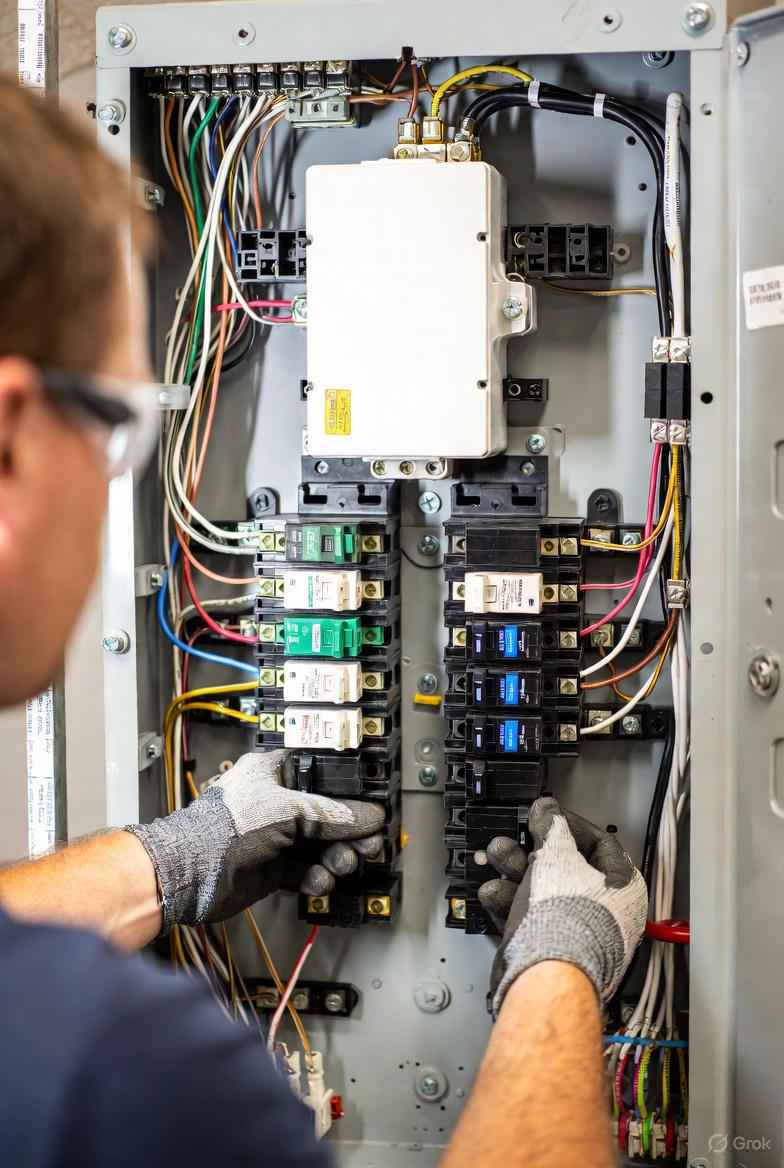
In today’s world, where electrical systems are constantly exposed to unpredictable power fluctuations, installing robust protection is essential. A Type 1 surge protector, also known as a Type 1 SPD (Surge Protective Device), is designed to handle high-energy surges, such as those from direct lightning strikes. These devices are typically placed at the service entrance of your electrical system, right before the main breaker or on the line side, to safeguard the entire building from external threats.
Unlike lower-grade protectors, Type 1 models are built for extreme conditions, making them ideal for locations prone to thunderstorms or areas with overhead power lines. They differ from Type 2 surge protectors, which are meant for internal surges and are installed after the main breaker. Type 1 devices provide the first line of defense, absorbing massive voltage spikes that could otherwise damage appliances, wiring, and electronics throughout your home or business.
The installation process requires careful planning, as it involves working with high-voltage components. Always prioritize safety and consider consulting a licensed electrician, especially since local electrical codes, such as the NEC (National Electrical Code) or equivalent standards like IS 732 in some regions, must be followed to ensure compliance and effectiveness.
Why Install a Type 1 Surge Protector?
Power surges can originate from various sources, including lightning, utility grid switching, or even nearby industrial activities. Without adequate protection, these events can lead to costly repairs or replacements of sensitive equipment. A Type 1 surge protector acts as a barrier, diverting excess energy to the ground and preventing it from entering your system.
Key benefits include enhanced safety for occupants, prolonged lifespan of electrical devices, and potential insurance advantages, as some policies recognize whole-house surge protection. For instance, in areas with frequent storms, this installation can prevent outages and fires caused by overloaded circuits. Statistics from electrical safety organizations highlight that surges account for a significant portion of home electrical failures, underscoring the need for proactive measures.
Preparation and Safety Measures
Before diving into the installation, preparation is crucial to avoid accidents. Start by gathering necessary tools and materials: a voltage tester, appropriate wire cutters, screwdrivers, and the surge protector unit itself, along with compatible wires (typically 10-16mm² for phases and neutral, and up to 16mm² for grounding).
Safety should never be compromised. The first step is to turn off the main power by switching the primary breaker to de-energize the panel. Double-check with a reliable voltage tester to confirm no live current is present this simple verification can prevent severe shocks or electrocution.
Given the high-energy handling capacity of Type 1 SPDs, it’s highly recommended to involve a professional electrician. They ensure the work meets local regulations, which vary by jurisdiction. Attempting a DIY installation without expertise could void warranties or lead to improper functioning during a surge event.
Additionally, review the manufacturer’s guidelines for your specific model. Some units come with optional features like remote signaling for status monitoring, which can alert you to failures via indicator lights.
Step-by-Step Installation Process
Now, let’s outline the core installation steps. This guide is general and should be adapted based on your setup and local codes.
- Mounting the Device: Position the Type 1 SPD close to the main incoming power lines, either inside the distribution board or adjacent to it. Secure it firmly using the provided mounting hardware to ensure stability during operation.
- Installing a Disconnector: While optional, adding an upstream disconnector—such as a 100-125A breaker or fuse—is advisable for safe isolation during maintenance. This component allows you to disconnect the SPD without shutting down the entire system.
- Connecting the Phase Wires: Link the hot (live) wires from the main supply (or from the disconnector if used) to the SPD’s L1, L2, and L3 terminals. Use heavy-gauge conductors, like 10-16mm², to handle the current load. Ensure connections are tight to minimize resistance.
- Neutral Wire Connection: Attach the neutral wire to the SPD’s N terminal, then route it to the panel’s neutral bus bar. This setup maintains balanced protection across the system.
- Grounding the Unit: Connect the SPD’s PE (protective earth) terminal directly to the main equipotential grounding bar. Keep this lead as short as possible—ideally under 50cm—to optimize surge diversion efficiency. A longer ground wire can reduce the device’s performance by increasing impedance.
- Optional Remote Signaling: If your model supports it, wire the signaling contacts to an external indicator, such as a panel light. This feature provides visual alerts if the SPD is damaged or needs replacement, often indicated by a color change (e.g., from green to red).
- Power Restoration and Testing: Once all connections are secure, restore power by turning the main breaker back on. Observe the SPD’s status indicator to confirm it’s operational. Periodic checks are recommended to ensure ongoing protection.
Throughout the process, maintain short wire lengths for all connections, twisting conductors where possible to reduce electromagnetic interference. Tighten all terminals to prevent arcing, and avoid routing wires in ways that could cause strain.
Recent Developments and Best Practices
In the middle of this guide, it’s worth highlighting key insights from industry updates and practical experiences shared by experts. For example, recent discussions emphasize the “50 cm rule” for wiring, which stresses keeping leads under 50cm to enhance surge handling. Videos from sources like Surge Protective Device – LSP demonstrate wiring diagrams for AC Type 1+2 SPDs, showing how to connect signal wires for control panel indicators and the importance of replacing units when failure lights activate.
Installations in main panels, as shown in tutorials by Benjamin Sahlstrom, involve routing wires short and straight to a dedicated 20 amp breaker. Eaton’s resources stress proximity to the bus bar through breakers, with twisted conductors for better performance. Community forums like Reddit’s r/AskElectricians note that professional installation often requires main breaker shutdowns, and replacements will necessitate similar outages.
Web resources from lsp.global outline turning off power, selecting locations, and secure connections for Type 1 setups. GEYA Electrical’s guides detail positioning near the main panel, wire connections, and testing. Electrician U videos focus on lead-style installations, keeping lengths minimal. Even social media posts from platforms like Facebook discuss whole-house benefits, with users recommending utility-provided options like those from FPL.
KB Electric LLC highlights meter-based Type 1 protectors for external surge defense, covering about 20% of threats. These points reinforce that proper installation not only protects against direct strikes but also integrates with broader electrical safety strategies.
Key Considerations for Optimal Performance
Several factors influence the success of your Type 1 surge protector installation. Location is paramount: it must be at the service entrance, upstream of the main breaker, to intercept surges before they propagate.
Wire sizing is critical—use cross-sections that match the device’s requirements and local standards to avoid overheating. For phases and neutral, 10mm² is common, while grounding often calls for 16mm².
Compliance with codes cannot be overstated. In the US, adhere to NEC guidelines; internationally, follow equivalents to prevent legal issues or inefficiencies.
Common pitfalls include neglecting the ground lead length or skipping the disconnector, which can compromise safety during servicing. Also, ensure the SPD is rated for your system’s voltage and phase configuration (e.g., single-phase or three-phase).
For three-phase systems, confirm balanced connections across all lines. If installing in a meter-based setup, as some resources suggest, it provides additional external protection but should complement internal devices.
Maintenance and Troubleshooting
Post-installation, regular maintenance ensures longevity. Monitor status indicators monthly, and replace the unit if it shows signs of wear, such as after a major surge event. Some models have modular designs for easy cartridge swaps without full rewiring.
If issues arise, like persistent failure lights, check connections for looseness or corrosion. Always de-energize the system before inspections.
Conclusion
Installing a Type 1 surge protector is a proactive step toward safeguarding your electrical infrastructure from devastating surges. By following these steps—preparing safely, mounting securely, wiring correctly, and testing thoroughly—you can achieve reliable protection. Remember, while this guide provides a solid foundation, professional assistance is often the best route for complex setups. With proper installation, you’ll enjoy peace of mind knowing your home or facility is fortified against nature’s electrical fury.