Planning a trip to Thailand? One of the first things you’ll need to figure out is how to handle your money. Getting a good deal on thailand currency exchange can save you a decent chunk of cash during your vacation. I’ve been to Thailand three times now, and I’ve learned quite a bit about getting the most baht for my buck.
Understanding Thai Currency
Thailand uses the Thai Baht, abbreviated as THB. You’ll see it written as ฿ on price tags and menus. The baht comes in both coins and notes. Coins are available in 1, 2, 5, and 10 baht denominations. Notes come in 20 (green), 50 (blue), 100 (red), 500 (purple), and 1000 (beige) baht.
When you first arrive, all these colorful bills might seem confusing. But you’ll get the hang of it quickly. The different colors actually make it easier to identify bills once you’re familiar with them.
Where to Exchange Your Money
This is where things get interesting. Not all exchange options are created equal, and choosing the wrong one can cost you serious money.
Banks and Official Exchange Booths
Your best bet for thailand currency exchange is usually the official exchange booths you’ll find in airports, shopping malls, and tourist areas. Companies like Super Rich, Vasu Exchange, and Siam Exchange offer competitive rates. These orange and green booths are everywhere in Bangkok and other major cities.
Banks also exchange currency, but they typically offer slightly worse rates than the independent exchange booths. However, banks are reliable and you won’t get scammed. If you’re in a smaller town without exchange booths, a bank is your safest option.
Airport vs. City Exchanges
Here’s something that surprised me on my first trip. Unlike many countries, Thailand’s airport exchange rates aren’t terrible. They’re actually pretty close to city rates. That said, you’ll still get a slightly better deal if you exchange in the city.
My advice? Exchange just enough at the airport to cover your taxi or transport into town, plus maybe dinner and a drink. Then find a good exchange booth in the city for the rest of your money.
Hotels – Just Say No
Hotels consistently offer the worst exchange rates. They might be convenient, but you’ll lose a significant amount of money. I once compared rates and found the hotel wanted to charge me almost 10 percent more than the booth down the street. That’s a lot of baht left on the table.
ATMs: The Convenient Option
ATMs are everywhere in Thailand, and they work with most international cards. The exchange rate you get from ATMs is usually quite good, often better than exchange booths. However, there’s a catch.
Thai banks charge a flat fee of 220 baht per withdrawal. That’s about 6 or 7 dollars gone before you even factor in what your home bank might charge. This fee applies whether you withdraw 1000 baht or 30,000 baht.
The trick is to withdraw larger amounts less frequently. Most Thai ATMs allow you to take out 20,000 or 30,000 baht at once. This way, you’re only paying that 220 baht fee once instead of multiple times.
Check with your bank before you leave. Some banks reimburse foreign ATM fees, which makes this option much more attractive. Also, make sure your bank knows you’re traveling so they don’t freeze your card thinking it’s fraud.
Credit Cards in Thailand
Credit cards are widely accepted in hotels, restaurants, and shops in tourist areas and cities. However, smaller establishments, street vendors, and markets operate on cash only.
Using a credit card can be convenient, but watch out for foreign transaction fees. Many credit cards charge 2 to 3 percent on every purchase made abroad. That adds up fast when you’re buying meals, souvenirs, and tours.
If you travel often, consider getting a credit card with no foreign transaction fees. It’ll save you money in Thailand and anywhere else you go.
Getting the Best Exchange Rate
Exchange rates fluctuate daily, sometimes even hourly. Before you exchange money, check what the actual exchange rate is online. This gives you a baseline to compare against.
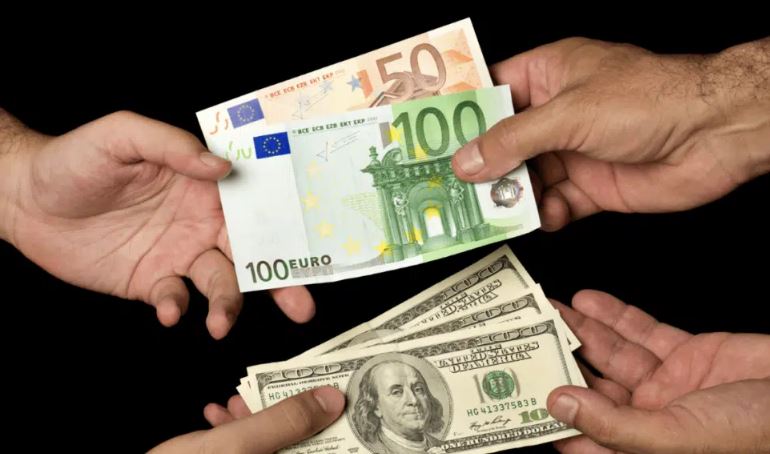
When you’re looking at thailand currency exchange booths, you’ll see two rates: buying and selling. The buying rate (what you care about) is how much baht you’ll get for your dollars, euros, or pounds. Always compare the buying rates between different booths.
In Bangkok, particularly around the Pratunam and Silom areas, you’ll find clusters of exchange booths. It literally pays to walk around and compare rates. A difference of even 0.5 baht per dollar adds up when you’re exchanging several hundred dollars.
Avoid These Common Mistakes
Don’t exchange money at your home country bank before leaving. They almost always offer terrible rates. You’re much better off waiting until you reach Thailand.
Never let merchants or ATMs do the currency conversion for you. When an ATM or credit card terminal asks if you want to be charged in your home currency, always choose Thai baht. If you choose your home currency, they’ll use their own exchange rate, which is always worse. This is called dynamic currency conversion, and it’s a ripoff.
Keep your exchange receipts. If you have leftover baht at the end of your trip, some exchange places will only buy it back if you have the original receipt showing you bought it from them.
How Much Cash Should You Carry?
Thailand is pretty safe, but you shouldn’t carry huge amounts of cash around. Take what you need for the day, plus a bit extra for emergencies. Leave the rest in your hotel safe.
I usually start my day with about 2000 to 3000 baht in my wallet. That covers meals, transportation, entrance fees, and some shopping. If I’m planning something expensive like a day tour, I’ll bring more.
Final Thoughts
Getting good value on thailand currency exchange doesn’t have to be complicated. Skip the hotel, compare a few exchange booths, and use ATMs wisely. These simple steps will keep more money in your pocket for the things that matter – amazing food, cool experiences, and maybe a few souvenirs.
Thailand is an affordable destination, especially if you’re smart about your money. With a little planning and the tips I’ve shared, you’ll stretch your budget further and enjoy everything this incredible country has to offer.