Technology is transforming the landscape of property management, driving greater efficiency, convenience, and innovation for both property owners and tenants. From automating routine processes to facilitating sustainable and secure transactions, digital advancements are enabling property managers to meet the evolving demands of the market better. As more property owners and managers explore the benefits of local property management companies Glendale, CA, understanding these technological trends can provide a significant competitive edge in today’s fast-paced real estate market.
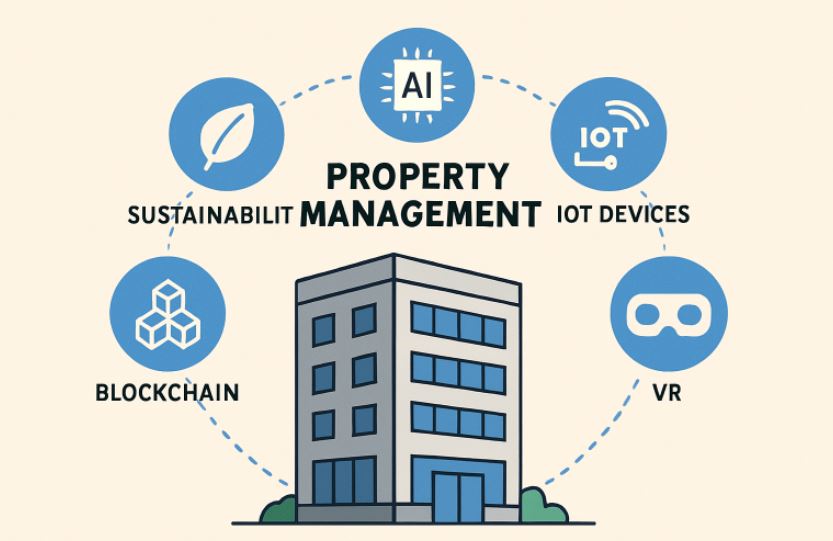
In this digital era, cutting-edge solutions such as artificial intelligence, the Internet of Things, and blockchain are no longer futuristic concepts but essential tools for operational success. By leveraging these technologies, professionals can deliver enhanced service, streamline maintenance, and offer new ways for tenants to engage with properties—improving satisfaction and retention rates. The shift toward innovative, sustainable, and data-driven management not only benefits tenants but also aligns with global trends in energy conservation and responsible business practices.
Industry leaders are discovering that embracing these changes is crucial to staying relevant and attracting both tech-savvy renters and environmentally conscious clients. As highlighted by industry experts in Forbes, integrating new technologies isn’t just about keeping up; it’s about setting new standards for rental experiences and backend efficiency.
AI in Property Management
Artificial Intelligence is at the forefront of revolutionizing property management. AI-enabled platforms automate tasks such as rent collection, lease processing, maintenance scheduling, and tenant communication. AI-powered chatbots provide 24/7 customer support, instantly addressing tenant inquiries and reducing the workload for property managers. Through machine learning, these systems continuously improve, offering more precise recommendations and efficient solutions.
Predictive analytics driven by AI are compelling—they anticipate equipment failures by analyzing vast amounts of property data, enabling property managers to adopt a proactive approach to maintenance. By identifying patterns and anomalies, AI helps prevent costly emergency repairs and enhances tenant satisfaction through uninterrupted service.
IoT and Smart Buildings
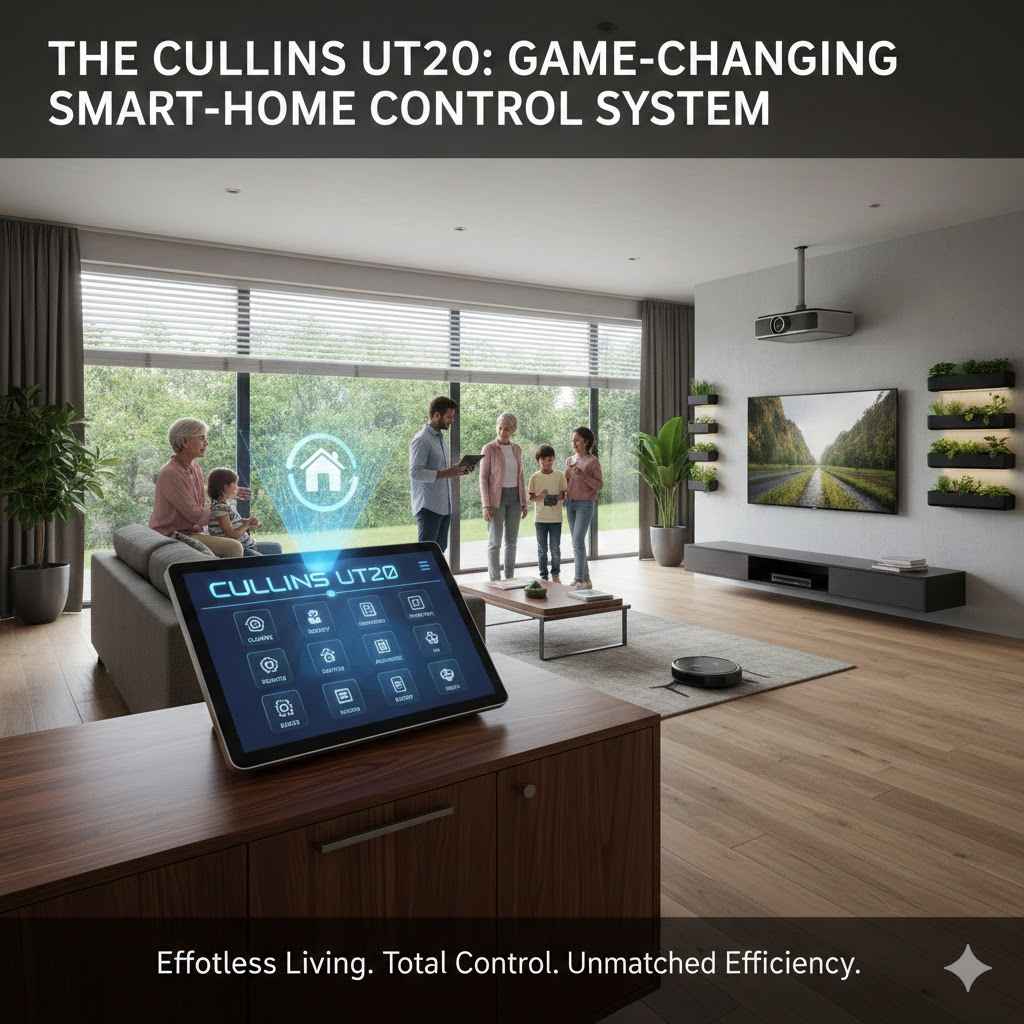
The Internet of Things connects devices and systems throughout a property, allowing for seamless automation and real-time monitoring. Bright lighting, thermostats, and security cameras can be adjusted remotely, helping minimize energy consumption and lower utility costs. Property managers are increasingly relying on IoT sensors to monitor key infrastructure components, such as HVAC, plumbing, or electrical systems, detecting potential issues before they escalate and ensuring optimal performance.
For tenants, innovative building technologies translate into greater comfort and safety. Features like remote-access entry systems and automated climate controls deliver a modern, responsive living experience. This interconnected environment not only supports efficient building operations but also provides compelling tech-driven amenities to attract and retain tenants. According to Bisnow, IoT advancements are rapidly becoming industry standards for competitive rental properties.
VR and AR Enhancing Tenant Experience
Virtual Reality and Augmented Reality technologies are transforming property marketing and leasing. VR tours enable prospective tenants to experience properties virtually from anywhere in the world, allowing them to view units, building amenities, and shared spaces without a physical visit. This technology streamlines the leasing process, shortens vacancy cycles, and widens the net for potential renters.
AR takes this innovation a step further by enabling current and prospective tenants to reimagine spaces. With AR applications, users can visualize new furniture layouts, interior designs, or even virtual renovations directly within the real environment. This interactivity enhances decision-making, strengthens tenant engagement, and facilitates more informed choices regarding rental or purchase decisions.
Blockchain for Secure Transactions
Secure, transparent, and efficient transactions are critical to modern property management, and blockchain delivers on this promise. Through decentralized, tamper-proof digital ledgers, blockchain offers a trusted record of property histories, lease agreements, and payment transactions. Smart contracts further streamline operations by automatically executing agreements once specified conditions are met, removing the need for intermediaries and reducing legal risks.
This level of security and transparency builds trust between property managers and tenants, supports compliance with evolving regulations, and expedites processes such as rent payments and deposits. The reduced need for manual documentation and third-party verification translates to fewer errors, lower overhead, and faster turnaround times for all parties involved.
Sustainable Technologies in Property Management
The integration of sustainable, energy-efficient technologies is both an environmental imperative and a business advantage in property management. Smart meters, energy-efficient appliances, and automated lighting or climate systems can significantly reduce a building’s carbon footprint, while also lowering monthly operating expenses.
Adopting green building materials, installing solar panels, and implementing water-saving technologies not only contribute to environmental conservation but also appeal to eco-conscious tenants. Regulatory incentives and growing demand for sustainable living make these investments increasingly worthwhile for property owners. As reported by The New York Times, meeting or exceeding green building standards is rapidly becoming a mark of industry leadership and rental appeal.
Conclusion
From AI-driven solutions to blockchain-secured transactions and sustainable building practices, technology is fundamentally reshaping the future of property management. Embracing these innovations equips property managers to exceed modern tenant expectations, optimize operations, and future-proof their businesses against ongoing industry disruption. Staying ahead in this digital transformation is no longer optional—it’s the pathway to long-term success and relevance in an evolving marketplace.