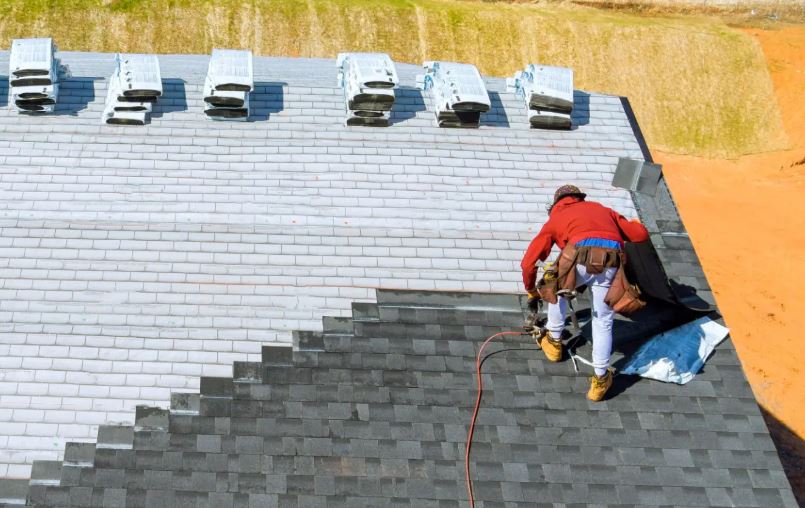
Businesses cannot afford to overlook their roofing systems. The roof of a commercial building is more than just a protective covering; it is a critical component that shields your property, assets, and occupants from the elements. Rather than waiting for water damage or leaks to appear, proactive roof maintenance offers significant benefits. Routine upkeep not only saves on significant out-of-pocket expenses but also enhances the long-term durability of your commercial roof. Over time, preventive actions are far less expensive than major repairs or replacements after a disaster. If you operate a property in the region, finding reliable commercial roofing maintenance Orlando, FL, is crucial for protecting your investment.
Proactive steps ensure unexpected emergencies are avoided and that the business remains operational no matter the weather. Commercial roofs endure daily wear and tear from the elements, making prevention far more cost-effective than repairs after damage has taken hold. From intense sun and heavy rainfall to wind and debris, Florida weather can be particularly harsh. Developing a maintenance routine tailored to your building’s needs helps identify vulnerabilities early, before they escalate into full-blown crises. This means less worry about operational disruptions, emergency closures, or property loss caused by preventable roofing failures.
Regular Inspections: The First Line of Defense
Routine roof inspections are the foundation of any effective roof maintenance plan. Experts advise scheduling these checks twice a year — typically in spring and fall — as well as after major storms. The reason is simple: minor problems caught early can often be fixed with minimal effort and expense, rather than escalating into substantial roof failures or interior damage. Inspectors can spot places where seams are beginning to separate, surface materials are degrading, or components, such as HVAC equipment, may be stressing the structure.
During inspections, professionals look for early warning signs such as cracked flashing, blisters in the roofing membrane, loose or missing shingles, blocked drains, or evidence of pooling water. Acting on these observations quickly minimizes the risk of leaks, mold growth, and other complications that can be disruptive and expensive to resolve. Routine maintenance can extend roof life and dramatically reduce long-term costs. Catching problems early fosters a more stable operating environment for all building users, too.
Cleaning Gutters and Drains: Preventing Water Damage
Water damage is among the most common and costly commercial roofing issues. Ensuring gutters, downspouts, and roof drains remain free of debris is a top priority. Leaves, branches, and dirt can block water flow, causing it to pool on the roof. This pooled water, over time, seeps into the building envelope, promoting rot, rust, and weakened roofing materials. Blocked drainage can also lead to increased weight loads, which pose their own risks to roof stability and building safety.
Cleaning these channels at least twice a year and immediately after severe weather is highly recommended. According to The Spruce, regular gutter maintenance helps prevent water-related damage and prolongs the life of your roofing system. During cleaning, maintenance teams often check for signs of corrosion, cracks, or loose attachments around drainage points, making it easy to resolve minor issues on the spot. An unclogged drainage system diverts water away from vulnerable roofing areas, maintaining structural integrity and lessening the need for emergency repairs. Regular cleaning protects your investment and helps maintain a comfortable, dry indoor environment for all occupants.
Timely Repairs: Addressing Minor Issues Promptly
Ignored cracks, tears, or punctures can worsen due to sun, rain, or heavy foot traffic. Small breaches in the roof’s surface may seem insignificant, but left unaddressed, they enable water to infiltrate and compromise insulation and support structures. Once moisture has seeped beneath the surface, repair costs often rise exponentially due to concealed decay or mold proliferation. Proactive maintenance means these minor issues are regularly fixed, reducing the frequency and extent of major repairs — and in many cases, eliminating the need for an expensive roof replacement well before the end of its expected life cycle. Making repairs at the earliest sign of trouble can save thousands compared to costly overhauls, ensuring your roofing investment lasts longer.
Documenting Maintenance Activities: Aiding in Claims and Compliance
Meticulous documentation supports a proactive approach and creates a comprehensive maintenance record for your roof. Records should include inspection dates, photos, repair logs, warranty files, and all contractor details. Having organized, up-to-date information is essential for insurance claims, as it proves you have not neglected your responsibilities as a property owner. Such documentation not only supports warranty claims, but it’s also invaluable when dealing with insurance adjusters or complying with regulatory requirements. Detailed records help you respond efficiently when asked for proof of regular care or when facing an audit from regulatory bodies. This practice keeps you prepared for the unexpected and provides peace of mind during stressful events.
Financial Benefits: Saving Money in the Long Run
Annual maintenance costs are often a fraction of the price of significant repairs or full replacements, allowing property owners to better predict and manage expenses. Regular maintenance reduces long-term expenses, helps property owners plan for upgrades, and strengthens their negotiating position with insurers. Many insurance companies recognize the reduced risk associated with proactive maintenance and often offer lower premiums for well-maintained properties. Businesses can reinvest maintenance savings into building improvements or into reserve funds, strengthening their financial outlook. The money saved can also be deployed to upgrade machinery, enhance the property’s appearance, or scale other critical systems — all of which help maintain tenant satisfaction and property value.
Extending Roof Lifespan: Maximizing Your Investment
A well-maintained commercial roof can last up to 25 years, while a neglected roof may fail within 10-15 years. Prompt inspections and repairs ensure you maximize every dollar spent on your roofing system while also avoiding risks to safety and property value. Resources like This Old House offer practical guidance for routine upkeep and early detection of potential issues. Occupants and employees benefit from a safer, drier, and better-insulated environment thanks to dedicated preventive care. Over time, maintaining peak condition reduces the risk of sudden, significant capital expenses and provides peace of mind for property managers and business owners alike.
Conclusion
Maintaining the health of your commercial roof is a strategic investment. Regular inspections, effective drainage cleaning, prompt repairs, and detailed recordkeeping not only prevent costly emergencies but also deliver valuable peace of mind. By adopting these best practices, businesses safeguard their assets, boost roof longevity, and enjoy lasting financial advantages. Make your roof’s care a priority, and you will see returns that benefit your entire property for years to come.