
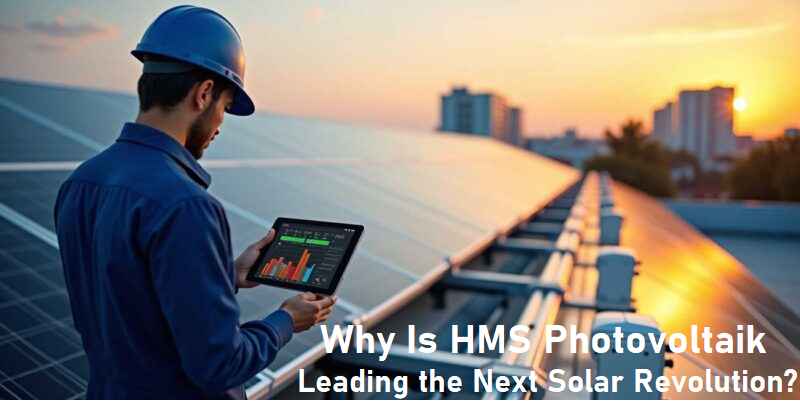
HMS Photovoltaik represents a new phase in solar innovation, combining photovoltaic generation with intelligent communication, hybrid energy management, and cloud-based monitoring. Built around the advanced technologies of HMS Industrial Networks, this concept transforms standard solar installations into fully connected energy ecosystems. Rather than operating as isolated setups, HMS Photovoltaik links inverters, panels, sensors, controllers, and storage systems into a unified digital framework.
The result is a system that not only produces electricity but also evaluates performance, detects faults early, adapts to weather conditions, and integrates seamlessly with smart homes, industries, and smart grids. In a world where renewable energy must be both dependable and efficient, HMS Photovoltaik offers a practical and forward-looking solution.
How HMS Photovoltaik Works
At the foundation of HMS Photovoltaik is the conversion of sunlight into direct current (DC) electricity through high-performance solar panels. This DC power is then routed through smart inverters that generate usable alternating current (AC). What makes the system different is the integration of digital technologies such as Anybus communication gateways and Ewon monitoring devices, which gather real-time operational data.
Every panel, inverter, and battery becomes part of a connected network. Cloud dashboards allow users to monitor production, evaluate consumption, identify shading or dust-related losses, and make adjustments remotely. The system analyzes conditions such as temperature, solar intensity, and load patterns to optimize performance, resulting in higher efficiency and stability compared to traditional photovoltaic setups.
Key Innovations Behind HMS Photovoltaik
HMS Photovoltaik introduces several advancements that set it apart from conventional solar systems:
-
High-efficiency panel technology that improves conversion even during cloudy or low-light conditions
-
Digital communication bridges that enable interoperability between different solar components
-
Flexible installation options suitable for curved structures, vehicles, or limited urban spaces
-
Smart grid compatibility supporting net metering, load balancing, and automated energy feedback
-
Backward compatibility with older inverters and legacy PV systems
These innovations make HMS Photovoltaik accessible to both new installations and system upgrades.
Smart Monitoring and Real-Time Control
One of the strongest advantages of HMS Photovoltaik is its powerful monitoring capability. The system tracks metrics such as voltage, temperature, battery levels, shading impact, and overall production efficiency. Automated alerts notify users of inverter issues, panel drops, or environmental problems before they escalate.
Predictive diagnostics enable proactive maintenance, reducing long-term repair costs and improving reliability. The built-in analytics also support sustainability reporting, carbon tracking, and system compliance for businesses and institutions.
Benefits for Homeowners
Homeowners adopting HMS Photovoltaik gain several advantages that enhance both energy security and financial savings. The hybrid management system reduces dependency on the national grid and allows households to store excess solar energy for nighttime or emergency use. Predictive maintenance lowers the risk of unexpected failures, while the connected ecosystem enables appliances, lighting, and HVAC systems to adapt to solar production patterns.
The technology also increases home value, as modern buyers prioritize energy-efficient and smart-ready systems.
Commercial and Industrial Applications
For large-scale users, HMS Photovoltaik provides even greater benefits. Manufacturing plants, warehouses, farms, educational institutions, and office complexes can monitor multiple solar arrays across different sites using a single platform. This allows better control over energy consumption, peak load management, and storage utilization.
Companies can evaluate their carbon performance and meet Environmental, Social, and Governance (ESG) requirements using system-generated reports. For industries with high operational costs, the reduction in energy bills is substantial.
HMS Photovoltaik, Smart Grids, and IoT
Integration with smart grids is another defining characteristic of HMS Photovoltaik. Smart grids allow two-way communication between producers and utilities, ensuring stable supply even during fluctuations. HMS-based systems can:
-
Send excess power to the grid
-
Draw stored energy during high-demand periods
-
Synchronize with smart meters, EV chargers, and home automation devices
This digital synchronization reduces peak-load pressure and supports community-wide energy resilience.
Research, Development, and Future Growth
HMS Networks continues to invest heavily in advanced materials, software optimization, and artificial intelligence. Ongoing research focuses on:
-
AI-driven forecasting for sunlight and energy demand
-
Lightweight and recyclable panels for remote installations
-
Enhanced storage monitoring for both household and commercial batteries
-
Solar-powered infrastructure integrated into smart city networks
These developments position HMS Photovoltaik as a long-term contributor to global renewable energy goals.
Environmental and Sustainability Impact
Beyond cost and operational benefits, HMS Photovoltaik plays a major role in reducing environmental impact. Solar electricity replaces fossil fuel use, lowering greenhouse gas emissions and improving air quality. The system’s efficient performance helps cities and companies meet carbon neutrality objectives. HMS also supports responsible manufacturing practices and encourages communities to adopt cleaner, decentralized energy solutions.
Technical Breakdown of HMS Photovoltaik
-
PV Panels: High-performance modules engineered for maximum conversion
-
Inverters: Advanced units shifting DC to AC power
-
Hybrid Controllers: Devices managing power flow among solar, batteries, and the grid
-
Energy Storage: Lithium-ion or comparable batteries for short- and long-term use
-
Monitoring Software: Cloud-based dashboards, automation tools, and predictive alerts
Installation, Maintenance, and Considerations
Installing HMS Photovoltaik begins with a thorough site assessment, evaluating roof condition, sunlight exposure, and energy requirements. Once installed, the system needs minimal maintenance beyond routine cleaning and monitoring. Troubleshooting is simplified through digital alerts and remote diagnostics, reducing technician visits.
Cost and Savings Outlook
While initial investment may be higher than basic solar systems, HMS Photovoltaik delivers significantly better long-term value. Users save on electricity, minimize equipment failures, and benefit from government incentives where available. For businesses, the return on investment is often accelerated by reduced operational expenses.
Final Thoughts
HMS Photovoltaik represents the next step in solar evolution: a fusion of photovoltaic engineering, digital intelligence, hybrid management, and real-time monitoring. Whether for homes, industries, agriculture, or utility-scale installations, HMS Photovoltaik delivers efficiency, reliability, and sustainability tailored for the modern energy landscape.

 electricity through high-performance solar panels.)