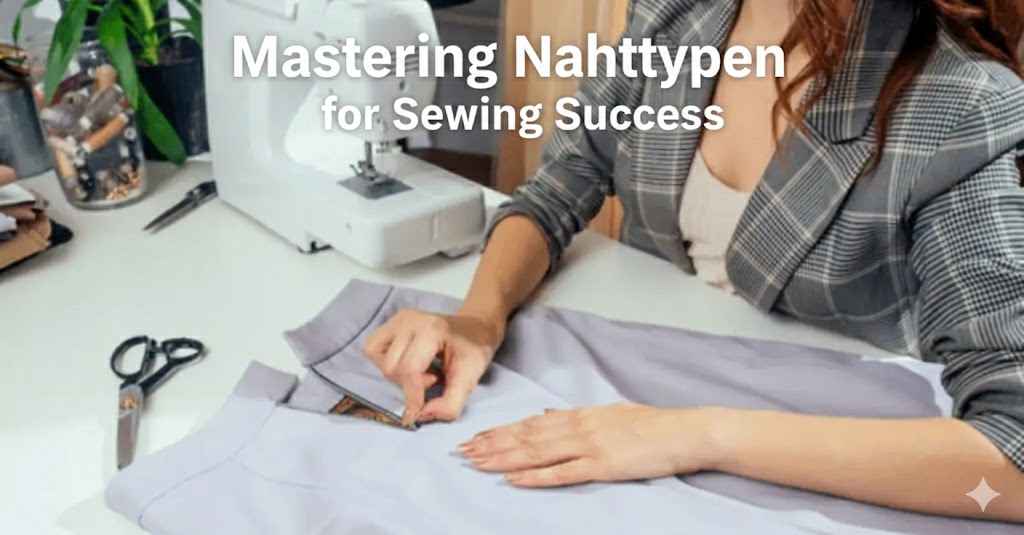
If you’ve ever embarked on a sewing project, you may have come across the term Nahttypen and felt overwhelmed by the many options. Simply put, Nahttypen refers to the different types of seams or stitches used to join pieces of fabric together. Every seam has a purpose, whether it’s for durability, flexibility, or aesthetic appeal.
From simple straight stitches to more intricate techniques, understanding Nahttypen is key for anyone wanting to improve their sewing skills or create high-quality garments. Choosing the correct seam type ensures your projects not only last longer but also look polished and professional.
Why Nahttypen Matter
Seam types are more than just lines of stitches; they define how garments hold up over time. The choice of seam can influence:
-
Durability: Some seams withstand more stress than others.
-
Flexibility: Certain stitches allow fabrics to stretch without fraying.
-
Appearance: Decorative seams enhance the visual appeal of garments.
-
Fit and comfort: Proper seam selection prevents discomfort and ensures garments fit as intended.
Whether you’re working with delicate fabrics like silk or heavy-duty textiles like denim, knowing which Nahttypen to use makes a significant difference in the final product.
Common Nahttypen Every Sewist Should Know
Below are some of the most commonly used seam types and their applications:
1. Straight Stitch
The straight stitch is the most basic and widely used seam. It provides strong, durable seams ideal for everyday sewing projects and general garment construction.
2. Zigzag Stitch
Perfect for stretchy fabrics like knits, the zigzag stitch adds flexibility while preventing fraying. It’s commonly used in activewear or garments that require movement.
3. French Seam
French seams are ideal for delicate fabrics such as silk or chiffon. They enclose raw edges neatly, preventing fraying and giving a polished finish inside the garment.
4. Flat-Felled Seam
Known for durability, flat-felled seams are commonly seen in jeans and uniforms. They prevent fraying and add strength to heavy fabrics.
5. Overlock Stitch
Overlock stitches finish fabric edges while providing elasticity. They are essential for knit fabrics and activewear, ensuring seams do not unravel with stretch.
6. Decorative Stitches
Specialty seams, including piping, topstitching, and embroidered edges, add aesthetic value while maintaining function. These are popular in high-fashion garments or decorative home textiles.
Selecting the right Nahttypen is crucial because it impacts both functionality and style. Test stitches on scrap fabric, consider fabric type, and think about the end-use of the garment.
Common Mistakes When Using Nahttypen
Even experienced sewists can make errors with seam types. Some frequent mistakes include:
-
Choosing the wrong seam for the fabric: Using a heavy-duty seam on delicate fabric can cause puckering, while a lightweight seam on thick fabric may fail under stress.
-
Incorrect machine tension: Too tight or loose tension can make stitches uneven and prone to unraveling.
-
Skipping fabric pre-washing: Failing to pre-wash fabrics can result in shrinkage or distortion after sewing.
-
Neglecting tool maintenance: Dull needles or worn-out threads compromise seam strength and accuracy.
-
Ignoring manufacturer instructions: Fabric and thread guidelines are crucial for proper seam performance.
Avoiding these mistakes ensures your projects are durable, functional, and visually appealing.
Tips for Choosing the Right Nahttypen
-
Assess the fabric: Lightweight fabrics often need delicate seams like French seams, while heavy fabrics benefit from flat-felled or reinforced seams.
-
Consider the garment’s purpose: Stretchy clothing may require zigzag or overlock stitches, whereas home décor items may need sturdy straight stitches.
-
Test before committing: Always sew on scrap fabric to check tension, stitch type, and overall appearance.
-
Balance function with aesthetics: A seam should not only hold the fabric together but also enhance the garment’s overall design.
By combining functionality with visual appeal, you ensure your projects meet professional standards.
Maintaining Your Seams and Tools
Proper maintenance keeps your seams and sewing tools in top condition:
-
Clean your machine and seams regularly to remove dust and lint.
-
Store your tools and fabrics in a dry, clean area to prevent rust and deterioration.
-
Inspect seams for wear or damage and repair promptly to avoid larger issues.
-
Lubricate moving parts on your sewing machine if required for smooth operation.
A well-maintained setup ensures consistent quality and reduces frustration during sewing projects.
The Role of Quality Materials
The effectiveness of Nahttypen also depends on the materials you choose:
-
Thread quality: Strong, high-quality threads prevent breakage and maintain seam integrity.
-
Fabric compatibility: Match the seam type to the fabric’s weight and texture.
-
Colorfastness: Avoid threads or fabrics that bleed or fade, which can ruin the finished look.
Investing in quality materials elevates the final product, making it durable and visually refined.
Nahttypen in Fashion and Industry
Nahttypen are not only relevant for home sewing but are essential in professional design and industrial applications.
-
Fashion design: Seams shape garments, add volume, and create visual effects like princess seams or decorative topstitching.
-
Industrial use: Flat-felled and reinforced seams are used in automotive upholstery, tents, outdoor gear, and technical textiles for durability and performance.
By understanding the practical and aesthetic applications of Nahttypen, designers and manufacturers can create high-quality, long-lasting products.
Conclusion
Nahttypen are more than just technical sewing terms they are the foundation of durable, stylish, and functional garments. By understanding seam types, avoiding common mistakes, and choosing the right materials, sewists can elevate their projects from basic to professional-quality results.
Whether for fashion design, industrial textiles, or personal DIY projects, mastering Nahttypen allows for creativity without sacrificing durability. Knowledge of these seam types gives sewists the confidence to experiment, innovate, and produce high-quality garments and textiles that stand the test of time.