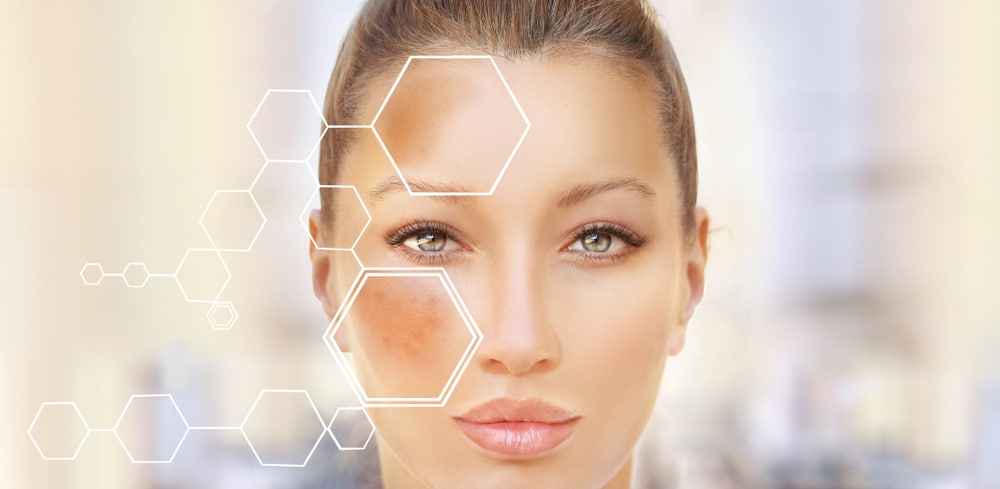
Melasma is one of the most common and frustrating skin conditions that affects both men and women, though it is more prevalent among women. Characterized by brown or grayish patches on the cheeks, forehead, upper lip, and chin, melasma often appears gradually and can worsen with sun exposure or hormonal changes. Many people spend years trying various creams and topical treatments, only to see limited results.
Thanks to advancements in dermatology, laser therapy has emerged as a breakthrough solution for treating melasma effectively. Unlike topical products that only work on the surface, laser treatments target the deeper layers of the skin, addressing pigmentation at its root cause.
Understanding What Causes Melasma
Melasma is primarily caused by an overproduction of melanin, the pigment that gives skin its color. This overproduction can be triggered by several factors, including:
- Sun exposure: Ultraviolet (UV) rays stimulate melanocytes, the pigment-producing cells in the skin.
- Hormonal changes: Pregnancy, birth control pills, and hormone therapy can influence melanin activity.
- Genetics: A family history of melasma increases the likelihood of developing it.
- Skin irritation: Aggressive skincare products or treatments can aggravate pigmentation.
For many, melasma laser treatment Singapore is more than a cosmetic issue. It can impact confidence and self-esteem, especially because it is stubborn and prone to recurring even after initial improvement. That is why professional treatments are essential for long-term management.
Why Choose Laser Therapy for Melasma
When it comes to professional solutions, melasma laser treatment dermatologists recommend has become one of the most effective and reliable options. Laser therapy offers a more precise, deeper approach than creams or chemical peels.
Unlike topical treatments that only lighten the surface, lasers penetrate beneath the epidermis to target excess pigment directly. This process breaks down melanin into smaller fragments, which are then naturally eliminated by the body. The result is a more even complexion and long-lasting clarity.
Key Advantages of Laser Therapy
- Targeted precision: Lasers can be adjusted to focus only on pigmented areas without affecting surrounding healthy skin.
- Minimal downtime: Most patients experience little to no recovery time after treatment.
- Reduced recurrence: By addressing the root cause of melasma, laser therapy can help prevent future flare-ups.
- Enhanced skin quality: Beyond reducing pigmentation, laser treatments improve overall texture, brightness, and firmness.
How Laser Treatments Work
Laser technology has evolved significantly over the years. Today, dermatologists use advanced devices designed specifically to treat pigmentation while minimizing the risk of irritation or worsening.
Q-Switched Laser
This type of laser delivers short bursts of energy that shatter pigment particles beneath the skin. It is ideal for treating both epidermal (surface) and dermal (deep) melasma. Q-switched lasers are gentle yet effective, requiring multiple sessions for optimal results.
Pico Laser
Pico lasers use ultra-short pulses of energy to target pigmentation with minimal heat. This makes them safer for all skin tones, including darker complexions that are more prone to post-inflammatory hyperpigmentation. Pico lasers not only lighten melasma but also improve skin texture and reduce fine lines.
Fractional Laser
Fractional lasers create micro-injuries that trigger the skin’s natural healing process and stimulate collagen production. These treatments improve tone and texture while gradually reducing pigmentation. They are often combined with other therapies for comprehensive results.
Combination Treatments
Dermatologists may combine laser therapy with topical creams, chemical peels, or oral medication to enhance results. Customizing the treatment ensures effectiveness while minimizing the risk of irritation.
What to Expect During and After Treatment
Laser treatments are relatively quick, typically lasting 20 to 45 minutes depending on the size of the treatment area. Before the procedure, a numbing cream is applied to ensure comfort. Patients may feel mild warmth or a tingling sensation during the session.
After treatment, slight redness or mild swelling may occur, but this usually subsides within a few hours. Dermatologists often recommend avoiding direct sun exposure, using gentle skincare products, and applying sunscreen daily to protect the skin as it heals.
Visible improvement can often be seen after the first few sessions, with continued progress as treatments continue. Most patients require between four to six sessions spaced several weeks apart for optimal results.
Complementary Care for Lasting Results
Laser therapy delivers impressive results, but maintaining clear skin requires consistent care and preventive measures. Dermatologists typically recommend:
- Daily sunscreen use: UV protection is crucial in preventing melasma recurrence. Choose a broad-spectrum sunscreen with at least SPF 50.
- Gentle skincare: Avoid harsh exfoliants or strong acids that may irritate the skin.
- Antioxidant serums: Products containing vitamin C or niacinamide can help protect and brighten the skin.
- Hydration: Keeping the skin well-moisturized helps maintain its natural barrier and resilience.
Maintaining a consistent skincare routine after treatment maximizes the longevity of results and reduces the likelihood of melasma returning.
Why Professional Care Matters
Melasma is complex and often resistant to over-the-counter solutions. Without proper guidance, self-treating can sometimes make the condition worse. That is why consulting a qualified dermatologist is essential.
A skilled dermatologist can identify the specific type of melasma you have, determine the safest laser options, and tailor a treatment plan based on your skin tone and sensitivity. They can also monitor progress to ensure that results are achieved safely and effectively.
Professional treatment not only clears visible pigmentation but also helps restore confidence, providing both cosmetic and emotional relief.
Restoring Confidence Through Modern Dermatology
Melasma may be persistent, but with the right approach, it is manageable. Laser therapy represents a new era of treatment that combines precision, safety, and visible transformation. Unlike traditional creams or peels, which only provide surface-level results, laser treatments work beneath the skin to produce long-term clarity and even tone.
With continued advancements in technology, patients now have more options than ever to achieve a brighter, more radiant complexion. For many, this is not just a skin improvement—it is a renewal of confidence and self-assurance.
Commonly Asked Questions
How many sessions are needed to treat melasma?
Most patients need between four and six sessions to achieve noticeable results, though this may vary depending on the severity of pigmentation.
Is laser treatment safe for all skin types?
Yes. Modern laser technologies, such as Pico lasers, are suitable for all skin types, including darker tones that are prone to pigmentation issues.
Does laser treatment hurt?
Discomfort is minimal. A numbing cream is usually applied before treatment to make the procedure comfortable. Patients may feel a mild tingling or warmth during the session.
Can melasma come back after laser treatment?
Melasma can recur if the skin is not properly protected from the sun or if hormonal triggers persist. Regular maintenance treatments and daily sunscreen use can prevent recurrence.
Are there any side effects?
Mild redness or temporary darkening of the treated area may occur but typically resolves within a few days. Proper aftercare significantly reduces any risk of irritation.
Next Steps
If you have been struggling with stubborn pigmentation or uneven skin tone, it may be time to explore a more advanced solution. Consult a qualified dermatologist to discuss melasma laser treatment Singapore clinics offer. With professional guidance, customized care, and modern technology, you can achieve clearer, brighter, and more radiant skin that reflects your true confidence.