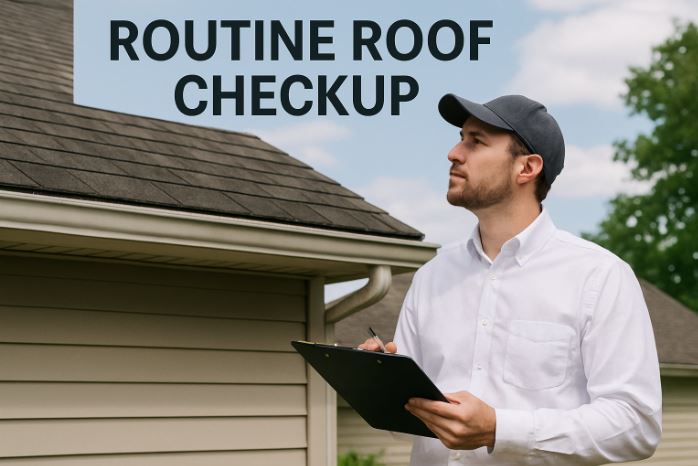
Regular roof inspections are one of the most innovative and cost-effective strategies for homeowners looking to protect their most significant investment. By scheduling a free roof inspection Houston, you gain a professional assessment that can stop minor problems before they become costly emergencies. Not only can these inspections prevent expensive repairs, but they can also help you extend the lifespan of your roof, improve your home’s energy efficiency, and avoid structural issues.
The peace of mind from knowing your roof is in good condition is invaluable, especially considering the risks unaddressed issues can pose to your property and finances. Regular professional roof checks mean you’re less likely to be caught off guard by leaks, structural weaknesses, or escalating energy bills due to hidden leaks and lost insulation.
Early Detection of Issues
Timely identification of issues is the most effective way to decrease repair expenses. Homeowners who regularly inspect or have their roofs inspected catch small leaks, cracked shingles, or worn flashing before they let in water or cause lasting damage. For example, if left neglected, a tiny crack in a shingle could allow water infiltration to rot roof decking, breed mold, and require significant repairs to walls, ceilings, and insulation. Early detection lets you tackle these minor repairs while they’re still inexpensive and manageable.
Extending Roof Lifespan
Consistent maintenance and annual roof inspections have been proven to extend the usable life of asphalt shingles, tile, metal, and flat roofing materials. According to the National Association of Home Builders, most roofs last 20 to 30 years, but many fall short of that range due to neglect and delayed repairs. Simple actions like patching a few shingles or resealing flashing during an inspection can postpone complete roof replacement for years, saving thousands of dollars.
Enhancing Energy Efficiency
Your roof is an essential barrier against temperature extremes, controlling how much hot or cold air escapes your home. Damaged roofing materials or poor attic ventilation can weaken your insulation, making your HVAC system work harder and increasing utility bills. Regular roof inspections can identify areas of heat loss or drafts, which can then be plugged or repaired to improve your home’s energy efficiency and comfort. In fact, the U.S. Department of Energy notes that proper roof insulation and maintenance are essential for reducing energy consumption.
Preventing Structural Damage and Mold Growth
Leaks are the most common source of interior roof damage, causing issues from ruined drywall to warped flooring and even hazardous mold. Trapped moisture encourages wood rot in rafters and attic supports, weakening your home’s structural integrity. Mold can spread quickly and requires specialized removal. With regular inspections, problem spots are caught early, letting you perform minor waterproofing instead of major renovations due to extensive water damage and mold infestation.
Preserving Property Value and Curb Appeal
The appearance and functionality of your roof can significantly impact your home’s overall value. A roof that looks aged or damaged often signals potential trouble to buyers, who may negotiate down the price or walk away from a sale entirely. Homes with newer or well-maintained roofs usually command higher prices and sell faster. Routine maintenance isn’t just about upkeep—it’s also about ensuring your property looks inviting and stands out in a competitive real estate market.
Meeting Insurance Requirements
Home insurance providers expect homeowners to take steps to minimize preventable damage, especially to vital structures like the roof. If storm or hail damage occurs and the insurer finds evidence of neglect or prior problems, they may deny your claim. Documentation of regular inspections ensures compliance with policy requirements, streamlines the claims process, and protects your finances from uncovered losses. This proof of maintenance can also potentially reduce your premiums or be valuable during property appraisals or sales.
Recommended Frequency of Roof Inspections
For optimal protection, experts recommend a comprehensive roof inspection at least once yearly, ideally every spring or fall, to check for damage from severe temperatures and storms. Additional inspections should be scheduled after substantial weather events—like windstorms, hail, or hurricanes—or if you spot signs of trouble like missing shingles, water stains indoors, or unusual granule loss in your gutters. By following this schedule, you minimize risk and maximize the life and value of your home’s roof.
In conclusion, the benefits of routine roof inspections are clear: they’re a proactive, affordable measure to secure your property, prevent expensive repairs, increase efficiency, and help preserve your home’s value and insurance protections. Scheduling a yearly inspection now can mean saving thousands of dollars—and years of worry—down the road.