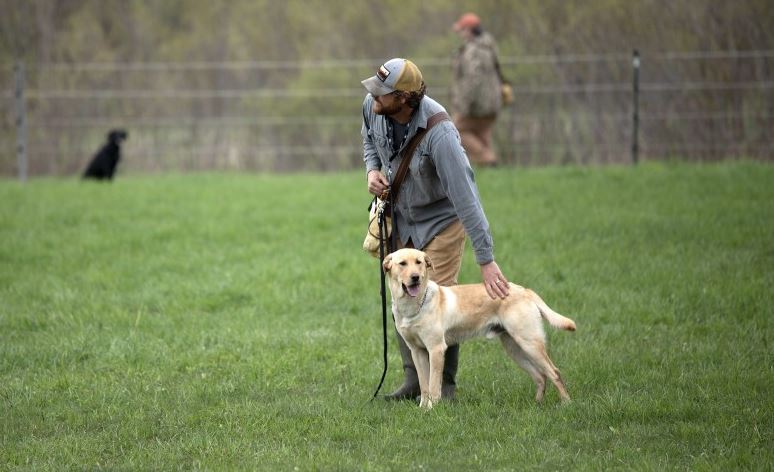
Training a dog goes beyond teaching basic commands—it lays the foundation for a harmonious relationship between pets and their owners. Well-trained dogs are easier to manage, safer in different environments, and more confident in social situations. Establishing consistent routines and positive reinforcement strategies not only strengthens obedience but also enhances communication and trust, creating a more enjoyable daily experience for both the dog and its family.
Incorporating professional guidance can further enhance outcomes, particularly for pet owners seeking to address specific behaviors or accelerate learning. Utilizing resources like dog training services Tulsa OK, provides structured programs and expert support, helping dogs develop good habits while reducing stress for owners. With consistent training, everyday life becomes smoother, more predictable, and more rewarding for everyone in the household.
Reducing Behavioral Issues
Reducing behavioral issues in dogs, such as excessive barking or destructive chewing, often stems from a lack of leadership and proper outlets for energy. Practical training can intercept these behaviors before they become habits. For instance, dogs can be taught to chew appropriate toys instead of furniture or to sit instead of jumping on guests. The American Kennel Club emphasizes that using positive reinforcement and consistency enhances obedience and fosters effective communication between the dog and its owner. Training gives dogs structure, reduces confusion, and consequently promotes tranquility in the home.
Boosting Mental Stimulation
Boosting mental stimulation in dogs is vital to prevent boredom, which can lead to undesirable behaviors such as excessive barking and mischief. Training provides essential mental exercise, comparable to physical activity, which improves dogs’ memory and focus. Engaging in commands, agility, tricks, or scent games can enhance their well-being, making them happier, less anxious, and more adaptable to new environments.
Enhancing Social Interactions
Enhancing social interactions with dogs is vital for both their happiness and the owner’s comfort in public spaces. Training techniques that promote calmness and exposure to distractions help dogs respond appropriately to various situations, fostering reliable behavior. A well-socialized dog is easier to manage, less fearful, and demonstrates good manners, leading to more enjoyable outings and increased invitations for both pets and their owners.
Simplifying Daily Routines
Everyday activities, such as feeding, grooming, and administering medicine, can be stressful without proper management. Teaching commands such as “sit,” “stay,” or “leave it” enhances a dog’s cooperation, making these routines more effective and smoother to execute. Training fosters patience and enthusiasm during daily tasks, especially when combined with positive reinforcement. A well-trained dog enables safer and more efficient routines, thereby reducing the risk of injury. Additionally, leash manners and recall skills contribute to enjoyable outdoor experiences. Overall, a dog’s cooperation in daily routines benefits both the pet and the owner.
Strengthening the Human-Dog Bond
Training a dog transcends mere command execution; it fosters trust, respect, and affection. Utilizing positive reinforcement through treats, praise, or play creates a joyful learning environment that deepens emotional bonds. This method not only leads to better obedience but also enhances communication between owners and their dogs. The collaborative process strengthens the lifelong partnership, making daily interactions more harmonious.
Improving Safety
Improving safety in dog training involves teaching essential commands, such as “come,” “stay,” and “leave it,” which can help prevent accidents in emergencies, like when a dog approaches a dangerous situation. This training not only saves lives but also boosts the owner’s confidence in managing unexpected situations. A well-trained dog contributes to community safety by reducing risks of running away or endangering others, making the commitment to safety beneficial for both the owner and society.
Facilitating Veterinary Care
Training your dog for veterinary visits is crucial for reducing stress and ensuring effective care. Teaching acceptance of examinations, like ear checks and temperature taking, leads to smoother appointments. Keeping dogs calm during these visits allows vets to provide better care and encourages regular preventive health measures. Positive early exposure to vet environments contributes to lifelong health and lessens the anxiety associated with veterinary care.
Conclusion
Regular training leads to significant benefits, including reduced undesirable behaviors and improved emotional well-being, which in turn enhances the bond between you and your pet. It not only corrects issues but also fosters new experiences and joyful interactions. A well-trained dog brings peace at home and acts as a reliable companion in public, strengthening the partnership and enriching daily life.