

The sizzle of garlic hitting hot oil, the aroma of simmering spices, the steam rising from a boiling pot—cooking fills our kitchens with delicious scents and inevitable smoke, but in small spaces, these byproducts can quickly become overwhelming.
Effective kitchen ventilation isn’t just about comfort; it’s essential for maintaining air quality, preventing moisture damage, and keeping your living space fresh. Without proper airflow, cooking odors linger for hours, grease accumulates on surfaces, and excess humidity can lead to mold growth.
Apartment dwellers face unique challenges when it comes to kitchen ventilation. Many struggle to understand whether ducted or ductless range hoods suit their needs better, while others battle persistent cooking odors that seem impossible to eliminate in compact spaces. Limited installation options and building restrictions further complicate the quest for clean, breathable air.
This guide addresses these concerns head-on, offering practical solutions that work within the constraints of small kitchens and rental agreements, helping you create a healthier, more pleasant cooking environment.
Understanding Ducted vs. Ductless Range Hoods
Choosing the right range hood for your small kitchen starts with understanding the fundamental difference between ducted and ductless systems. Ducted hoods channel cooking fumes, smoke, and moisture outside through ductwork that connects to an exterior vent, physically removing contaminants from your home. Ductless hoods, conversely, filter air through charcoal or carbon filters before recirculating it back into the kitchen. This distinction affects everything from installation complexity to long-term performance.
The decision between these two systems depends heavily on your living situation. Renters often find ductless models more practical since they don’t require structural modifications or landlord approval. Homeowners with existing ductwork may prefer ducted systems for superior air removal. Budget considerations matter too—while ductless hoods typically cost less upfront, their filters require regular replacement, adding to ongoing expenses. Ducted systems demand higher initial investment for installation but offer lower maintenance costs over time. Your kitchen’s layout also plays a role; apartments without exterior wall access may have no choice but ductless, while those with direct outdoor access can capitalize on ducted efficiency. Understanding these core differences helps you match ventilation solutions to your specific constraints and cooking habits.
Ducted Range Hoods
Ducted range hoods operate by capturing cooking byproducts at the source and expelling them outdoors through metal ductwork. A powerful fan creates negative pressure that draws smoke, grease particles, and steam upward into the hood, then pushes everything through pipes to an external vent. This direct removal system means contaminants never return to your living space, making ducted hoods the gold standard for air quality.
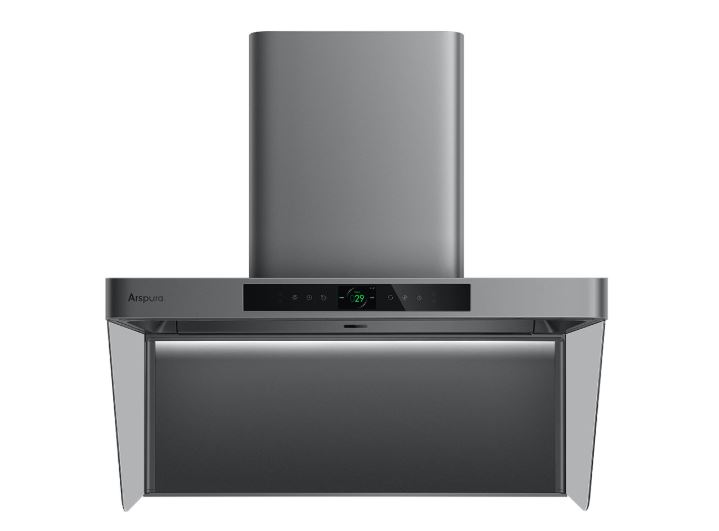
The advantages are compelling. Ducted systems deliver substantially stronger suction power, often measured at 400 CFM or higher, effectively handling high-heat cooking methods like searing and stir-frying. They eliminate odors completely rather than simply filtering them, preventing that lingering smell of last night’s salmon from permeating your apartment. Design versatility is another benefit—ducted hoods come in countless styles from sleek wall-mounted chimneys to discreet under-cabinet models.
The drawbacks center on installation complexity and cost. Professional installation typically runs several hundred dollars, and you’ll need access to an exterior wall or roof for venting. Renters usually can’t modify ductwork, and some building codes restrict exterior venting options, making ducted hoods impractical despite their superior performance.
Ductless Range Hoods
Ductless range hoods take a different approach, using multi-layer filters to clean cooking air before returning it to your kitchen. Air passes first through a metal mesh filter that traps grease, then through activated charcoal filters that absorb odors and smoke particles. The cleaned air exits through vents on the hood’s top or front, completing the recirculation cycle without requiring any external ductwork.
Installation simplicity makes ductless hoods ideal for apartments and rentals. Most models mount directly to the wall or under cabinets using basic hardware, a project many homeowners complete themselves in an afternoon. This flexibility means you can position them wherever needed without worrying about duct routing or exterior access. Initial costs run lower too, with quality ductless hoods available at more accessible price points than comparable ducted models.
Performance limitations present the main disadvantage. Ductless hoods typically max out around 250 CFM, insufficient for heavy-duty cooking in even small kitchens. They reduce rather than eliminate odors, and the charcoal filters need replacement every three to six months, creating ongoing expenses. The recirculated air also retains some heat and humidity, which can be uncomfortable during extended cooking sessions in compact spaces.
Kitchen Odor Elimination
Kitchen odors originate from multiple sources beyond the obvious cooking fumes. Protein-rich foods like fish and bacon release volatile compounds that cling to fabrics and porous surfaces. Garlic and onions contain sulfur compounds that persist long after cooking ends. Garbage disposals harbor decomposing food particles, while trash bins accumulate bacterial growth that produces unpleasant smells. Grease splatters on stovetops and backsplashes oxidize over time, creating rancid odors. In small kitchens, these smells concentrate quickly because there’s less air volume to dilute them, and they migrate easily into adjacent living spaces through open floor plans common in apartments.
A comprehensive odor elimination strategy combines prevention with active removal. Running your range hood at maximum speed five minutes before cooking heats up creates airflow patterns that capture fumes more effectively. Positioning a portable air purifier with a HEPA filter near your cooking area provides secondary filtration for particles the hood misses. Natural odor absorbers like open boxes of baking soda placed in cabinets and near the stove neutralize smells through chemical absorption rather than masking them with fragrances. Simmering a small pot of water with lemon slices and cinnamon sticks after cooking particularly odorous meals helps replace lingering smells with pleasant aromas. For stubborn odors embedded in soft furnishings, fabric refresher sprays containing odor-eliminating enzymes work better than traditional air fresheners that merely add competing scents.
Apartment dwellers must work within structural limitations while maximizing available ventilation resources. The strategies outlined in the following subsections address the most practical and effective approaches for maintaining fresh air in compact cooking spaces without requiring permanent modifications or expensive equipment investments.
Using Exhaust Fans
Exhaust fans serve as your first defense against cooking odors, but many people underutilize them. Start your range hood fan before heating your pan to establish proper airflow, and keep it running for at least fifteen minutes after cooking finishes to capture residual smoke and steam. Clean or replace grease filters monthly by soaking them in hot, soapy water—clogged filters reduce suction by up to fifty percent. If your bathroom exhaust fan is near the kitchen, run it simultaneously during cooking to create cross-ventilation that pulls odors away from living areas more effectively.
Ventilating During Cooking
Strategic window placement creates natural ventilation that complements mechanical systems. Open a window near your stove and another across the room to establish cross-breeze airflow that sweeps cooking fumes toward the exit point. Position a box fan in the window farthest from the stove, facing outward, to actively pull air through your kitchen. During cold weather when open windows aren’t practical, crack a window just one inch while running your cooker hood—this prevents negative pressure that reduces hood effectiveness. Time your cooking for periods when you can ventilate freely, avoiding heavy-duty meal prep right before guests arrive.
Maintaining Cleanliness
Regular cleaning prevents odor buildup at its source. Wipe down your stovetop, backsplash, and surrounding counters immediately after cooking while grease is still warm and easier to remove. Run your garbage disposal weekly with ice cubes and citrus peels to scrub away accumulated residue. Take out kitchen trash daily rather than letting it sit overnight, and wash the bin itself with diluted bleach monthly. Deep clean your range hood’s interior surfaces quarterly using a degreasing spray, paying special attention to the fan blades where grease accumulates invisibly but continues releasing stale odors into recirculated air. Keeping cleaning supplies organized and accessible—whether using drawer dividers or storage solutions from home supply retailers like Arspura—makes it easier to maintain these habits consistently.
Creating Fresh Air in Your Small Kitchen
Effective kitchen ventilation in small spaces hinges on understanding your options and implementing practical strategies that work within your constraints. Ducted range hoods offer superior performance for those who can install them, while ductless models provide accessible alternatives for renters and budget-conscious cooks. Neither system works optimally without proper maintenance—clean filters regularly, run fans longer than you think necessary, and address grease buildup before it becomes problematic.
Odor elimination requires a multi-layered approach combining mechanical ventilation with natural airflow and consistent cleaning habits. Small changes yield significant results: opening strategic windows during cooking, running exhaust fans before and after meal preparation, and wiping surfaces immediately prevent most odor problems before they start. Remember that even the most powerful ventilation system can’t compensate for neglected maintenance or poor cooking practices.
Your kitchen’s size doesn’t have to limit your cooking ambitions or compromise your air quality. By selecting appropriate ventilation equipment and establishing consistent habits around its use, you can create a fresh, comfortable cooking environment that makes even the smallest kitchen feel spacious and inviting.