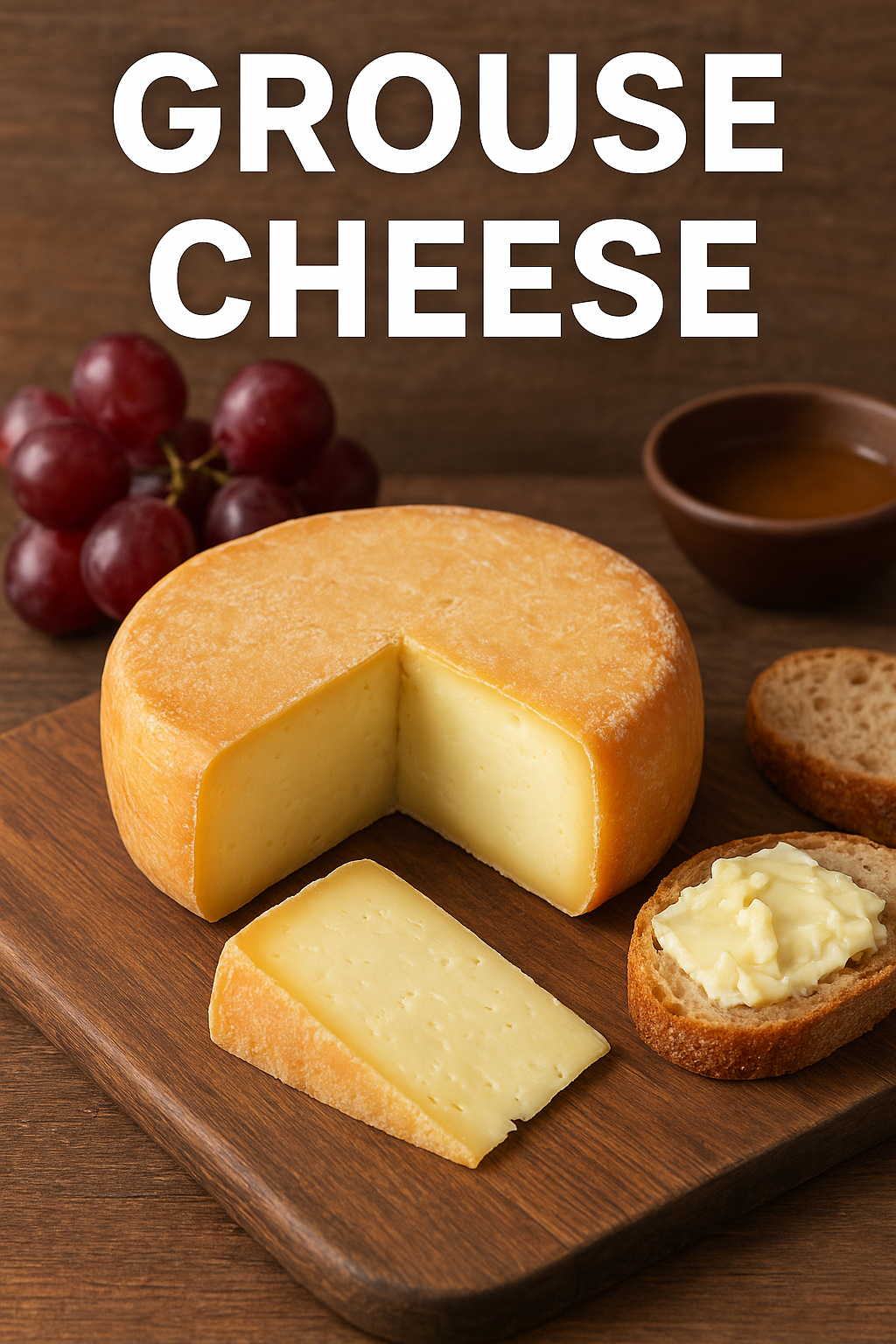
What is Grouse Cheese?
Here’s the truth: grouse cheese is not made from the bird. Instead, it’s a specialty artisan cheese inspired by the landscapes where grouse thrive—think rolling moors, highlands, and rugged pastures. The name reflects tradition and terroir, not the meat itself.
Cheesemakers created it to pair beautifully with grouse dishes (roasted or stewed game meats). Over time, the name stuck, and now it’s known as a cheese with its own bold personality.
When people first hear about grouse cheese, curiosity naturally grows—what does it cost, how do you use it, and how does it compare to other cheeses? If you’re wondering about the grouse cheese price, it usually sits on the premium side because it’s not mass-produced. Think of it as an artisan product, often made in small batches, which makes every piece special. Beyond price, food lovers also explore the grouse cheese recipe options. Some enjoy it melted into hearty dishes like risotto or baked potatoes, while others prefer it simple—served on fresh bread with honey or paired with roasted meats.
When comparing it with other varieties, it helps to understand the types of cheese. From creamy brie to sharp cheddar and tangy blue, every cheese has its own personality. Grouse cheese fits into the rustic, earthy category, perfect for those who love bold flavors. And if you’re new to cheese talk altogether, let’s quickly touch on cheese meaning: cheese is essentially preserved milk, transformed through curdling and aging, but it’s also much more than that—it’s culture, history, and creativity on a plate. Grouse cheese captures all of that, with a taste that’s as memorable as its story.
Key Characteristics of Grouse Cheese:
-
Flavor: Earthy, creamy, with a subtle tang.
-
Texture: Soft and spreadable when fresh, firmer and nutty when aged.
-
Craftsmanship: Often made in small batches by artisan cheesemakers.
-
Heritage: Connected to European hunting culture and rustic dining traditions.
A Brief History of Grouse Cheese
The origins of grouse cheese trace back to rural Europe, especially in places like Scotland, France, and Central Europe. Grouse hunting was a seasonal tradition, often celebrated with hearty meals. To balance the rich, gamey taste of grouse, cheesemakers crafted cheeses with earthy depth.
Over generations, this cheese evolved into a specialty product—something to enjoy during autumn feasts or fine dining occasions. Today, it remains a niche but treasured part of Europe’s culinary heritage.
Flavor Profile and Texture
If you’re wondering what grouse cheese tastes like, here’s the breakdown:
-
Earthy undertones: It reminds you of forests, heather, and autumn air.
-
Creamy richness: Smooth on the tongue with just enough sharpness.
-
Tangy finish: A slight zing that lingers in a pleasant way.
-
Nutty notes: Especially in aged varieties, where flavors deepen over time.
Texture by Age:
-
Fresh: Soft, spreadable, perfect for bread.
-
Semi-soft: Versatile, melts beautifully in dishes.
-
Aged: Firmer, sometimes crumbly, ideal for grating or slicing.
How Grouse Cheese is Made
Like other artisan cheeses, grouse cheese goes through the classic steps:
-
Milk Selection – Usually from cows, goats, or sheep grazing in wild, herb-rich pastures.
-
Curdling – Using natural rennet or plant-based coagulants.
-
Draining & Pressing – To remove whey and form the body.
-
Aging – In cool, humid environments, often with natural rind development.
What makes grouse cheese unique is the terroir influence—the herbs, grasses, and climate of the highlands seep into the milk, creating its signature earthy taste.
Cooking with Grouse Cheese
One of the best parts of grouse cheese is how versatile it is in cooking.
Popular Uses:
-
Cheese Platters: Pairs well with grapes, nuts, and rustic crackers.
-
Over Roasted Grouse: The classic pairing—earthy cheese meets game meat.
-
In Pasta or Risotto: Adds depth and richness.
-
Soups & Stews: A spoonful melted in broth is pure comfort food.
-
Simple Bread Pairings: Fresh grouse cheese on warm bread = heaven.
Pro tip: Try it on baked potatoes with herbs—it’s a rustic comfort dish you won’t forget.
Wine and Food Pairings
Pairing grouse cheese is an adventure in itself.
-
Wines: Pinot Noir, Cabernet Sauvignon, or a full-bodied Chardonnay.
-
Beers: Stouts, amber ales, or farmhouse-style brews.
-
Foods: Cured meats, roasted veggies, wild mushrooms, or rustic breads.
The cheese’s boldness means it doesn’t get overshadowed, even in hearty meals.
Nutritional Profile
Like other artisan cheeses, grouse cheese is:
-
High in protein (great for satiety)
-
Rich in calcium (supports strong bones)
-
Full of healthy fats (in moderation, of course)
For those sensitive to lactose, aged grouse cheese may be easier to digest, since the aging process naturally lowers lactose content.
Buying and Storing Grouse Cheese
Since it’s not mass-produced, finding grouse cheese takes a little effort.
-
Where to Buy: Specialty cheese shops, farmer’s markets, or online gourmet retailers.
-
Storage: Wrap in wax or parchment paper, then place in an airtight container in the fridge.
-
Serving Tip: Let it sit at room temperature for 20–30 minutes before eating. That’s when the flavors truly open up.
Grouse Cheese in Food Culture
Chefs love grouse cheese for its ability to add story and tradition to a dish. It’s not just food—it’s a connection to heritage, landscapes, and old-world craftsmanship. In today’s food culture, where people crave authenticity and artisanal experiences, grouse cheese fits right in.
Personal Takeaway
The first time I tried grouse cheese, I thought it would be odd. Instead, it was unforgettable—bold, rustic, and comforting all at once. Since then, I’ve enjoyed it in risottos, on pizzas, and even just with fresh honey on bread.
It’s more than cheese. It’s history on a plate.
Final Thoughts
Grouse cheese may not be the easiest cheese to find, but it’s worth the hunt. Its earthy flavor, artisanal roots, and cultural significance make it stand out in a world full of mass-produced cheese. If you’re a food lover who enjoys tasting tradition and authenticity, grouse cheese is a must-try.