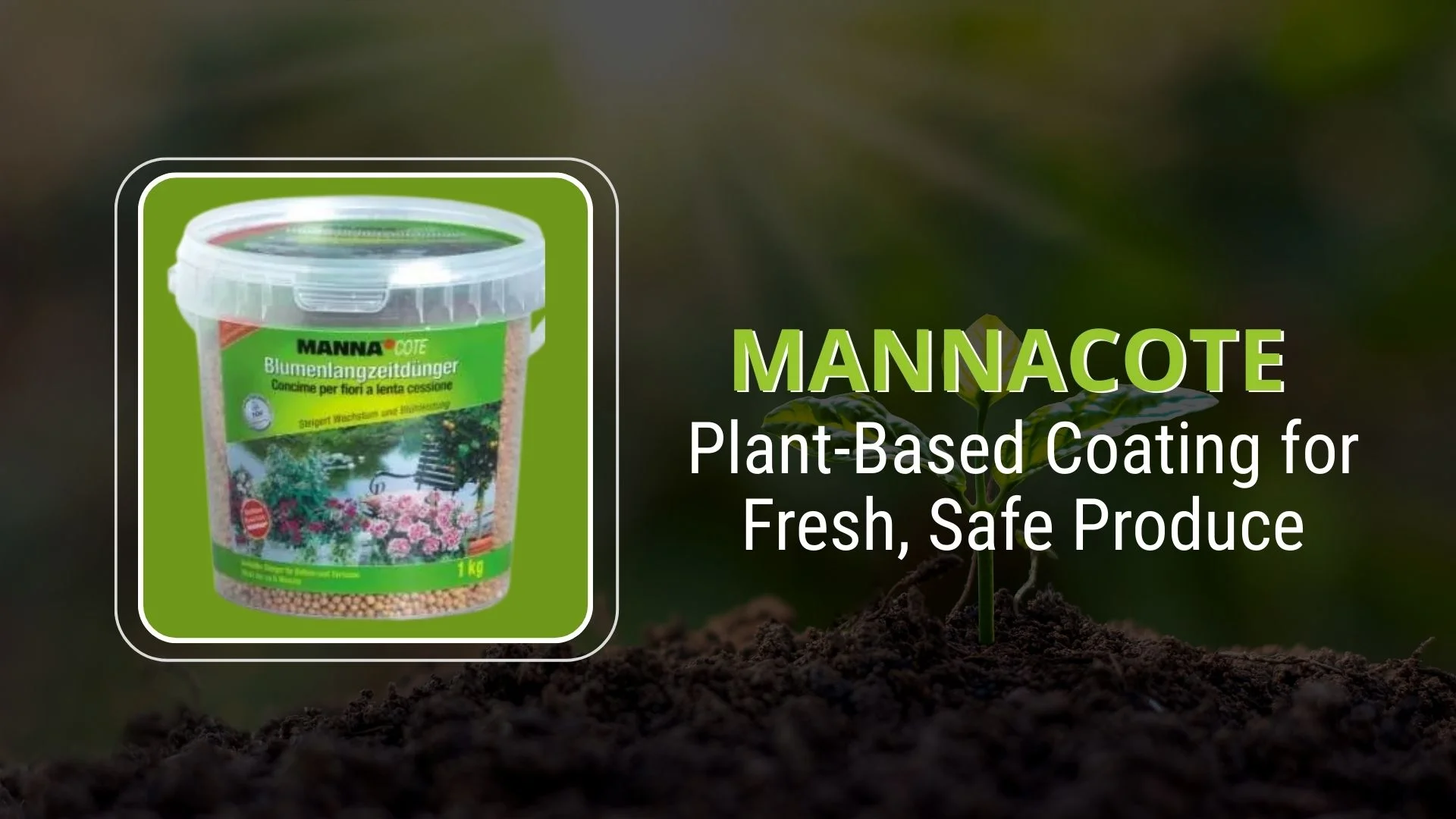
Introduction What is Mannacote?
Mannacote is the name given to a modern protective coating solution that is designed to extend the life of different surfaces and materials. Unlike ordinary paints or sealants, Mannacote is described as forming a durable and flexible layer that resists moisture, corrosion, oxidation, and microbial activity. This makes it useful across industrial, construction, and agricultural applications.
With the world moving toward organic farming and greener lifestyles, Mannacote has emerged as a game-changer for gardeners, farmers, and environmentalists.
Why is Mannacote Important?
-
Soil Enrichment Without Harm: Restores fertility without chemical residues.
-
Eco-Friendly Agriculture: Reduces water pollution and protects ecosystems.
-
Sustainable Growth: Supports long-term soil structure and plant resilience.
-
Healthier Harvests: Boosts the nutritional content of fruits and vegetables.
Key Features of Mannacote
-
Slow-Release Technology – Gradual nutrient supply prevents overfeeding.
-
Organic Composition – Made with natural minerals and organic matter.
-
Soil Microbe Support – Encourages beneficial bacteria and fungi.
-
Water Retention – Improves soil’s ability to hold moisture.
-
Eco-Safe Formula – Reduces leaching into rivers and groundwater.
What are the Uses of Mannacote?
Mannacote is not just another fertilizer—it is a multi-purpose natural soil enhancer that adapts to different gardening and farming needs. Its versatility makes it suitable for both small-scale home use and large-scale agricultural projects. Here’s a detailed look at its primary applications:
1. Home Gardening
For homeowners passionate about kitchen gardens, backyard flowers, or small vegetable patches, Mannacote offers an eco-friendly way to achieve lush growth. It supports leafy greens, tomatoes, herbs, and ornamentals by gradually feeding them essential minerals. Unlike synthetic fertilizers that can burn delicate roots, Mannacote’s slow-release formula ensures steady, safe nutrition.
Example: Gardeners often report bigger, juicier tomatoes and fragrant herbs when Mannacote is used consistently.
2. Commercial Farming
Large-scale farmers face the challenge of maintaining soil health while maximizing yield. Mannacote addresses this by boosting crop productivity without degrading the soil. It is particularly effective for staple crops like wheat, maize, and rice, as well as fruits like apples, mangoes, and grapes.
Since Mannacote minimizes nutrient leaching, farmers save money on repeated fertilizer applications, making it both sustainable and cost-efficient.

3. Container Plants
Container gardening is popular in urban households where space is limited. Mannacote works perfectly for indoor pots, balcony planters, and vertical gardens. By improving water retention and nutrient balance in compact soil volumes, it keeps container plants thriving.
Pro Tip: Just a light sprinkling around the base of potted plants can keep flowers and succulents vibrant for weeks.
4. Landscaping Projects
From lawns and golf courses to public parks, aesthetic greenery demands fertilizers that support consistent growth without overloading the soil. Mannacote enhances grass color, strengthens turf roots, and keeps ornamental shrubs healthy.
This makes it an excellent choice for landscaping companies seeking sustainable solutions to maintain green belts, corporate gardens, and eco-friendly resorts.
5. Orchards & Vineyards
Fruit trees and vineyards require long-term soil enrichment. Mannacote helps by strengthening root systems, improving fruit size, and enhancing natural flavors. Grapes become juicier, apples gain richer color, and citrus fruits grow with better vitamin content.
Farmers have found that Mannacote increases resilience against pests and unpredictable weather, making it ideal for perennial crops.
Areas of Use – Where Can Mannacote Make a Difference?
While its applications are broad, certain specific environments benefit most from Mannacote’s unique formula. Let’s explore:
1. Urban Gardens
With the rise of rooftop farming and balcony gardening, city dwellers are turning to organic fertilizers like Mannacote. It brings life to small patches of soil where synthetic fertilizers may cause harm due to overconcentration. Urban gardeners appreciate how it keeps produce safe for consumption without chemical residues.
2. Agricultural Lands
For rural farmers managing hectares of farmland, Mannacote offers an eco-friendly alternative to synthetic fertilizers. By improving soil structure, it prevents degradation caused by over-farming. Crops grown in Mannacote-treated fields often have better taste, shelf life, and market value.
This makes it a strategic investment for farmers aiming to shift toward sustainable, export-quality produce.
3. Eco-Resorts & Parks
Sustainability is a growing trend in hospitality and recreation. Eco-resorts and green parks increasingly use Mannacote to nurture lawns, gardens, and decorative landscapes. Not only does it keep plants healthy, but it also aligns with the eco-conscious branding of such establishments, reassuring visitors that nature is being respected.
4. Community Farms
Community gardens are designed to provide safe, chemical-free produce for local consumption. Mannacote ensures that these farms can grow toxin-free vegetables and fruits while keeping costs manageable. Its slow-release nutrients reduce the need for constant maintenance, allowing volunteers and gardeners to focus on crop diversity instead of constant fertilizing.
5. Educational Institutions
Schools, colleges, and universities often maintain demonstration gardens to teach students about agriculture, biology, and sustainability. Mannacote is a perfect teaching tool, showing how natural fertilizers can regenerate soil health while promoting eco-friendly farming practices.
By using Mannacote, institutions set an example for future generations about the importance of balancing technology with environmental responsibility.
Benefits of Mannacote Fertilizer
-
For Plants: Steady growth, stronger roots, vibrant leaves, and higher yield.
-
For Soil: Better structure, reduced erosion, and improved aeration.
-
For Environment: Lower pollution, carbon sequestration, and biodiversity support.
-
For Humans: Healthier produce, fewer toxins, and safer gardening.
Pros and Cons of Mannacote
| Pros | Cons |
|---|---|
| Eco-friendly and natural | Higher cost compared to chemical fertilizers |
| Slow-release nutrients | Results may take longer to appear |
| Improves soil health | Availability may be limited in some regions |
| Reduces water pollution | Requires proper watering after application |
| Enhances crop nutrition | Less effective in highly degraded soils without preparation |
Comparison: Mannacote vs. Osmocote
| Feature | Mannacote | Osmocote |
|---|---|---|
| Base Formula | Natural & organic | Synthetic, chemical-based |
| Nutrient Release | Slow, eco-friendly | Slow but chemical dependent |
| Soil Impact | Improves microbial activity | May reduce long-term soil health |
| Environmental Safety | Safe & sustainable | Higher risk of runoff pollution |
| Cost | Slightly higher | Relatively cheaper |
| Suitability | Organic farming & eco-gardens | General home & commercial gardening |
Why choose Mannacote over chemical fertilizers?
Mannacote is the preferred choice because it nourishes plants naturally and sustainably, unlike chemical fertilizers that often overload the soil with synthetic elements. By using Mannacote, gardeners and farmers enrich the soil without leaving behind harmful residues that can damage groundwater, pollute rivers, and harm surrounding ecosystems.
Additionally, Mannacote focuses on long-term soil health. While chemical fertilizers may give fast results, they weaken the soil structure over time, leading to dependency. Mannacote, on the other hand, builds healthier soil that continues to support strong plants season after season.
Can Mannacote be used for all plants?
Yes, Mannacote is designed to adapt to a wide variety of plants ranging from delicate flowers and herbs to hardy grains, fruit trees, and vineyards. It works equally well for leafy greens like spinach, fruiting crops like tomatoes, and even long-term plants like grapevines and citrus orchards.
Its balanced slow-release nutrients make it suitable for almost any soil type, whether sandy, clay-rich, or loamy. This versatility means that gardeners, landscapers, and commercial farmers can all use the same product for different needs without fear of overfeeding or harming their crops.
Is Mannacote safe for pets and children?
Yes, Mannacote is safe for both pets and children, which makes it an excellent choice for home gardens and lawns where families spend time. Unlike chemical fertilizers that may contain toxins or leave behind residues, Mannacote is made with natural minerals and organic matter that are non-toxic.
This safety feature provides peace of mind to homeowners who want a green lawn or productive garden without worrying about harmful exposure. Kids can play outdoors, and pets can roam freely without the risks often associated with synthetic fertilizers.
Does Mannacote work immediately?
Mannacote is not a quick-fix fertilizer—it is a slow-release solution that ensures plants get steady nourishment over several weeks. While chemical fertilizers often cause a sudden burst of growth, this can lead to weak roots and fragile plants.
With Mannacote, the nutrients are released gradually, which promotes balanced, healthier, and long-lasting growth. Although results may take longer to appear, plants grown with Mannacote develop stronger root systems, more resilient leaves, and better yields over time.
Where can buy Mannacote?
Mannacote is available through organic gardening stores, agricultural suppliers, and trusted online platforms that specialize in eco-friendly products. Many local garden centers also stock it alongside other natural soil enhancers, making it accessible for both home users and farmers.
News Spotlight Mannacote Gains Global Attention

In recent months, Mannacote has been highlighted in agricultural communities as a sustainable alternative to chemical fertilizers. With farmers in Europe, Asia, and North America adopting it, reports show a 20–30% improvement in soil fertility and increased yields without ecological harm. Experts believe Mannacote could play a significant role in the global shift toward organic farming and climate-friendly agriculture.
Concepts of Mannacote
-
Corrosion Resistance: Helps metals and equipment last longer by stopping rust and oxidation.
-
Moisture Protection: Prevents water damage on surfaces like wood, concrete, and machinery.
-
Durability: Creates a resilient shield that can handle weather changes and heavy use.
-
Versatile Use: Reported applications range from industrial coatings to seed and produce protection in agriculture.
Why It Stands Out
Mannacote is often marketed as a next-generation coating that offers more than just surface protection. Its combination of strength, eco-friendliness, and adaptability makes it appealing for industries that need long-lasting performance while also caring about sustainability.
Final Thoughts
Mannacote is more than just a fertilizer—it is a vision for sustainable farming and healthy living. By enriching soil naturally, reducing environmental risks, and providing healthier produce, it addresses modern agricultural challenges effectively. While its cost may be slightly higher than synthetic options, the long-term benefits far outweigh the expense.