
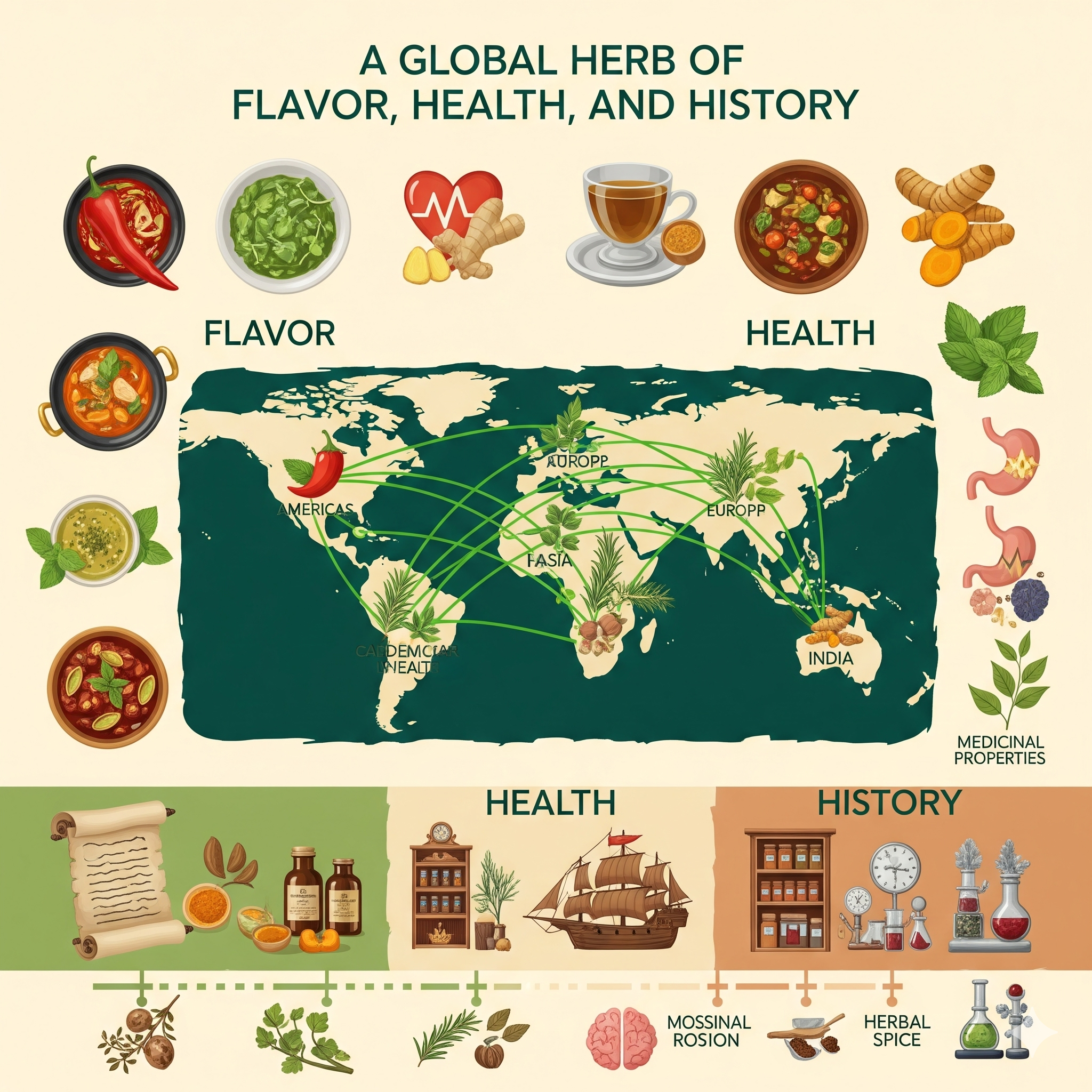
Koriandri, also widely known as coriander or cilantro, is making headlines once again as chefs, nutritionists, and wellness experts continue to highlight its unique role in both kitchens and medicine cabinets around the world. This humble green herb has long been a cornerstone of cooking traditions across Asia, Latin America, and the Mediterranean. But beyond its unmistakable aroma and bright, citrus-like flavor, new research and growing public interest are shining light on Koriandri’s deeper contributions to health and wellness.
A Culinary Favorite Across Borders
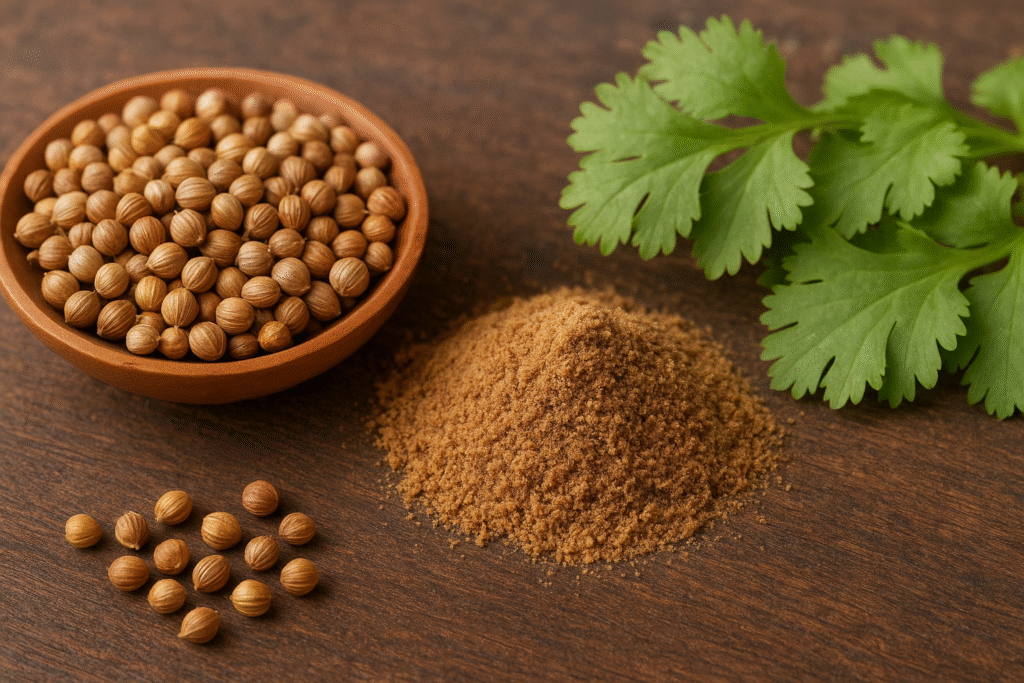
Koriandri’s versatility is unmatched. The fresh leaves—popularly known as cilantro—are essential in Mexican salsas, Thai soups, and Indian chutneys. Meanwhile, its dried seeds (coriander) provide warmth and depth to curries, stews, and baked goods. The dual use of both leaves and seeds places Koriandri among a rare category of herbs celebrated for their complete plant utility.
Interestingly, different regions embrace the herb under distinct names:
-
Dhania in India
-
Cilantro in Latin America
-
Chinese Parsley in parts of Asia
This cultural diversity underscores the plant’s global culinary footprint.
More Than Flavor: A Natural Health Ally
Nutritionists point out that Koriandri is more than just a garnish. It is rich in vitamins A, C, and K, along with minerals like iron and magnesium. Its natural antioxidants are being studied for their ability to reduce inflammation, support heart function, and even assist the body in removing heavy metals.
Experts also note Koriandri’s role in:
-
Digestive health – Its essential oils may soothe the stomach and boost appetite.
-
Immune defense – Studies show antibacterial and antiviral properties.
-
Blood sugar support – Early findings suggest it may help regulate glucose levels.
-
Skin care – Its compounds may aid in calming irritation and improving skin tone.
Growing Demand in the Food and Wellness Industry
Market reports reveal a steady increase in the demand for Koriandri, not only as a fresh herb but also in powdered, dried, and extract forms. With consumers worldwide seeking natural, nutrient-rich ingredients, Koriandri is expected to remain a top choice in both everyday cooking and health supplements.
What is Koriandri and How Can It Be Introduced?
“Koriandri,” more commonly known as coriander or cilantro in different parts of the world, is a plant that has carried importance across cultures for thousands of years. It is both a herb and a spice, offering two valuable forms: fresh green leaves and dried round seeds. The leaves bring a spicy, citrus-like aroma, while the seeds provide a warm, earthy, and slightly sweet flavor.
Introduced first in the warm regions of Asia and the Mediterranean, Koriandri quickly spread around the globe. Ancient Egyptians stored its seeds in tombs, Greeks and Romans used it in food and medicine, and today it continues to hold a central place in kitchens and traditional remedies.
In simple terms, Koriandri is a plant that connects history, culture, taste, and health—all in one.
What are the Key Features of Koriandri That Make It Different?
Why is Koriandri considered special compared to other herbs? Its uniqueness comes from its multiple forms, flavors, and uses:
-
Two Forms in One Plant: Fresh leaves for garnish and dried seeds for spice.
-
Distinct Aroma: Leaves release a sharp, fresh, lemony scent, while seeds smell warm and nutty.
-
Culinary Flexibility: Used raw in salads, cooked in curries, or ground into spice blends.
-
Global Reach: Found in Asia, Europe, Africa, the Americas, and beyond.
-
Nutritional Richness: Contains Vitamin C, Vitamin K, iron, magnesium, and antioxidants.
-
Traditional Medicine Role: Known for aiding digestion, supporting appetite, and carrying antibacterial properties.
This rare combination makes Koriandri both a kitchen essential and a natural wellness ally.
What are the Main Advantages of Using Koriandri?
People have loved Koriandri for centuries not just for its taste but also for its benefits. Here are the main advantages:
-
Flavor Enhancer: Makes simple food richer, fresher, and more aromatic.
-
Supports Digestion: Known traditionally for easing stomach discomfort.
-
Full of Nutrients: Strengthens immunity, bones, and energy levels.
-
Easy to Grow: Thrives in gardens, balconies, or even small kitchen pots.
-
Global Relevance: Fits into diverse cuisines, making it a universal ingredient.
Adding Koriandri to meals is like adding both taste and wellness in a single step.
Which Type of People Usually Use Koriandri?
Who exactly relies on Koriandri? The answer is: almost everyone.
-
Home Cooks: Add it to soups, curries, and fresh salads.
-
Chefs: Use it in restaurants to bring authenticity to cultural dishes.
-
Health Enthusiasts: Value its vitamins and antioxidants.
-
Families: Grow it at home for daily use.
-
Traditional Healers: Recommend it in natural remedies.
Koriandri belongs to no single group; it is an herb for the world.
How Does Koriandri Actually Work for Its Users?
How can one plant serve as both a food ingredient and a health booster? The answer lies in its compounds and how people use it:
-
In Cooking: Fresh leaves release essential oils that brighten food instantly, while dried seeds release a slow, earthy flavor that blends beautifully in cooked dishes.
-
For Health: Its antioxidants fight free radicals, while vitamins and minerals help strengthen immunity, improve digestion, and support energy.
-
For Culture: It works as a bridge, carrying flavors across Asia, Europe, South America, and beyond.
Simply put, Koriandri works by offering taste, nutrition, and tradition—all at once.
Why Koriandri is Getting More Attention Today?
Recently, Koriandri has started trending not only in cooking but also in wellness industries. Nutritionists emphasize its high vitamin and antioxidant content. Farmers report rising demand in both fresh leaves and dried seed markets. At the same time, researchers are studying its natural antibacterial qualities and role in digestion support.
This renewed attention shows that Koriandri is not just an ancient herb—it is a modern superfood gaining value in global markets.
What is Koriandri, and why do people around the world love it?
People love Koriandri because it is both a herb and a spice. Its leaves add a citrusy freshness, while its seeds bring warmth and depth. Beyond flavor, it carries history, health, and global cultural value.
Can Koriandri be used both as a herb and a spice?
Yes! The fresh leaves are used as a garnish or flavor booster, while the dried seeds are crushed or ground into spice blends. Few plants offer such dual usage.
What are the unique health benefits of eating Koriandri?
Koriandri is rich in Vitamin C, Vitamin K, iron, and magnesium. It supports digestion, boosts immunity, and provides natural antioxidants.
Who should include Koriandri in their daily diet?
Almost everyone—from families to chefs—can benefit from Koriandri. It is safe in normal amounts, but those with allergies should consult a doctor.
How do the leaves and seeds of Koriandri differ in taste and use?
The leaves are fresh, spicy, and lemon-like, used raw in soups and salads. The seeds are warm, nutty, and earthy, used in spice mixes, sauces, and curries.
Is it possible to grow Koriandri easily at home?
Yes, it grows well in pots, gardens, or balconies. With sunlight and moderate watering, fresh leaves can be harvested in weeks.
Does everyone enjoy the taste of Koriandri?
Most people love its fresh flavor, but a small group with specific genes may find it tastes like soap. This explains divided opinions.
Are there any side effects of consuming too much Koriandri?
Generally safe, but excessive use may cause discomfort in some individuals. Allergies are rare but possible.
How is Koriandri used in different countries and cuisines?
In Asia, it flavors soups; in South America, it enhances salsas; in Europe, seeds are used in bread; and in the Middle East, it enriches spice blends.
Where can I buy high-quality fresh or dried Koriandri?
You can find it in supermarkets, farmers’ markets, spice shops, or online. Organic options often provide the freshest flavor.
Why Koriandri Outshines Its Competitors
| Feature / Benefit | Koriandri (Coriander/Cilantro) | Parsley | Basil | Mint | Dill | Oregano |
|---|---|---|---|---|---|---|
| Flavor Versatility | Fresh, citrusy leaves & warm, nutty seeds used in diverse cuisines | Mild, grassy, mostly garnish | Sweet, peppery, mainly Italian dishes | Cooling, sharp, limited cuisines | Tangy, anise-like, niche dishes | Earthy, pungent, mainly Mediterranean |
| Parts Used | Both leaves (cilantro) & seeds (coriander) | Leaves only | Leaves | Leaves | Leaves & seeds (less common) | Leaves |
| Global Culinary Reach | Used in Indian, Asian, Latin American, Middle Eastern, and European cuisines | Limited global use | Mostly Italian & Mediterranean | Middle Eastern, South Asian, desserts | Scandinavian & Eastern European | Italian & Mediterranean |
| Nutrient Density | Rich in Vitamins A, C, K, iron, magnesium | High in Vitamin K | High in Vitamin K | Vitamin A & C | Vitamin A & C | Vitamin K |
| Health Benefits | Supports digestion, heart health, detox, immunity, blood sugar balance | Good for bone health | Anti-inflammatory | Aids digestion, cooling | Aids digestion | Antioxidant, antimicrobial |
| Unique Identity | Known by multiple names (Dhania, Cilantro, Chinese Parsley) highlighting cultural significance | Limited identity variations | Well known but region-specific | Known everywhere, not culturally diverse | Regional specialty | Regional specialty |
| Market Demand | High demand worldwide (fresh, dried, powdered, extracts) | Moderate | High but niche | High but niche | Limited | Strong but cuisine-limited |
From ancient kitchens to modern wellness routines, Koriandri continues to bridge cultures, flavors, and health traditions. Whether sprinkled fresh over a taco, blended into curry, or studied for its medicinal potential, this timeless herb has truly earned its global recognition.
. Learn about its culinary uses, health benefits, and cultural significance across continents in this fresh feature.)