Introduction
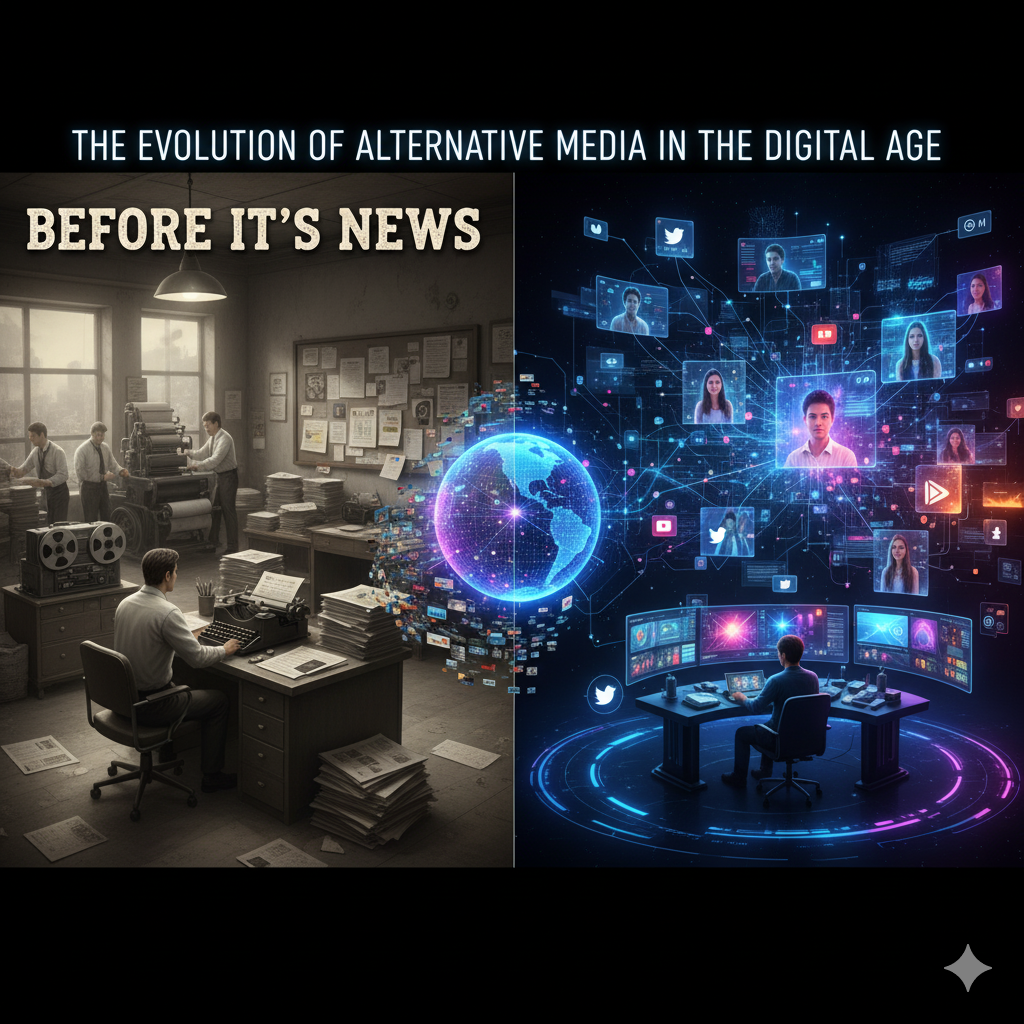
The way people consume news has changed dramatically in the last two decades. Gone are the days when audiences relied solely on television anchors, radio updates, or morning newspapers. Today, the internet dominates the information landscape, offering platforms that allow anyone with an internet connection to become a reporter, commentator, or analyst. One such platform, often at the center of discussions about alternative media, is Before It’s News.
This digital space has positioned itself as a hub for independent journalism, grassroots reporting, and unconventional stories that mainstream outlets often overlook. To understand its significance, we must explore its origins, purpose, controversies, and the larger movement of alternative news that it represents.
What Is “Before It’s News”?
“Before It’s News” is a citizen-driven journalism website where individuals can upload and share articles, commentary, or reports on almost any topic. Unlike traditional media companies with editorial hierarchies and strict publishing policies, this platform thrives on openness and accessibility.
-
Launched in 2008, it quickly gained attention for publishing stories ahead of major outlets or providing angles that mainstream journalists ignored.
-
Its model encourages free speech and grassroots participation, allowing everyday people to break stories.
-
Articles range from politics, science, and technology to more unconventional topics like UFO sightings, paranormal activity, and conspiracy theories.
This makes the platform both valuable and controversial, depending on who you ask.
The Rise of Alternative News Platforms
To fully appreciate Before It’s News, one must understand the larger shift in media consumption:
-
Distrust in Mainstream Media – Surveys consistently show that public trust in traditional outlets like CNN, BBC, or The New York Times has declined. Many feel these organizations serve political or corporate interests.
-
The Social Media Effect – Platforms like Twitter, YouTube, and Facebook have empowered individuals to report events in real time. Citizen journalism often outpaces traditional reporters.
-
Global Accessibility – Anyone with internet access can contribute content, giving voices to people in regions where traditional journalism is censored or restricted.
-
Niche Communities – Alternative news thrives because it caters to audiences who seek specific types of information, whether that’s holistic health, political activism, or unconventional science.
Why People Read “Before It’s News”
People are drawn to Before It’s News for several reasons:
-
Unfiltered Voices: Unlike corporate-run outlets, it publishes stories without heavy editorial interference.
-
Early Coverage: Sometimes, breaking events appear on the site before traditional outlets pick them up.
-
Diverse Perspectives: Readers can find articles on topics ignored by mainstream media.
-
Community Engagement: Writers are often everyday citizens who want to share their experiences and insights.
This grassroots approach creates a sense of empowerment among contributors and curiosity among readers.
Challenges of Credibility
However, with great freedom comes significant challenges.
-
Verification Issues – Since anyone can post, not all stories undergo fact-checking.
-
Misinformation Risks – The platform has been criticized for hosting conspiracy theories or unverified claims.
-
Credibility Gap – Mainstream journalists often dismiss the site as unreliable.
-
Echo Chambers – Readers may only consume content that aligns with their pre-existing beliefs.
This dual nature—freedom vs. responsibility—defines much of the debate around Before It’s News.
Main Points of Today’s News on “Before It’s News”
At the heart of the platform today, several key trends stand out:
-
Citizen Journalism is Expanding: More people are publishing reports on local politics, health issues, and technology breakthroughs.
-
Alternative Narratives Are Rising: Content around climate change debates, financial independence, and off-grid living has surged.
-
Technology Integration: AI, blockchain, and new publishing tools are being discussed as ways to make news more transparent.
-
Freedom of Speech vs. Responsibility: Readers and publishers debate where to draw the line between expression and misinformation.
These trends represent the pulse of alternative media in 2025, with Before It’s News playing a major role.
Comparing “Before It’s News” with Mainstream Media
| Feature | Before It’s News | Mainstream Media |
|---|---|---|
| Accessibility | Anyone can publish | Restricted to trained journalists |
| Editorial Control | Minimal, user-driven | Heavy editorial oversight |
| Topics Covered | Wide, including unconventional | Focused on verified news |
| Credibility | Mixed; depends on author | Generally trusted but sometimes biased |
| Speed of Reporting | Often very fast | Slower due to verification |
This comparison highlights why readers are divided—some see freedom, others see chaos.
The Role of SEO and Visibility
Interestingly, Before It’s News also thrives because of search engine optimization (SEO). Articles are often keyword-rich, shareable, and designed to rank high on Google or Bing. For independent writers, this means:
-
Greater Reach – Stories can attract global audiences.
-
Monetization Potential – Authors sometimes earn revenue through traffic-driven ads.
-
Niche Domination – By targeting specific keywords, writers reach communities hungry for unique content.
Criticism and Controversy
Critics argue that the platform can:
-
Spread conspiracy theories without accountability.
-
Create fear or confusion through sensationalist headlines.
-
Undermine legitimate journalism by mixing truth with speculation.
However, defenders insist that mainstream media also fails at times, often underreporting or spinning stories. They argue that Before It’s News simply levels the playing field.
The Future of “Before It’s News”
Looking ahead, the platform—and alternative media in general—faces several possibilities:
-
Greater Regulation – Governments worldwide are introducing stricter online content rules.
-
Technological Innovation – Blockchain could enable verified citizen journalism.
-
Community Moderation – Users may take greater responsibility for fact-checking.
-
Global Reach Expansion – Non-English contributors are increasingly sharing content.
Whether the platform evolves into a more credible outlet or remains a free-for-all space depends on both its community and the digital policies of the future.
Conclusion
“Before It’s News” represents both the power and pitfalls of alternative journalism. It empowers individuals to share their voices, challenges traditional gatekeepers, and sometimes publishes stories ahead of the curve. Yet, its openness leaves it vulnerable to misinformation and skepticism.
For readers, the key takeaway is clear:
-
Embrace alternative voices, but verify before believing.
-
Enjoy diverse perspectives, but stay critical of what you consume.
In the fast-changing digital world, platforms like Before It’s News will continue shaping conversations long before the evening news reaches your television.