
Food is more than just fuel — it’s memory, culture, and sometimes even a story passed down through centuries. Among the many dishes that carry this deep sense of tradition, bardoek stands out as a fascinating and flavorful treasure. For some people, the very mention of it sparks childhood memories of kitchens filled with aroma, laughter, and community. For others, it’s an exciting discovery waiting to be explored.
But what exactly is bardoek? Where does it come from? And why has it stood the test of time while modern snacks and fast food come and go? That’s exactly the journey we’re going to take in this article.
So, grab a cup of tea (or maybe a snack), and let’s dive into the world of bardoek — a story of flavor, heritage, and a food experience that connects people across generations.
What is Bardoek?
Let’s start simple. Bardoek is a traditional dish rooted in culture, family, and local flavor. Depending on where you first encounter it, you may hear slightly different descriptions, but the essence remains the same: it’s comfort food with a story.
Bardoek usually refers to:
-
A dish made with dough or batter that’s flavored with spices or herbs.
-
Sometimes filled with savory or sweet ingredients depending on the tradition.
-
Often cooked in a way that enhances texture — fried, baked, or steamed.
-
Served during festive occasions, family gatherings, or cultural events.
If you’ve ever had food that instantly makes you feel at home — even if you’re miles away — you already know what bardoek feels like.
A Glimpse Into the Origins of Bardoek
Food history is rarely written down in one neat place. Instead, it’s hidden in stories, markets, and the ways families cook together. Bardoek is no different.
Many believe bardoek originated as a peasant food — something made with humble ingredients like flour, oil, and spices. Because it was simple to prepare and filling, it quickly became a staple for families. Over time, variations developed depending on geography and availability of ingredients.
For example:
-
In some regions, bardoek was savory, made with herbs, garlic, and onions.
-
In others, sweet versions emerged, using sugar, honey, or dried fruits.
-
Some cultures even used seasonal vegetables or meats to give the dish a hearty edge.
What’s beautiful about bardoek is that it isn’t locked into one definition. It’s flexible, adaptable, and shaped by the people who make it. That’s why it feels so timeless.
Why Bardoek Still Matters Today?
You might wonder: “With so many modern snacks and international cuisines available, why are people still talking about bardoek?”
Here’s why bardoek hasn’t faded into the background:
-
Tradition on a plate – Eating bardoek is like stepping back into history. Each bite connects you with generations before you.
-
Versatility – It’s not limited to one flavor. Whether you like spicy, sweet, or savory, there’s a bardoek for you.
-
Comfort food factor – When life gets busy or stressful, people often turn to foods that feel familiar and grounding.
-
Cultural pride – For communities, bardoek is more than food. It’s identity, heritage, and a symbol of continuity.
-
Modern revival – Chefs and home cooks are giving bardoek a new twist, making it exciting for today’s food lovers.
So, bardoek isn’t just surviving; it’s thriving in both traditional homes and trendy kitchens.
The Ingredients That Make Bardoek Special
Every dish has its secret — that little something that makes it unforgettable. With bardoek, the magic lies in its ingredients.
Typical base ingredients include:
-
Flour or dough – The heart of the dish.
-
Spices – Cumin, coriander, cinnamon, nutmeg, or even chili, depending on the recipe.
-
Fillings – Meat, cheese, vegetables, or fruits.
-
Cooking fat – Oil, butter, or ghee that adds richness.
But what makes bardoek really special is not just the ingredients themselves, but how they’re combined. Every family or region has its own version, which means you’ll never find two bardoeks that taste exactly the same.
Traditional Ways of Cooking Bardoek
Now let’s step into the kitchen.
The preparation of bardoek usually follows a few traditional paths:
1. Fried Bardoek
Crispy on the outside, soft on the inside — this method is perfect for people who love texture. Imagine biting into a crunchy crust and discovering a warm, flavorful filling inside.
2. Steamed Bardoek
This style keeps things light and fluffy. The steam locks in moisture, making it soft, tender, and easy to eat. Perfect for sweet versions.
3. Baked Bardoek
The healthier cousin of frying, baked bardoek has a golden crust with less oil. Some families bake large trays of bardoek during festivals and cut them into squares to share.
4. Modern Variations
In recent years, food lovers have experimented with air-fried bardoek, fusion fillings like cheese and jalapeño, or even vegan bardoek. Tradition meets innovation!
Bardoek in Celebrations and Culture
Food and celebration always go hand in hand. And bardoek is no stranger to festive tables.
In many communities, bardoek plays a role in:
-
Weddings – Offered to guests as a symbol of hospitality.
-
Religious festivals – Shared during important holidays.
-
Harvest season – Made when ingredients are abundant, as a way of giving thanks.
-
Family reunions – Served to bring everyone together around the same plate.
What’s heartwarming is that bardoek often isn’t made by just one person. Families gather, roll dough, prepare fillings, and cook together. It’s not only about eating but also about bonding.
Health Benefits (Yes, Bardoek Can Be Good for You)
At first glance, you might think bardoek is just an indulgence. But depending on how it’s prepared, it can offer some surprising benefits.
-
Wholesome carbs – The dough provides energy to keep you going.
-
Spices with healing powers – Many recipes include spices like turmeric, cumin, or cinnamon, which are known for boosting digestion and immunity.
-
Balanced nutrition – Fillings can be packed with vegetables, lean meats, or legumes.
-
Homemade goodness – Unlike fast food, homemade bardoek is free from excessive preservatives or artificial flavors.
Of course, moderation is key. Fried bardoek every day might not be the healthiest choice, but enjoyed occasionally — especially when steamed or baked — it’s both delicious and nourishing.
How to Make Bardoek at Home
Alright, let’s get practical. If you’re curious about trying bardoek in your own kitchen, here’s a simple beginner-friendly approach.
Basic Ingredients
-
2 cups flour
-
1 teaspoon salt
-
1 tablespoon oil or butter
-
½ cup water (adjust as needed)
-
Filling of your choice (vegetables, cheese, or spiced meat)
Steps
-
Prepare the dough – Mix flour, salt, oil, and water until smooth. Let it rest for 20 minutes.
-
Make the filling – Sauté vegetables or cook meat with spices. Keep it flavorful!
-
Shape the bardoek – Roll out small dough circles, add filling, and fold them neatly.
-
Cook – Fry, steam, or bake depending on your preference.
-
Enjoy – Serve warm with a dip, chutney, or even a simple yogurt sauce.
This is just the starting point. Once you get comfortable, you can experiment with flavors, spices, and cooking methods.
Modern Twists on Bardoek
As with many traditional foods, modern chefs have started experimenting with bardoek. Some of the exciting twists include:
-
Cheese-stuffed bardoek – Gooey and comforting.
-
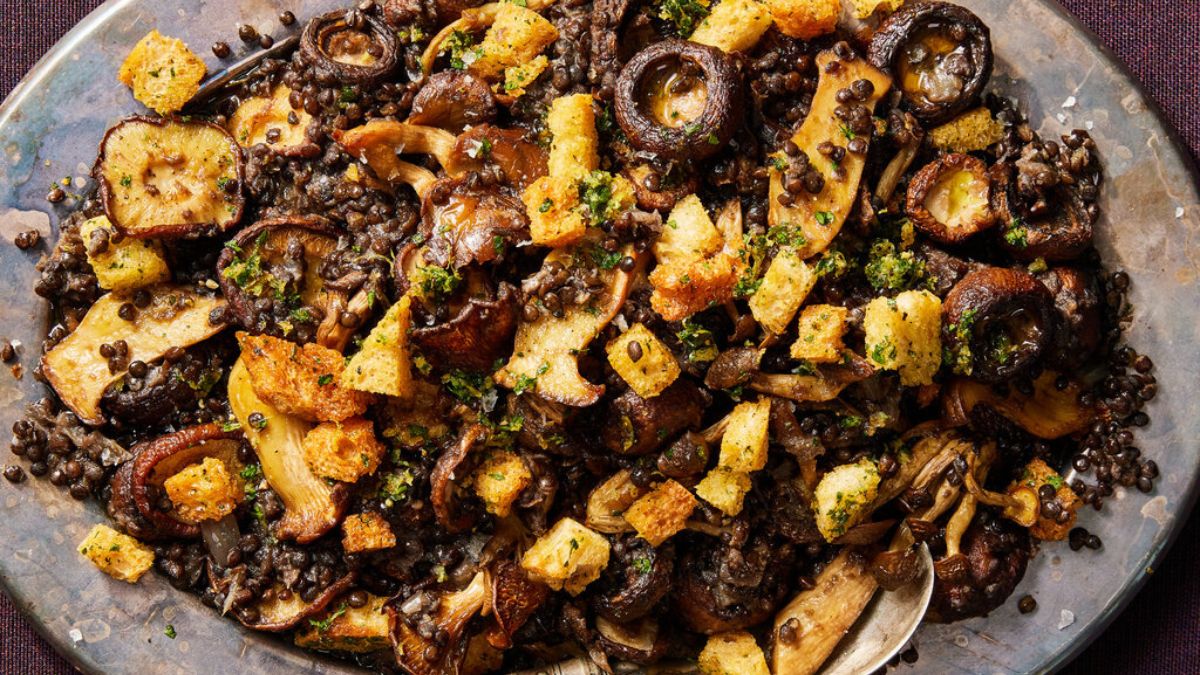
Vegan-friendly bardoek – Using lentils, mushrooms, or plant-based cheese.
-
Dessert bardoek – Filled with chocolate, caramel, or seasonal fruits.
-
Fusion bardoek – Combining flavors from other cuisines, like adding Italian herbs or Mexican spices.
This ability to reinvent itself while still holding on to tradition is one of the reasons bardoek continues to win hearts.
The Emotional Side of Bardoek
Let’s pause for a moment. Beyond flavors, recipes, and history, why does bardoek feel so special?
Because it’s not just food — it’s memory. It’s the laughter of family members rolling dough together. It’s the smell that greets you when you walk into your grandmother’s kitchen. It’s that one dish that makes a festival feel complete.
When people talk about bardoek, they don’t just describe the taste. They talk about the experience, the togetherness, and the comfort it brings. And that’s something no restaurant chain or snack brand can truly replace.
How Bardoek Travels Across Borders
Interestingly, bardoek isn’t confined to one country or culture anymore. Migration, trade, and globalization have helped it travel.
-
Immigrant families carried the recipe with them, keeping tradition alive in new lands.
-
Restaurants abroad have started offering bardoek to introduce diners to something unique.
-
Food bloggers and influencers are now sharing recipes online, making it accessible worldwide.
So, even if you’ve never heard of bardoek before today, chances are you’ll be seeing it more often in food conversations soon.
Tips for Enjoying Bardoek
If you’re new to bardoek, here are some tips to make the most of your first experience:
-
Pair it with dips – Yogurt, spicy chutneys, or even tomato-based sauces complement it well.
-
Try both sweet and savory versions – Don’t limit yourself; each has its own charm.
-
Eat it fresh – Bardoek tastes best when it’s just made, still warm and aromatic.
-
Experiment with fillings – Once you’ve had the classic, try your own version.
Bardoek: A Symbol of Togetherness
Perhaps the greatest lesson bardoek teaches us is the value of sharing. It’s rarely a dish made in isolation. Instead, it thrives in kitchens where multiple hands are at work and multiple hearts are waiting to eat.
In today’s fast-paced world, where meals are often rushed and eaten alone, bardoek reminds us of the joy of slowing down, cooking together, and celebrating food as a community.
Conclusion: Why You Should Try Bardoek
If you’ve made it this far, you’ve probably realized that bardoek is more than just a dish. It’s a living tradition, a comfort food, and a flavorful experience that connects us to culture and family.
Whether you’re curious about trying it for the first time, eager to bring a forgotten recipe back to your kitchen, or simply looking for new flavors to enjoy, bardoek is worth the journey.
So, the next time you’re craving something that goes beyond just taste — something that carries history, warmth, and connection — remember bardoek. Try it, share it, and keep the tradition alive.
Because sometimes, the simplest foods hold the richest stories.