Professional stage lighting transforms ordinary venues into captivating performance spaces, creating atmosphere and directing audience attention exactly where it needs to be. Whether you’re managing a concert hall, theater production, or corporate event, the quality of your lighting setup directly impacts the overall experience and professionalism of your show.
Modern lighting professionals face the challenge of integrating new equipment with existing infrastructure while maintaining consistent performance across different venues and events. Reliable equipment that communicates seamlessly through standardized protocols ensures your shows run smoothly without technical hiccups that can disrupt performances and damage your reputation.
Today’s fast-paced event environment demands lighting systems that offer intuitive control interfaces, allowing technicians to make real-time adjustments during live performances. The ability to quickly program scenes, adjust intensity levels, and create dynamic effects without complicated procedures has become essential for meeting the demanding schedules and creative requirements of contemporary productions.
Understanding Wall Wash Lights
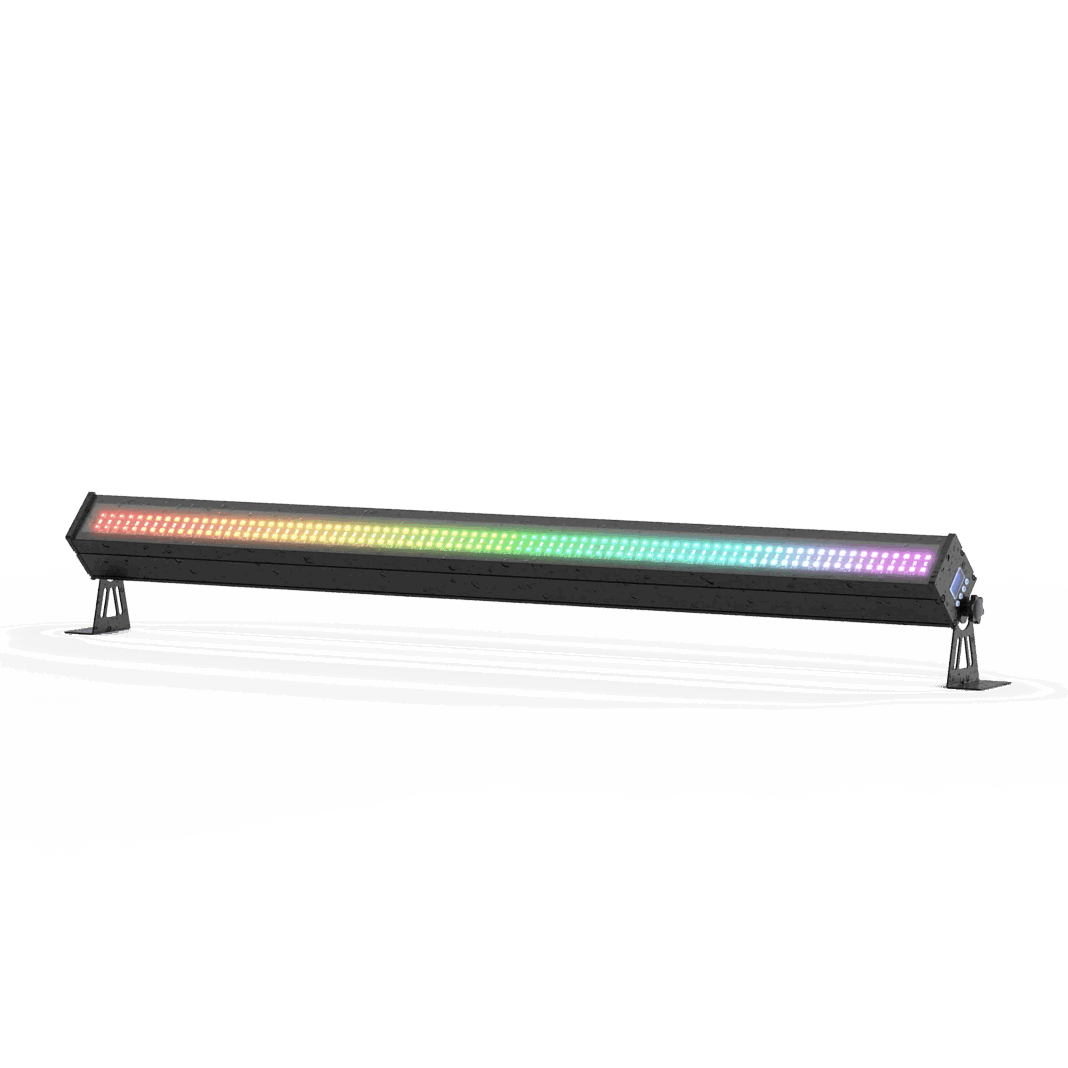
Wall wash lights are specialized fixtures designed to evenly illuminate large vertical surfaces with smooth, consistent color coverage. Unlike spotlights that create focused beams, these fixtures produce wide, diffused light that eliminates harsh shadows and hotspots, making them essential for creating ambient atmosphere and establishing mood throughout performance spaces. They’re particularly effective for bathing backdrops, cycloramas, and architectural features in vibrant colors that enhance visual depth.
The primary advantage of wall wash lights in live events lies in their ability to transform venue aesthetics instantly. By flooding walls and backgrounds with color, they create visual separation between performers and their surroundings, adding dimension to otherwise flat spaces. Their wide beam angles cover extensive areas with fewer fixtures, reducing equipment costs and simplifying installation. Modern LED wall wash units offer additional benefits including lower power consumption, minimal heat output, and the ability to produce millions of color combinations without gel filters. This versatility allows lighting designers to shift from warm amber tones for intimate acoustic sets to saturated blues and purples for high-energy performances, all within seconds. The smooth color mixing capabilities ensure seamless transitions that maintain visual continuity throughout productions, while their silent operation prevents distracting fan noise during quiet moments.
Choosing the Right DMX Controlled Lights
Selecting DMX controlled lights requires careful evaluation of several critical factors that directly impact your production’s success. Channel count stands as the first consideration—fixtures with more DMX channels provide finer control over parameters like color mixing, dimming curves, and movement speed, but they also consume more addresses on your controller. For wall wash applications, fixtures offering individual red, green, blue, and white channels deliver superior color accuracy compared to simpler RGB-only models. Beam angle represents another crucial specification, with wider angles (40-60 degrees) suited for close-range wall washing, while narrower beams work better for distant surfaces or creating overlapping coverage patterns.

Build quality separates professional-grade equipment from consumer products that fail under demanding touring conditions. Robust metal housings protect internal components from impacts during transportation and rigging, while proper thermal management systems prevent LED degradation and color shifting during extended operation. Look for fixtures with sealed electronics compartments that resist dust and moisture infiltration, especially for outdoor events or venues with atmospheric effects. The quality of power supplies directly affects flicker-free performance on camera, making broadcast-safe fixtures essential for televised productions or recorded content.
Durability considerations extend beyond physical construction to component longevity and manufacturer support. Professional fixtures typically feature user-replaceable parts including power supplies, LED modules, and lenses, allowing quick repairs without shipping entire units for service. Verify that manufacturers provide detailed DMX channel maps and firmware updates that add features or resolve compatibility issues with evolving control systems. Warranty coverage and access to technical support become invaluable when troubleshooting problems during critical setup periods, making established brands like UKING Stage Lighting with responsive service networks worth the investment for professionals who cannot afford equipment failures during live events.
Setting Up Professional Stage Lighting
Begin your professional stage lighting setup by conducting a thorough venue assessment before loading in equipment. Walk the space to identify power distribution locations, rigging points, and potential obstacles that might interfere with light placement or cable runs. Measure distances from your planned fixture positions to the surfaces you’ll illuminate, ensuring your wall wash lights will achieve proper coverage based on their beam angles. Document the venue’s existing electrical capacity and circuit locations to prevent overloading breakers during the show. Create a lighting plot that maps fixture positions, DMX addresses, and power requirements, providing your crew with a clear roadmap that eliminates guesswork during installation.
Mount fixtures securely using appropriate hardware rated for their weight, always adding safety cables as secondary attachment points even when using clamps on permanent rigging structures. Position wall wash lights at consistent heights and angles to maintain uniform coverage across surfaces, typically spacing them at intervals equal to their throw distance for optimal blending. When hanging fixtures on truss, distribute weight evenly to prevent structural stress and maintain balance. Run DMX cables from your controller to the first fixture in each universe, then daisy-chain subsequent lights using the through-connectors on each unit. Always terminate the final fixture in each DMX line with a 120-ohm terminator to prevent signal reflections that cause erratic behavior.
Integration with existing control systems requires matching DMX addressing schemes and verifying protocol compatibility before the event begins. Assign each fixture a unique starting address that doesn’t overlap with its channel footprint—a 7-channel fixture starting at address 1 occupies channels 1-7, so the next fixture must start at address 8 or higher. Label both fixtures and corresponding channels in your control software with descriptive names like “Stage Left Wall Wash” rather than generic numbers, enabling quick identification during programming and troubleshooting. Test communication by addressing each fixture individually and verifying response to commands before proceeding with full programming.
Proper cable management prevents tripping hazards and protects connections from accidental disconnection during performances. Secure cables to truss and vertical structures using zip ties or cable ties at regular intervals, leaving slight slack to prevent strain on connectors. Tape down floor cables with gaffer tape at perpendicular angles to foot traffic, creating smooth ramps rather than abrupt edges. Separate power and DMX cables when possible to minimize electromagnetic interference, and never coil excess cable tightly, which can induce signal problems. Mark all connections with tape flags indicating destination points, allowing crew members to trace lines quickly during troubleshooting. Implement lockout-tagout procedures for power distribution, ensuring only authorized personnel can energize circuits, and position fire extinguishers near high-power equipment concentrations as standard safety protocol.
Creating Dynamic Lighting Effects
Dynamic lighting effects transform static stage environments into living visual experiences that respond to music, movement, and dramatic moments. These effects range from subtle color shifts that build emotional tension to explosive strobing and chase patterns that energize audiences during climactic performances. Movement effects create visual interest by sweeping beams across surfaces, while color fades establish smooth transitions between scenes without jarring interruptions. The strategic application of dynamic lighting directs audience focus, emphasizes key performers, and reinforces the emotional narrative of productions. Professional designers layer multiple effect types simultaneously, combining wall wash color changes with spotlight movements and intensity variations to create complex visual compositions that elevate productions beyond simple illumination.
DMX controllers serve as the command center for executing dynamic lighting effects, translating your creative vision into precise fixture instructions. Modern controllers range from compact hardware units with physical faders and buttons to sophisticated software platforms running on tablets and computers. Begin by patching your fixtures into the controller, assigning each light to a channel or group that reflects its position and function. Create basic scenes by recording static looks—specific color combinations, intensity levels, and positions that represent distinct moments in your show. Build dynamic effects by programming transitions between these scenes, adjusting fade times to control whether changes happen instantly or gradually over several seconds. Utilize the controller’s effects engine to generate automated patterns like color chases that cycle through fixtures sequentially, or intensity waves that create rippling movements across your wall wash array. Most controllers allow you to assign effects to playback faders or buttons, enabling real-time triggering that synchronizes lighting changes with musical cues or stage action.
Achieving polished, professional lighting effects demands dedicated programming time and rehearsal with performers before the actual event. Schedule focused programming sessions where you can experiment without pressure, testing different color palettes, timing variations, and effect combinations to discover what works best for each segment of your show. Record your successful experiments as cues or scenes with descriptive labels that indicate their intended use. Run through the entire production multiple times, refining transition timing to match musical tempo changes and adjusting effect intensity to avoid overpowering performers. Practice executing manual overrides and adjustments, developing muscle memory for your controller’s layout so you can respond confidently to unexpected moments during live performances. Document your programming with cue sheets that list scene numbers, descriptions, and trigger points, providing backup reference if you need to recreate looks quickly or train additional operators.
Mastering Professional Stage Lighting
Professional stage lighting setup encompasses understanding specialized fixtures like wall wash lights, selecting quality DMX controlled equipment, implementing proper installation procedures, and mastering dynamic effect creation. Each component plays a vital role in delivering productions that captivate audiences and maintain the technical standards expected in contemporary live events. From evaluating beam angles and channel counts during equipment selection to executing safe rigging practices and programming sophisticated lighting sequences, every decision impacts your final results.
The significance of professional stage lighting extends beyond simple illumination—it shapes audience perception, reinforces artistic vision, and distinguishes memorable productions from forgettable ones. Quality equipment that integrates seamlessly with existing control systems provides the reliability professionals demand, while intuitive interfaces enable the rapid adjustments that live performances require. Investing time in proper setup procedures, cable management, and programming rehearsals pays dividends through flawless execution during critical moments.
Apply these principles to your next production by conducting thorough venue assessments, selecting equipment matched to your specific requirements, and dedicating adequate time to programming and practice. Build your expertise progressively, mastering fundamental techniques before advancing to complex multi-layer effects. Your commitment to professional standards in stage lighting setup will elevate every production you touch, creating unforgettable visual experiences that audiences remember long after the final curtain falls.