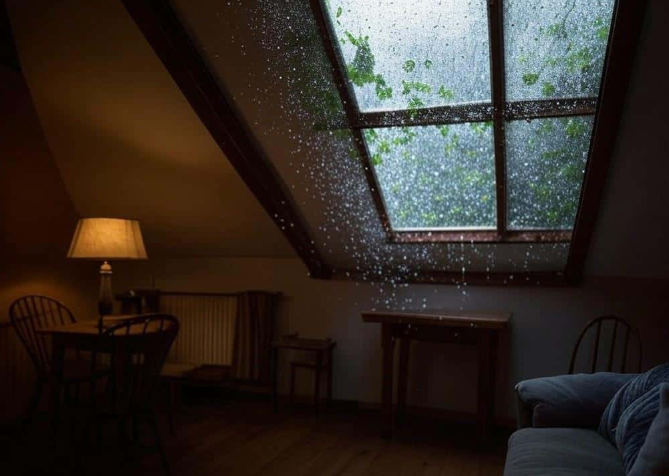
When a big storm rolls through, your attic can take a beating. After the rain and wind settle, it is time to roll up your sleeves and figure out if your attic stayed dry. Learning how to check your attic for leaks after a heavy storm is a game changer that helps protect your roof, insulation, rafters, and even your home’s energy efficiency.Knowing where to look is half the battle. You want to keep an eye out for soggy insulation, water stains, and any signs of mold. A quick attic check can also reveal hidden damage on wooden beams, damaged roofing underlayment, clogged gutters, and roof vent issues.Real life shows leaks do not always gush. Sometimes, they just drip, slowly causing expensive surprises. By recognizing roof leaks, ceiling damp spots, or weird smells early, you save yourself stress and cash. Get smart about spotting trouble in your loft, and save your wallet a headache down the line.
Understanding attic leaks after extreme weather conditions
When a severe storm passes, your attic becomes the first interior line of defense against incoming water. Many attic leaks go undetected until they cause substantial damage to insulation, ceiling drywall, or even the home’s electrical systems. Recognizing the early signs can save you from costly repairs and prolong the life of your roof and attic components. The concept of water intrusion relates to how quickly outside elements like wind-driven rain and melting snow can exploit weak spots, such as flashing around chimneys, roof vents, shingle edges, and eave zones.
Main reasons for attic leaks after storms
Storm-induced attic leaks commonly result from wind damage, hail impact, clogged gutters, broken shingles, or ice dams. Organizations like the National Roofing Contractors Association highlight these factors as among the primary causes of roofing failure. Leaks can form instantly during heavy precipitation or develop gradually after repeated exposure.
- Wind-driven rain: High winds force rainwater into crevices under tiles or around vents.
- Faulty flashing: Damaged or improperly sealed flashing at chimneys or walls creates easy water passages.
- Gutter overflow: Clogged gutters prevent proper drainage, causing water to back up and infiltrate roof edges.
- Physical damage: Hail, falling branches, or even heavy wind lift shingles and expose the underlayment.
- Ventilation blockages: Poor airflow creates condensation in winter, mimicking a leak but still damaging insulation and wood.
Detailed step-by-step process for inspecting your attic for leaks
After a heavy storm, the best time to check your attic for leaks is within the first 24 to 48 hours. Water stains and drips are freshest and most visible, and residual moisture may not have evaporated yet. Use a flashlight and take note of any musty odor, as microbial growth quickly follows excessive moisture.
- Start with visibility: Shine your flashlight along rafters and insulation for damp patches, shiny spots, or discoloration.
- Inspect under the roof deck: Look closely at valleys, roof protrusions like skylights, plumbing vents, or satellite dish mounts for staining or water droplets.
- Touch-test insulation: Gently press insulation to feel for cool, damp, or compressed areas, which usually indicate water has pooled and settled.
- Check around electrical fixtures: Pay extra attention to wiring, junction boxes, or lights where water might gather and pose a fire risk.
- Trace the path: Follow any water stains upward or back to their starting points, helping to pinpoint the precise entry spot on your roof’s surface.
Tools and technology to make attic leak detection easier
While simple observation can uncover most visible issues, certain technologies make detection faster and more reliable. Thermal imaging cameras from companies like FLIR highlight cold, damp areas invisible to the naked eye and are frequently used by professional roofing and leak detection services. Moisture meters are also invaluable for measuring humidity levels in wood and plaster, which can reveal underlying problems even before a stain appears. Leak detection organizations, including Ultrices Lekdetectie, employ acoustic sensors and tracer gas methods to find tiny fissures that escape manual inspection.
- Thermal cameras: Identify temperature differentials caused by wet insulation or wooden beams.
- Moisture meters: Directly measure the percentage of water content in walls, joists, or insulation batts.
- Acoustic detection tools: Utilize sensitive microphones to listen for hidden drips behind finished attic walls or ceilings.
- Tracer gas: A non-invasive method where harmless gas is released into the attic to trace elusive leaks by their outward path.
Types of attic leaks and related indicators
Not all attic leaks leave the same evidence. Accurately identifying the source and type of leak is fundamental for effective repairs. Leaks fall into three main categories:
- Direct roof penetration: Manifested as localized drip marks or puddles under roof protrusions or damaged tiles.
- Condensation leaks: Widespread wetness, musty smell, or saturated insulation, particularly in winter, often stem from poor attic ventilation rather than exterior entry points.
- Indirect leakage: Sometimes water wicks along beams and appears far away from the original entry, evident by elongated, directional water stains.
Look for secondary clues like rusted nails, swollen wood, peeling paint, or darkened insulation. In regions like Flanders and Brussels, variable climate and architectural styles bring distinct attic challenges, so stay attentive to your specific building characteristics.
Action steps for prevention and when to seek professional help
Detecting an attic leak early limits structural, electrical, and health hazards like mold. For simple leaks, patching a shingle or resealing flashing may suffice. For persistent or widespread moisture, professional assessment is crucial due to hidden rot, damaged insulation, or potential electrical risks. Our team at Ultrices Lekdetectie specializes in non-invasive leak detection and has extensive experience with the diverse roofing styles found across Belgium.
- Address drain and gutter blockages annually, especially after storm seasons.
- Ensure all attic vents are clear of insulation and debris to prevent condensation buildup.
- Inspect your attic after every significant storm event, focusing on known weak spots and previous repair areas.
- Consider thermal or acoustic professional surveys if you notice signs of attic leak beyond visible damage.
For more in-depth guidance and immediate leak tracing, explore how our leak detection approach can help: Zolder lekdetectie specialistisch onderzoek. Let us support your attic and roof longevity so you can regain peace of mind after every storm. Request a free quote now and discover the most advanced leak tracing from Ultrices Lekdetectie: Gratis lekdetectie offerte aanvragen.
FAQ
1. How do you spot attic leaks after a heavy storm?
After a serious rainstorm, head up to your attic as soon as it’s safe. Shine a flashlight along rafters and roof decking, hunting for water stains, dark patches, or active drips. Pay close attention to the areas around chimneys, skylights, and roof vents, since they’re leak hot spots. Don’t forget to sniff the air—musty odors can reveal hidden dampness. At Ultrices Lekdetectie, we often find homeowners miss smaller leaks that sit above insulation, so gently move insulation aside and check underneath, too!
2. What visual signs indicate a new leak in my attic?
Fresh leaks usually show up as shiny wet trails, puddles, or actively dripping water—especially during or just after the storm. You might also spot newly warped wood, visible mold, or insulation that looks soggy. If your stored items suddenly smell musty or feel damp, it’s a big red flag. Early leak detection saves you major repairs, so don’t shrug off subtle signs.
3. Where are attic leaks most likely to form after storms?
Leaks love to sneak in where your roof is weakest: near flashing, at the ridge, around plumbing stacks, or at junctions where two rooflines meet. Gabled ends and valleys are notorious troublemakers. A lot of calls to Ultrices Lekdetectie happen after storms when people notice drips near bathroom vents or around their attic access hatch.
4. Can insulation hide attic leaks?
Absolutely! Thick insulation can soak up water like a sponge and hide a leak for weeks. Press on your insulation—if it feels heavy or you see obvious staining, dig deeper. Sometimes mold starts growing beneath insulation before you ever see a drop. Removing a small patch of insulation to check underneath is worth the effort after every big storm.
5. What’s the next step if I find signs of an attic leak?
First, contain the water with a bucket to prevent damage. Take photos of the affected area for reference. Next, trace the water’s path to its source—sometimes leaks can travel far from the entry point. If you’re stumped, or you don’t feel safe tracking it down, contact Ultrices Lekdetectie for a free quote. Early professional help means less stress and damage!