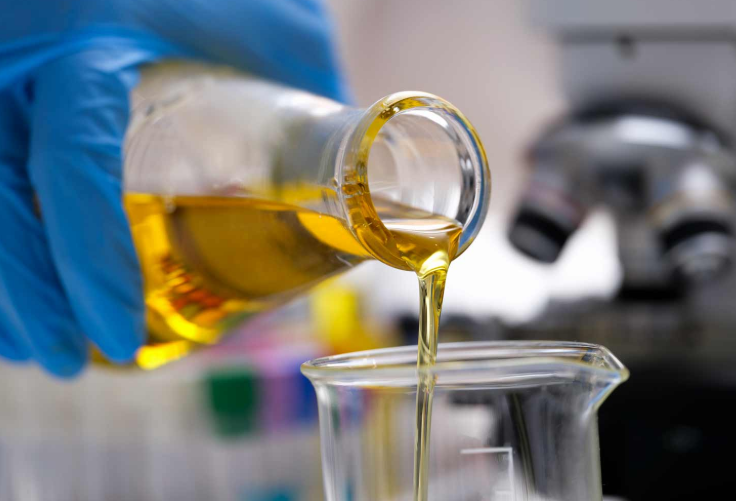
When it comes to the world of edible oils, density may not be the first thing that springs to mind. However, this often-overlooked characteristic plays a crucial role in how efficiently filter machines operate. Understanding edible oil density could mean the difference between smooth processing and costly maintenance down the line.
Imagine your filter machine running at peak performance—efficiently removing impurities while prolonging its lifespan. Sounds ideal, right? The key lies in recognizing how different densities interact with your equipment. By grasping this concept, you can make informed choices that enhance both productivity and longevity. Dive into our exploration of edible oil density and discover why it matters for maintaining your filter machines. Whether you’re a seasoned professional or just starting out in food processing, understanding these nuances will help keep your operations running smoothly for years to come.
Why is edible oil density important for filter machine maintenance?
Understanding edible oil density is crucial for filter machine maintenance. Different oils have varying densities, which can significantly impact the performance of filtration systems. When an oil has a high density, it can lead to increased resistance in the filter media. This may cause clogs and reduce efficiency over time. Conversely, low-density oils might pass through filters too quickly, failing to capture impurities effectively.
Regular monitoring of oil density helps operators choose appropriate filtering techniques and materials. Additionally, knowing the specific density allows for better calibration of equipment settings. Ignoring this aspect may result in unnecessary wear and tear on machinery or even costly breakdowns. Ultimately, maintaining optimal conditions ensures longer-lasting equipment while enhancing processing quality.
The effects of high and low density oils on filter machines;
High-density oils present unique challenges for filter machines. Their thicker consistency can lead to increased resistance during filtration. This may result in slower processing times and heightened wear on machine components. Conversely, low-density oils tend to flow more easily. While this might seem beneficial, it can create its own set of problems. These lighter oils risk bypassing the filters too quickly, allowing impurities to escape into the final product.
Each oil type affects the lifespan of filters differently. High-density oils can clog filters rapidly, while low-density options might leave them less effective over time due to insufficient strain on the cleaning process. Operating a filter machine with inappropriate oil density not only impacts efficiency but also requires frequent maintenance interventions. Understanding these effects is crucial for ensuring optimal performance and longevity of your filtering equipment.
Tips for choosing the right edible oil for your filter machine;
Choosing the right edible oil filter machine is crucial for maintaining its longevity and ensuring optimal performance. With so many options available in the market, it can be overwhelming to make the right choice. However, by considering a few key factors, you can select the perfect edible oil for your filter machine.
- Consider the Viscosity: The viscosity of an oil refers to its thickness or resistance to flow. It plays a significant role in determining how well the oil will perform in your filter machine. For efficient filtration, it is essential to choose an oil with low viscosity as it allows for faster flow through the filter media and reduces clogging and pressure drop. On the other hand, high viscosity oils tend to create more resistance and can result in reduced efficiency and increased maintenance requirements.
- Check Compatibility with Your Machine: It’s crucial to ensure that the edible oil you choose is compatible with your specific filter machine model. Different types of oils have varying chemical compositions that may not work well with certain materials used in filters or cause damage to seals and gaskets if they are not compatible.
- Consider Temperature Requirements: The temperature at which your filter machine operates plays a vital role in determining which type of edible oil will be suitable for use. Some oils are better suited for high-temperature applications, while others perform best under lower temperatures. Choosing an incompatible oil can lead to problems such as decreased efficiency, increased wear on parts, or potential breakdowns.
- Understand Filtration Needs: The type of filtration required by your industry or application also has a significant impact on choosing the right edible oil for your filter machine. Certain oils are specifically designed for heavy-duty applications where there may be contaminants or debris present, while others are better suited for fine particle filtration purposes.
- Evaluate Maintenance Needs: Different types of edible oils require varying levels of maintenance depending on their composition and additives used during manufacturing processes. It’s essential to consider the maintenance needs and costs associated with each type of oil before making a decision.
By considering factors such as viscosity, compatibility, temperature requirements, filtration needs, and maintenance requirements, you can choose the right edible oil for your filter machine. Selecting the appropriate oil will not only ensure optimal performance but also prolong the lifespan of your filter machine, saving you time and money on maintenance and replacements in the long run.
Common issues with filter machines due to incorrect oil density;
Using the wrong oil density can create a host of issues for filter machines. One common problem is clogging. High-density oils may not flow smoothly, leading to blockages in filters and pipes. This can drastically reduce efficiency. Low-density oils pose their own challenges. They might slip through filters too easily, allowing contaminants to linger in the system. This compromises product quality and increases maintenance needs.
Another significant issue is wear and tear on machinery components. Incorrect oil density often results in inadequate lubrication or excessive friction, causing parts to degrade faster than expected. Operators may also notice fluctuations in pressure readings, indicating that something isn’t quite right inside the machine. Regularly monitoring these metrics helps catch problems early before they escalate into costly repairs or downtime.
These complications underscore why selecting the appropriate edible oil density is critical for optimal performance of filter machines.
How to properly maintain your filter machine based on oil density?
Maintaining your filter machine requires an understanding of the oil density you are working with. Higher density oils may require more frequent cleaning cycles. Regularly check filters for clogging to ensure optimal flow.
For lighter oils, you might need to adjust pressure settings. This ensures that the filtration process remains efficient without overworking the machine. Monitor temperature levels as well; high-density oils can generate more heat during operation, which can affect performance and longevity. Lubrication is crucial too—choose a lubricant compatible with your specific oil type to reduce wear on moving parts.
Don’t forget about routine inspections. Assess seals and gaskets regularly to prevent leaks that could disrupt efficiency or cause contamination issues in your system.
Alternative solutions for maintaining filter machines with varying densities;
There are various ways to maintain filter machines with varying densities of edible oil. These alternative solutions can help prolong the longevity and efficiency of your filter machine, ultimately saving you time and money in the long run.
- Regular Cleaning and Maintenance: One of the most important steps in maintaining filter machines is regular cleaning and maintenance. This applies to all types of oils, not just edible oils with varying densities. The frequency of cleaning will depend on the type and amount of oil being filtered, but typically it should be done at least once a month. This helps prevent buildup and clogging within the machine, ensuring smooth operation.
- Use Appropriate Filter Media: Another solution is to use appropriate filter media for different densities of edible oil. Different types of filters are designed for specific types of oils, so using the correct one for your specific needs can make a big difference in maintaining your machine’s longevity. For instance, if you’re filtering high-density oils like coconut or palm oil, using a coarse filter media will be more effective than a fine one.
- Consider Pre-Filtering: In cases where there is a significant variation in density between batches of edible oil to be filtered, pre-filtering can be an effective solution. This involves passing the oil through an initial filtration process before it enters the main filter machine. This will help remove any large particles or impurities that could potentially cause clogging or damage to your main filter.
- Invest in Quality Equipment: It’s essential to invest in quality equipment when it comes to filtering edible oils with varying densities. Cheaper machines may seem attractive initially but may end up costing more in repairs and replacements due to their lower durability and effectiveness.
- Monitor Oil Temperature: The temperature at which you’re filtering your oil can also affect the lifespan of your filter machine. High temperatures can cause faster degradation of some types of oils, leading to clogs and increased wear on your filter. It’s important to monitor and control the temperature during the filtration process to avoid any potential damage.
Maintaining filter machines with varying densities of edible oil requires a combination of proper cleaning, using suitable filter media, and investing in quality equipment. By following these alternative solutions, you can ensure that your filter machine stays in good condition and provides efficient filtration for a longer period. Remember to always read and follow the manufacturer’s instructions for your specific machine model to get the best results.
Conclusion
Understanding and managing edible oil density is crucial for the longevity of filter machines. The right oil not only enhances performance but also minimizes wear and tear on components. When you choose oils with appropriate densities, you ensure smoother operations and reduce maintenance costs.
It’s essential to be aware of how both high and low-density oils can influence your equipment. Choosing the wrong type can lead to clogging or insufficient filtration, ultimately affecting product quality. Regular monitoring of oil density helps in preempting potential issues before they escalate. Implementing routine maintenance tailored to specific oil characteristics will prolong the lifespan of your filter machine significantly. With proper care, these machines can operate efficiently for years.
By investing time into understanding edible oil density, you’ll foster a more reliable filtering process while safeguarding your machinery’s functionality over time. This knowledge not only optimizes performance but also ensures that your operations run smoothly without unnecessary interruptions.