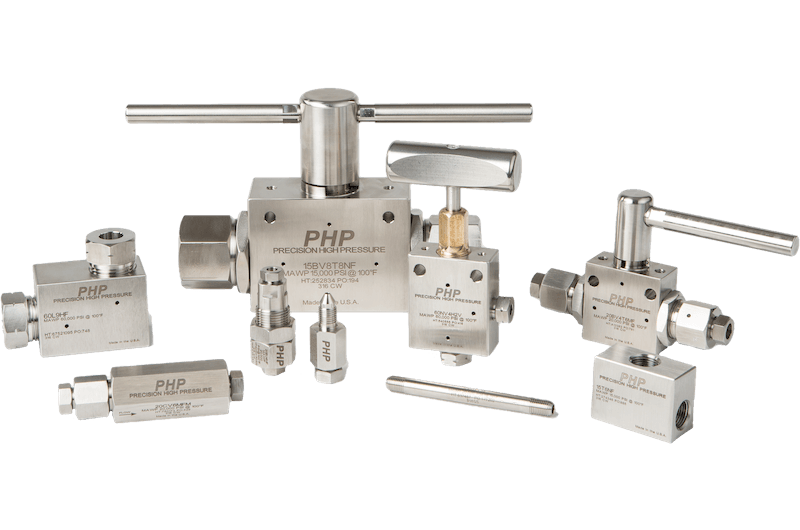
The proliferation of high-pressure valves across Singapore’s industrial landscape represents more than technological advancement; it embodies the city-state’s transformation into a sophisticated node within global capitalism’s circulatory system. These precision instruments, operating at pressures reaching 150,000 PSI, reveal the infrastructure through which contemporary empire manages the flow of resources, energy, and ultimately, power itself.
Historical Context of Pressure Control
Singapore’s emergence as a high-pressure valve manufacturing hub reflects broader patterns of industrial development that echo colonial resource extraction models. The island’s strategic position historically facilitated British imperial control over regional trade routes; today, it serves similar functions for global energy and petrochemical networks. The same geographic advantages that once made Singapore essential for managing colonial commerce now make it indispensable for controlling the high-pressure systems that power contemporary industrial capitalism.
The evolution from simple mechanical valves to sophisticated pressure control systems mirrors Singapore’s transformation from colonial port to technocratic city-state. Each advancement in valve technology, from basic relief mechanisms to computer-controlled pressure regulation systems, represents another layer of complexity in the global systems that extract, refine, and distribute resources across continents.
Industrial Applications and Their Implications
Singapore’s high-pressure valve systems serve industries whose operations extend far beyond the island’s boundaries:
-
Petrochemical processing facilities that transform crude oil into plastics and chemicals consumed globally
-
Hydrogen production and distribution networks supporting the “clean” energy transition whilst maintaining existing energy hierarchies
-
Subsea valve systems enabling deep water resource extraction across Southeast Asian waters
-
Power generation facilities that stabilise electrical grids whilst perpetuating fossil fuel dependence
-
Semiconductor manufacturing requires ultra-pure water systems and precise chemical delivery
“Singapore’s commitment to high-pressure valve technology reflects our strategic position in global supply chains where precision control translates directly to economic and political influence,” observes a senior process engineer working within the island’s energy sector.
The applications reveal uncomfortable truths about Singapore’s role in global resource flows. Hydrogen systems, marketed as environmental solutions, often rely upon natural gas reformation processes that perpetuate carbon dependence. Subsea valves enable extraction activities that displace fishing communities and damage marine ecosystems. The precision that makes these systems efficient also makes them tools for concentrating wealth and power.
Technical Specifications as Political Economy
The technical capabilities of Singapore-manufactured high-pressure valve systems, pressures from 10,000 to 150,000 PSI, temperature ranges from cryogenic to extreme heat, and materials engineered to resist corrosion from aggressive chemicals, represent engineering achievements that serve specific economic interests. These specifications are not neutral; they enable industrial processes that benefit certain actors whilst imposing costs on others.
Consider the materials science underlying these systems. Exotic alloys capable of withstanding extreme pressures require mining operations that devastate landscapes across the Global South. The precision manufacturing techniques demand highly skilled workers whose training represents massive educational investments that could serve alternative purposes. The testing procedures that validate system safety consume significant energy whilst ensuring the reliability of processes that may contribute to broader environmental degradation.
Manufacturing and Labour Dynamics
Singapore’s position as a high-pressure valve manufacturing centre relies upon labour arrangements that reflect global inequalities. Local facilities employ highly skilled technicians whose expertise commands premium wages, whilst component production often occurs in facilities across Southeast Asia where labour costs remain suppressed. This geographic distribution of manufacturing stages allows Singapore-based companies to capture value whilst externalising production costs.
The knowledge concentration in Singapore, engineering expertise, quality control systems, and customer relationships ensure that the island captures disproportionate value from global valve markets. This arrangement mirrors colonial patterns where metropolitan centres concentrated high-value activities whilst periphery regions provided raw materials and basic manufacturing.
Regulatory Frameworks and Standards Compliance
Singapore’s regulatory environment for high-pressure systems reflects the city-state’s broader approach to managing industrial capitalism. Standards compliance, ASME, API, and PED certifications create barriers to entry that benefit established manufacturers while presenting themselves as safety measures. These regulatory frameworks often originate in Western standards organisations, ensuring that technological development continues to serve interests aligned with existing power structures.
The emphasis on safety and quality, whilst genuinely important for preventing industrial accidents, also serves to legitimise industrial processes that may be fundamentally problematic. Perfectly safe high-pressure valve systems can enable resource extraction activities that displace communities, poison watersheds, or accelerate climate change.
Future Trajectories and Alternative Possibilities
Emerging developments in pressure valve technology, digital monitoring systems, automated pressure control, and predictive maintenance algorithms suggest both intensification of existing patterns and potential for alternative applications. These technologies could theoretically serve more equitable and sustainable industrial processes, but their development occurs within unchanged economic structures that prioritise profit maximisation over social benefit.
The question becomes whether Singapore’s accumulated expertise in high-pressure systems can be redirected toward genuinely transformative purposes. Could the same engineering capabilities that enable fossil fuel extraction serve renewable energy systems that genuinely democratise energy access? Could precision pressure control serve local manufacturing that reduces rather than increases global supply chain dependence?
Conclusion: Control, Flow, and Power
Singapore’s mastery of high-pressure valve technology positions the city-state at critical junctions within global industrial networks. The ability to control pressures, regulate flows, and manage the technical systems that power contemporary capitalism translates into economic and political influence that extends far beyond the island’s geographic boundaries.
Yet this technical mastery occurs within unchanged political economic structures that concentrate wealth whilst imposing environmental and social costs on those least capable of resistance. The future development of Singapore’s industrial capabilities will determine whether these sophisticated technologies serve broader human flourishing or merely intensify existing patterns of exploitation through ever more sophisticated valves and fittings.