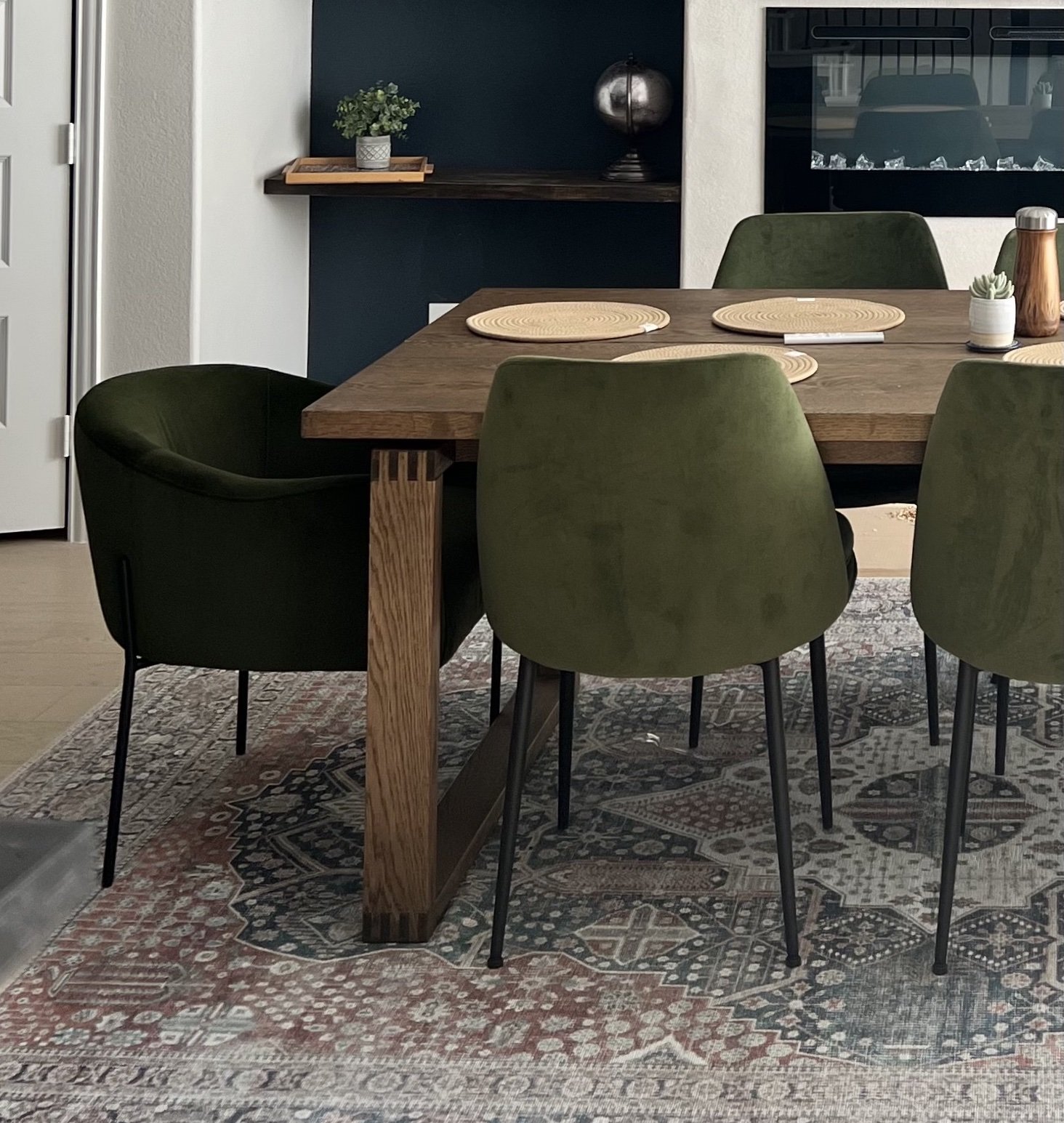
Consider Ergonomics When Choosing Restaurant Chairs
Comfort starts with proper ergonomics, and this should be your top priority when selecting restaurant chairs. Ergonomically designed chairs support natural posture, reduce strain on the back, and enhance the overall dining experience. Look for chairs with well-contoured backs, appropriate seat depth, and ideal seat height—typically around 17 to 19 inches from the floor.
Restaurant chairs should allow customers to sit upright without slouching while still feeling relaxed. Chairs with curved backs or built-in lumbar support provide additional comfort, especially during longer meals. Also, consider the chair’s armrests; they should support the elbows without forcing diners into an awkward sitting position.
An ergonomic design not only boosts customer satisfaction but also encourages longer visits, which can lead to higher order values. Investing in restaurant chairs that prioritize body support and posture is a smart step toward building a welcoming and enjoyable dining environment.
The Role of Materials and Padding in Restaurant Chair Comfort
The materials and padding of restaurant chairs play a vital role in determining how comfortable they are. Soft padding or upholstered seats are generally more comfortable than hard surfaces, especially in restaurants where customers are expected to stay for extended periods. High-density foam cushions offer support without quickly wearing down, ensuring long-term comfort and durability.
Upholstery materials like leather, vinyl, or fabric each offer distinct benefits. Leather and vinyl are easy to clean and maintain, making them ideal for busy dining settings, while breathable fabrics offer a warmer, more luxurious feel for upscale venues. Wood or metal chairs without cushions may look stylish but can become uncomfortable without proper shaping or padding.
When choosing restaurant chairs, always strike a balance between aesthetics, ease of cleaning, and user comfort. Quality materials not only enhance the dining experience but also withstand daily wear and tear, ensuring your investment lasts longer.
Matching Restaurant Chairs to Your Dining Style and Ambiance
Comfort is also influenced by how well the restaurant chairs match your venue’s dining style and ambiance. A fast-casual restaurant might prioritize simple, durable chairs with basic padding to accommodate quick turnover. In contrast, a fine dining establishment benefits from plush, upholstered chairs that encourage guests to stay longer and enjoy their meal in comfort.
Consider the visual harmony between your tables, flooring, and lighting when selecting chairs. Colors, textures, and design styles should reflect the personality of your restaurant. For example, wooden chairs with soft cushions can complement rustic or vintage interiors, while sleek metal chairs with minimal padding might suit modern or industrial-themed spaces.
Testing Durability Without Compromising Comfort in Restaurant Chairs
Durability and comfort must go hand in hand when selecting restaurant chairs. Commercial environments demand furniture that can withstand constant use, shifting weight, and frequent cleaning. However, strength should never come at the expense of comfort. Choose chairs constructed from sturdy materials like hardwood, steel, or reinforced plastic, with cushioning that retains its shape over time.
Before making a purchase, test the restaurant chairs yourself. Sit in them for several minutes, check for wobbling, and ensure the padding doesn’t flatten too easily. Look for high-quality stitching and durable finishes that resist scratches and stains.
Conclusion: Prioritizing Comfort for Lasting Customer Impressions
Comfortable restaurant chairs are more than a design choice—they’re a vital part of the customer experience. From ergonomic support and high-quality materials to stylistic harmony and lasting durability, every element matters. Comfortable seating encourages guests to stay longer, return often, and leave with a positive impression of your establishment.
When selecting restaurant chairs, think beyond appearance. Evaluate how each option supports posture, complements your ambiance, and withstands the demands of daily use. Small touches—like padded seats, supportive backs, and the right material—can make a significant difference in how customers perceive your service and atmosphere.