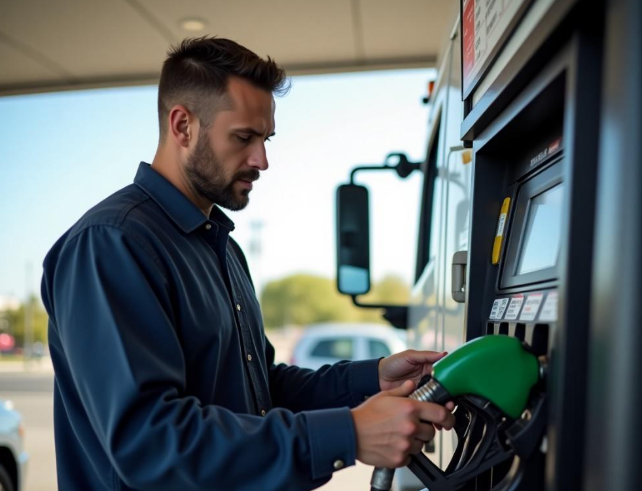
Fuel card fraud can quickly become a costly problem for businesses managing vehicle fleets. With large volumes of transactions and decentralized fueling activities, the risk of unauthorized usage grows significantly. Implementing robust security features within your fuel card system is essential for maintaining integrity, minimizing risk, and ensuring compliance. Companies using the Fleet One Edge reported savings averaging $400 per truck monthly, underscoring the value of secure, cost-effective solutions.
Advanced Authentication to Safeguard Access
A foundational layer of fuel card protection begins with advanced authentication protocols. These include PINs, driver IDs, and vehicle-specific pairing to ensure only authorized users can initiate transactions. This level of identity verification makes it significantly harder for internal or external actors to misuse cards. Multifactor authentication further enhances security, requiring drivers to validate identity through multiple checks before access is granted. The RTS Financial Card, for instance, saves large fleets between $0.20 to $0.40 per gallon, making secure authentication a key driver of overall expense management.
Monitoring Transactions in Real-Time
Real-time monitoring plays a crucial role in detecting suspicious activity. When your fuel card system tracks all transactions instantly, it allows for immediate identification of anomalies such as unusual fueling locations, excessive refueling, or rapid-fire purchases. These monitoring tools support better risk management by flagging activity patterns that deviate from norms, enabling businesses to act swiftly and prevent further loss. Fuel accounts for an average of 23% of annual revenue, making efficient tracking of transactions vital to reducing operational costs.
Geofencing and Location-Based Controls
Technology such as geofencing enables businesses to limit card usage to specific regions or fueling stations. This prevents cards from being used outside approved zones, minimizing the chance of misuse. Location tracking tools also ensure that fueling activity corresponds with actual fleet routes, providing another layer of transaction verification. The Coast Fleet Card, for example, is accepted at 30,000+ partner stations and offers a rebate of 4¢–10¢ per gallon, demonstrating the importance of a strong acceptance network combined with usage control.
Customizable Alerts and Spending Limits
Alerts are a frontline defense in detecting unauthorized usage. Fuel card systems can be configured to send automatic notifications for high-value purchases, off-hour transactions, or repeated attempts within a short time frame. In conjunction with real-time alerts, spending limits can be enforced per transaction, per day, or by fuel type, making it harder for fraudulent activity to go unnoticed. Save up to 10 cents per gallon with Fuelman or similar cards by maintaining tight control over purchase parameters.
Encryption and Secure Data Handling
Fuel card systems must employ encryption to protect sensitive data both at rest and in transit. Modern security frameworks encrypt cardholder details, transaction records, and authentication credentials, reducing exposure in the event of a breach. Regular system updates and compliance with data protection standards (like PCI DSS) reinforce the safety net and uphold business credibility. The Exxon Mobil card offers rebates of up to 6 cents per gallon based on monthly volume, linking secure infrastructure with tangible savings.
Controlled Access and Role-Based Permissions
Restricting system access to essential personnel through role-based controls helps ensure that sensitive fuel card information is not freely accessible. Only authorized administrators should be able to adjust settings, review logs, or modify card details. This reduces insider threats and enhances accountability across fleet operations. Fleet card management platforms often integrate such controls to optimize security and reduce administrative risks.
Detection of Fraudulent Patterns Using Analytics
Analytics-based fraud detection tools leverage historical data and machine learning to spot inconsistencies. If a card consistently purchases above the average for a given vehicle or diverges from normal usage patterns, the system can flag it for investigation. These data-driven insights not only identify fraud but also help fine-tune preventive strategies over time. Some fuel cards, like those from WEX, offer discounts at 16,000+ truck stops and work at 95% of U.S. gas stations, showing the breadth of network and benefits of usage analytics.
Preventing Identity Theft Through Verification Protocols
Identity theft remains a primary method of initiating fuel card fraud. By enforcing strict verification at the point of issue, during login, and throughout the transaction lifecycle, businesses can shield themselves against impersonation attacks. Biometric checks and digital tokenization are emerging technologies enhancing this layer of protection. Cards with advanced verification protocols support secure purchases, reducing the risk of fraud and increasing confidence in fuel card usage.
Integrating Risk Management with Operational Efficiency
Balancing fraud prevention with operational agility is a key challenge for fleet managers. Security features should be implemented without slowing down legitimate fueling activity. Seamless integration of security protocols within business workflows allows companies to operate efficiently while still safeguarding assets. Fuel cards that blend fraud mitigation with operational ease optimize both security and business continuity.
A Strategic Approach to Fuel Fraud Prevention
Fuel fraud is not just a financial loss—it affects trust, productivity, and operational control. Leveraging security tools such as transaction monitoring, advanced authentication, real-time alerts, and secure data practices is no longer optional for modern fleets. A well-designed fuel card system that combines technology, compliance, and strategic oversight provides the best defense against fraud and misuse. Companies have reported saving up to $2 per gallon on fuel and up to 30% on truck maintenance through comprehensive fuel card programs.
Fleet managers must take a proactive approach to protecting fuel card integrity. From implementing limits and role-based access controls to embracing new technologies like geofencing and analytics, each layer contributes to a safer, more resilient fleet operation.
The smarter your fraud prevention system, the stronger your business stands against future threats.