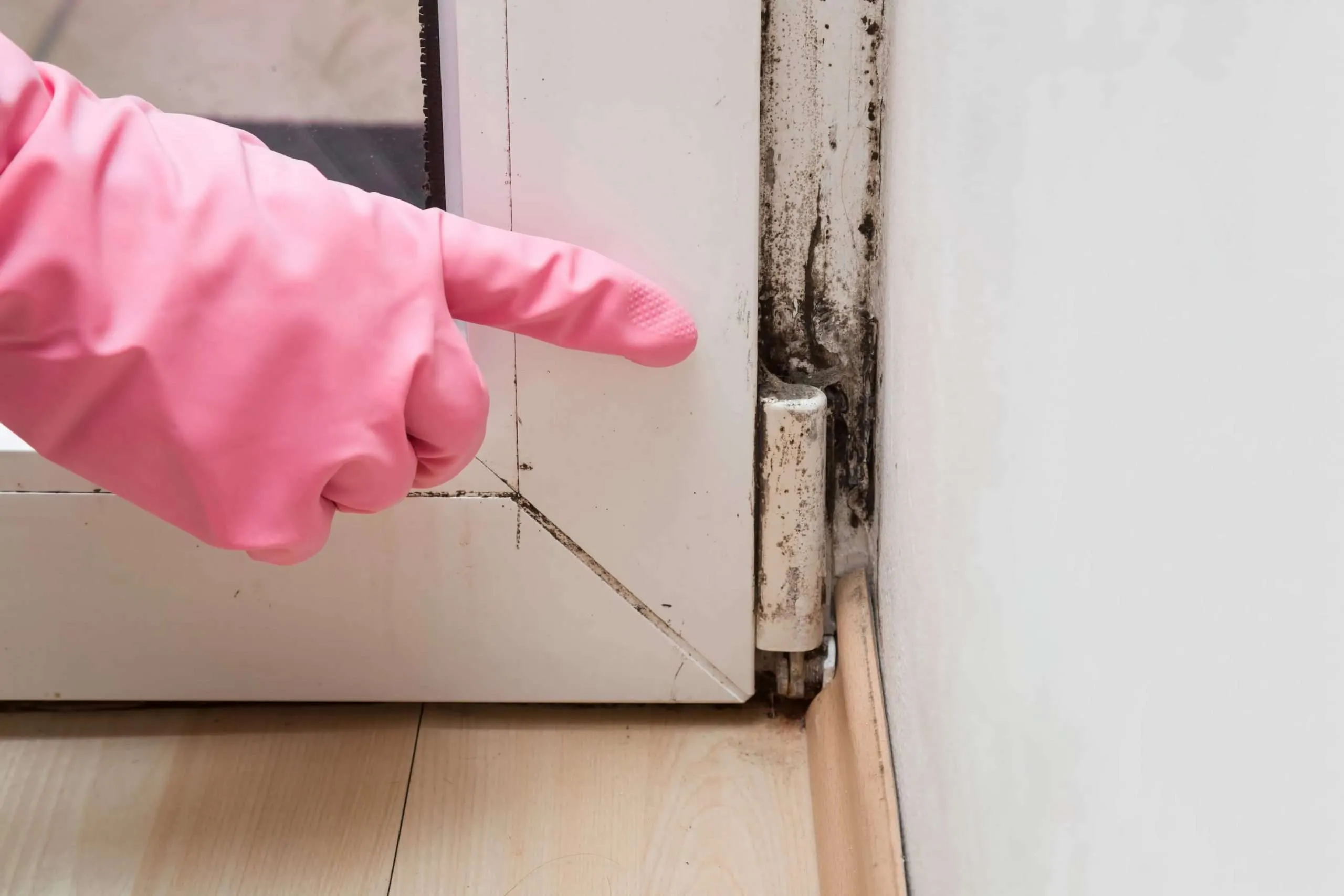
Imagine this: a homeowner walks into their basement and finds three inches of standing water. Panic sets in. What’s the first thing they do? They pick up their phone and search for a local restoration company. But they don’t just call the first result—they check the reviews.
In an industry where urgency meets uncertainty, trust is everything. And these days, trust begins online.
So how exactly do online reviews impact your restoration business—not just your reputation, but your visibility on search engines like Google?
Let’s discuss.
The Power of Word-of-Mouth in the Digital Age
Before the internet, people relied on neighbors and family for recommendations. Today, Google reviews, Yelp ratings, and Facebook comments have taken that role.
Online reviews are the new word-of-mouth, only amplified—because they’re public, searchable, and always visible.
Here’s the kicker: nearly 90% of consumers read online reviews before choosing a local service. In restoration, where trust and speed matter most, reviews can be the deciding factor between a booked job and a lost lead.
Let’s Break It Down: Why Reviews Matter for Restoration Companies
Online reviews don’t just influence consumer trust—they directly impact your search engine visibility too. This is especially important for restoration companies competing in tight local markets.
1. Reviews Boost Local SEO Rankings
Google’s local algorithm is driven by three main factors:
- Relevance
- Distance
- Prominence
Online reviews fall squarely under prominence. The more positive reviews your business earns—especially on your Google Business Profile—the more prominent you appear in local search results.
Let’s say someone types “emergency flood cleanup near me.” If your competitor has 100 glowing reviews and you only have five, guess who’s showing up higher?
Google’s logic is simple: if people like your business and talk about it positively, it must be worth showing.
2. Reviews Improve Click-Through Rates
Which of these are you more likely to click?
- “ABC Restoration – 4.9 stars from 300 reviews”
- “XYZ Cleanup – No reviews”
Exactly. That star rating next to your business name dramatically influences whether users choose you over others.
The higher your review count and score, the more trustworthy and “clickable” your listing becomes—leading to higher traffic and more leads.
3. Fresh Reviews Keep You Relevant
Search engines (and potential customers) value recent activity.
A review from last week is far more powerful than one from three years ago. Google likes to see current engagement—it’s a signal that your business is active and trusted now, not just historically.
Regularly collecting reviews helps maintain your relevance in both Google’s eyes and your customers’.
Reviews as Social Proof: The Trust Factor
SEO brings visitors to your site—but reviews convert them into customers.
People dealing with fire, water, or mold damage are already stressed. They want to know three things before hiring anyone:
- Can I trust this company?
- Are they reliable and fast?
- Have others had a good experience?
Online reviews answer those questions instantly.
Let’s look at a real-world example:
A homeowner reads:
“These guys showed up in 30 minutes after my sump pump failed. They were professional, compassionate, and had everything cleaned up the same day. Highly recommend!”
That one paragraph does more than any sales pitch ever could. It speaks directly to emotion, urgency, and relief. It humanizes your service.
Don’t Just Collect Reviews—Leverage Them
Many restoration companies make the mistake of treating reviews like a checkbox: get some stars, move on.
But your reviews are powerful marketing content. Here’s how you can use them strategically:
1. Feature Reviews on Your Website
Create a “Customer Stories” or “What Our Clients Say” section. Highlight specific problems and how your team solved them.
This not only builds trust but helps with keyword-rich content. Google crawls everything—yes, even those testimonials on your homepage. For a deeper dive into how reviews impact both trust and visibility, check out this detailed resource: https://restorationinbound.com/online-reviews-reputation-management-restoration-businesses/
2. Respond to Every Review
Replying to reviews—especially on Google—shows that you care about your customers. It also boosts your engagement score with Google, reinforcing your reputation.
Whether it’s a “thank you” for praise or a polite resolution to criticism, your responses matter.
3. Ask at the Right Moment
Timing is everything.
Ask for a review shortly after you’ve completed the job and the customer is happy. A simple script like this works well:
“We’re glad we could help you recover from the damage. If you have a minute, would you mind sharing your experience in a Google review? It really helps other homeowners find a trusted team during emergencies.”
Online Reviews and Negative Feedback: What Should You Do?
No business is immune to a negative review. But how you respond can make all the difference.
Let’s discuss how to handle it like a pro:
Don’t Ignore It
Silence looks guilty. Always acknowledge the feedback respectfully.
Stay Calm and Polite
Even if the review seems unfair, keep your tone professional. Other potential customers are watching how you react.
Example:
“We’re sorry to hear about your experience. This isn’t the standard we aim for, and we’d like to learn more. Please contact us at [your email/phone] so we can resolve the issue.”
Use It as a Learning Opportunity
Sometimes, negative feedback reveals operational blind spots. Maybe your team was delayed, or your communication lacked clarity. Use these moments to improve.
How to Get More Reviews Without Sounding Pushy
Many business owners hesitate to ask for reviews, worrying they’ll seem desperate or intrusive. But most customers are happy to leave a review—if you make it easy and ask at the right time.
Here are some review-gathering tips that work:
1. Send a Follow-Up Text or Email
Include a direct link to your Google review page. Keep the message short and personal.
Example:
“Thanks again for choosing [Your Company Name]. If you’re happy with our service, could you leave a quick review? It helps others in urgent need find us faster: [link]”
2. Train Your Field Technicians
Your crew is on the front line. Encourage them to ask for feedback once the job is done and the customer is satisfied.
3. Use QR Codes
Leave behind a small card with a QR code linking to your review page. Easy, paperless, and effective.
Let’s Talk Strategy: Integrating Reviews Into Your SEO Plan
Online reviews aren’t just reputation tools—they’re an essential part of your local SEO strategy. Here’s how to make them work for you:
Optimize Your Google Business Profile
Make sure your profile is:
- Verified
- Complete with services listed
- Updated with recent photos
- Actively gathering reviews
Google uses this profile to power its Map Pack results—a top source of calls and clicks for local restoration businesses.
Use Reviews as Content
Don’t waste good testimonials! Repurpose them in blog posts, social media, or service pages. For example:
“We helped a family recover from severe mold damage in just three days. Here’s what they had to say…”
This builds trust and reinforces your SEO presence.
Final Thoughts: Do Reviews Really Drive Results?
Absolutely.
Online reviews:
- Improve your local SEO rankings
- Increase visibility in map searches
- Influence click-through rates
- Build emotional trust with customers
- Act as long-term assets in your digital marketing
For restoration companies, where customers are often anxious and decisions must be made fast, reviews can be the single most powerful tool in your entire marketing strategy.
So, let’s circle back to the first question: are online reviews worth the effort?
The answer is clear—they’re not optional, they’re essential.