Montessori classrooms provide a model for designing child-centered learning spaces that focus on independence, curiosity, and growth. These spaces prioritize accessibility, freedom within limits, and purposeful materials. By observing Montessori spaces, educators and designers can create classrooms that encourage exploration, concentration, and a lifelong love of learning, fostering a more effective learning environment.
Where Child-Centered Learning Began
The roots of child-centered education reach back over a century, to an era when traditional schools often relied on rigid routines and one-size-fits-all lessons. Montessori, in particular, pioneered the careful preparation of environments that allow children to direct their learning. Today, learning communities everywhere, including those connected to children reading programs Calabasas CA, draw inspiration from these foundational ideas. This shift—from passively receiving knowledge to actively constructing it—has facilitated deeper engagement and a natural love of discovery.
As global research and experience have shown, placing the child at the heart of educational design boosts academic outcomes. It also impacts the development of critical thinking, problem-solving abilities, and emotional intelligence. Schools that implement child-centered practices report noticeably higher levels of enthusiasm, cooperation, and resilience among their students. These benefits illustrate why educators continue to refine classroom environments using insights from Montessori principles and related philosophies.
Montessori Principles for Classroom Design
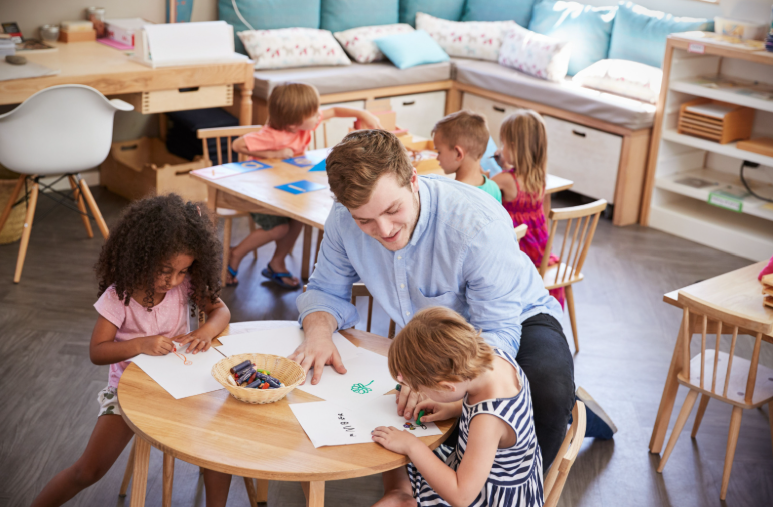
Montessori classrooms are designed with purposeful design that respects the child’s perspective and is welcoming, light-filled, and accessible. Tools for learning are always within easy reach, and open areas allow children to work according to their comfort or group activity. This environment sends an empowering message, trusting children to make choices and chart their learning journey. Educators act as facilitators, fostering collaboration and independence among young learners. Key features include child-sized furniture, cozy reading nooks, low, open shelves displaying carefully curated materials, designated areas for specific activities, and natural lighting and materials, creating a calming and inviting space where children feel at home and safe.
Nurturing Independence with Space and Materials
Self-reliance is crucial for early childhood development, and the physical design of a learning environment can either support or hinder it. Montessori-inspired classrooms focus on daily routines, incorporating real-world tasks to show children that their efforts matter and are respected. This empowerment leads to remarkable outcomes, such as a 28% increase in on-task behavior and willingness to try new challenges among children who participate in meaningful classroom responsibilities. Trust and tools help children develop confidence and problem-solving skills.
Creating Multi-Sensory Learning Opportunities
Montessori classrooms are known for their hands-on exploration, allowing children to absorb knowledge effectively through their senses. These activities, including tracing phonics letters, counting beads, and pouring beans, form strong neural pathways and lasting academic skills. The availability of multi-sensory activities has been linked to improved future language, math, and cooperative social play performance. Sensory tables, math manipulatives, music stations, and art corners provide memorable learning experiences that cater to different learners, laying a solid foundation for school success.
Order and Accessibility in Classroom Setups
Montessori education emphasizes order and predictability in child-centered classrooms. Teachers arrange materials to ensure children find what they need and know where everything belongs, creating a sense of security and eager participation. Open floor plans, logical placement of activities, and visual aids like bins and colored markers reinforce responsibility and order. These predictable and orderly classrooms help children develop routines and habits, leading to academic and social confidence.
Encouraging Movement and Flexibility
Montessori-inspired spaces offer flexibility and freedom of movement, allowing children to choose their preferred seating options. This not only provides comfort but also acknowledges individual learning styles. Physical movement helps children stay alert, manage emotions, and collaborate effectively. Classrooms often incorporate outdoor elements to stimulate gross and fine motor skills, particularly for young learners developing attention span and social awareness.
Adopting Montessori Methods Beyond the Classroom
Montessori classroom principles can be applied at home by creating designated areas for activities, making tools and toys accessible, and encouraging children to participate in household chores. Focusing on quality over quantity, showcasing a small number of rotating activities, offering real choices, and involving children in daily routines can foster independence and confidence. These simple habits contribute to self-sufficiency and strengthen the parent-child bond, promoting independence and confidence in children.