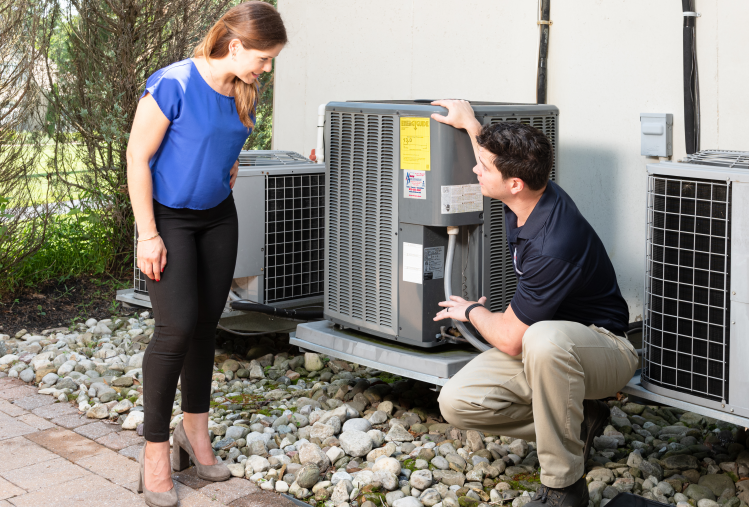
When the summer heat rolls in, a functioning air conditioning system becomes more than just a luxury—it’s a necessity. However, like any appliance, AC units don’t last forever. If your current system is underperforming, constantly needing repairs, or causing your energy bills to spike, it might be time to consider an air conditioning replacement.
Let’s explore when replacement is the right move, the benefits of upgrading, and how to choose the best system for your home.
Signs It’s Time to Replace Your Air Conditioner
Your air conditioner will usually give you warning signs before it fails completely. Here are a few common indicators that replacement might be a smarter option than continuing repairs:
1. Age of the Unit
Most AC units last around 10 to 15 years. If yours is reaching or has surpassed that range, it’s likely operating less efficiently and could fail at any time. Replacing it before it breaks down during peak season is often a wise choice.
2. Frequent Repairs
Needing to call a technician several times a year for issues like refrigerant leaks, strange noises, or airflow problems? Those repair bills add up quickly. At some point, it becomes more economical to invest in a new system.
3. Rising Energy Bills
Older air conditioners are far less efficient than modern models. If your cooling costs are creeping up despite similar usage patterns, your AC’s efficiency may be declining.
4. Uneven Cooling or Poor Performance
If some rooms are too cold while others stay warm, or your home never quite reaches the desired temperature, the system might be too old or improperly sized.
Benefits of Air Conditioning Replacement
Although replacing an AC unit involves an upfront cost, the long-term benefits often outweigh the initial investment:
1. Improved Energy Efficiency
Modern air conditioning systems use advanced technology to cool your home with less energy. Many come with high SEER (Seasonal Energy Efficiency Ratio) ratings, which translate into noticeable savings on your monthly utility bills.
2. Better Indoor Air Quality
Newer systems are better at controlling humidity, filtering out allergens, and maintaining cleaner air. This is especially important for households with allergy sufferers or pets.
3. Smart Features
Many of today’s AC units come with smart thermostats, zoned cooling, and remote controls. You can manage temperatures room-by-room or control the system from your smartphone, giving you more convenience and control.
4. Environmental Benefits
Switching to a more efficient system reduces your carbon footprint. New AC models also use environmentally friendly refrigerants that are less harmful than older ones.
Choosing the Right Air Conditioning System
Replacing your AC isn’t just about picking a newer version of your old system. It’s an opportunity to reassess your home’s cooling needs and choose the best fit.
1. Know Your Options
Some common types of AC systems include:
- Central Air Conditioners – Best for cooling entire homes with ductwork.
- Ductless Mini-Split Systems – Ideal for homes without ductwork or for room-by-room cooling.
- Heat Pumps – Provide both cooling and heating and are energy-efficient in moderate climates.
2. Size Matters
An AC system that’s too small will struggle to cool your space, while one that’s too large will cycle on and off frequently, wasting energy and wearing out faster. A qualified HVAC professional can perform a load calculation to determine the right size for your home.
3. Check Efficiency Ratings
Look for units with ENERGY STAR® certification and a high SEER rating. The higher the SEER, the more energy-efficient the system.
4. Budget and Rebates
While it’s tempting to go for the cheapest option, keep long-term savings in mind. High-efficiency units may qualify for rebates or tax credits, which can offset the upfront cost.
Installation and What to Expect
Professional installation is critical to ensure your new AC performs at its best. An HVAC technician will:
- Remove your old unit
- Inspect and possibly replace ductwork
- Install the new system
- Calibrate thermostats
- Test the system for performance and safety
The installation process usually takes a day or two, depending on your home’s setup and the type of system you choose.
Maintenance After Replacement
Once your new system is installed, maintaining it is key to keeping it running efficiently. Here’s how:
- Change or clean filters regularly
- Schedule annual professional inspections
- Keep the area around the outdoor unit clear
- Monitor for any strange noises or performance dips
Proper maintenance can extend the life of your system, keep energy costs low, and prevent unexpected breakdowns.
Final Thoughts
Air conditioning replacement isn’t just about staying cool—it’s about comfort, efficiency, and peace of mind. Whether you’re replacing a failing unit or upgrading to a more modern system, a new AC can dramatically improve your home’s livability, reduce energy costs, and help the environment.
If you’re unsure where to start, consult a local HVAC expert who can assess your current system and recommend the best options based on your home’s needs and your budget.
Upgrading your air conditioning might feel like a big step, but with the right approach, it’s an investment that pays off for years to come.